© irene waters 2017
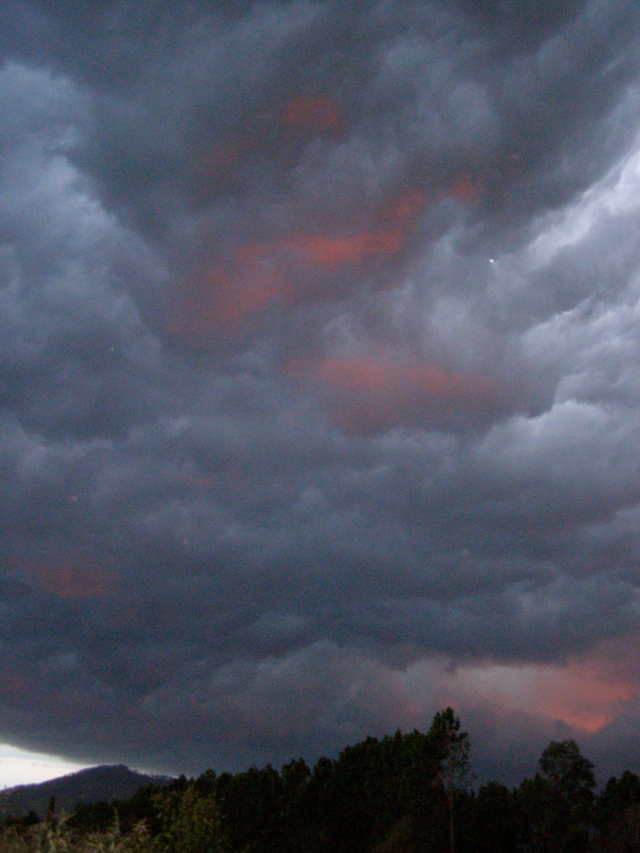
In Queensland and Northern NSW Tropical Cyclone (now ex) Debbie has been wreaking havoc. Starting as a slow moving Category 4 its winds exceeded 200 km/hr and it dumped masses of rain as it crossed from sea to land. Thousands of people at this point are without power and 250 homes totally destroyed with many more suffering wind damage. Slowly the storm, although downgraded, moved down the coast continuing its deluge (one place received 800mm rain in a matter of hours) leading to flooding and still with damaging winds. We copped it Thursday but came out of it well. The streets are full of broken off tree limbs, leaves and rubbish and we lost power for 24 hours. We didn’t get the flooding that others are still experiencing. New Zealand is bracing for Debbie reaching them in a week or so.
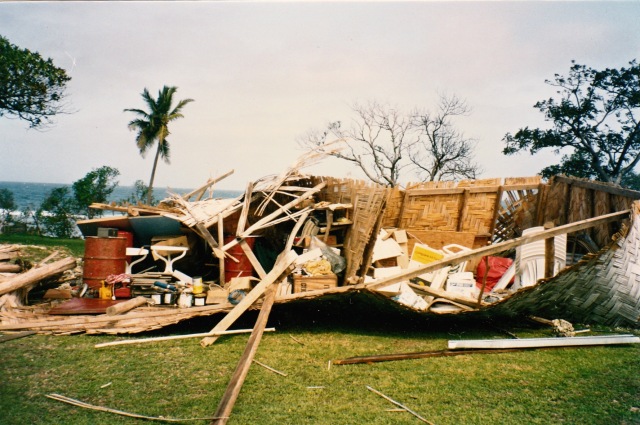
This was not the first cylone that we have experienced. In Vanuatu on the island of Tanna we had several smaller cyclones and one bigger that was also slow moving. You don’t think of cyclones as slow moving but what this means is that they do not leave the area quickly but blow at a rapid rate around the eye. This means that the area they are sitting over suffers for a long period, then just when you think it is gone and all is calm the eye passes by and on the other side of that eerie calm the destructive winds and rain start raging again. I was staggered by the horizontal rain that managed to make its way through the door. Louvres that are the best form of window in a cyclone also allowed the rain to penetrate inside. The house that we built survived but the locally built hut did not.
A storm passed through where I lived in Sydney a day before Operation Dessert Storm was commenced in the Middle East. We lost power for a week and my main memories beside the clean up operations were sitting in the car to hear the news.
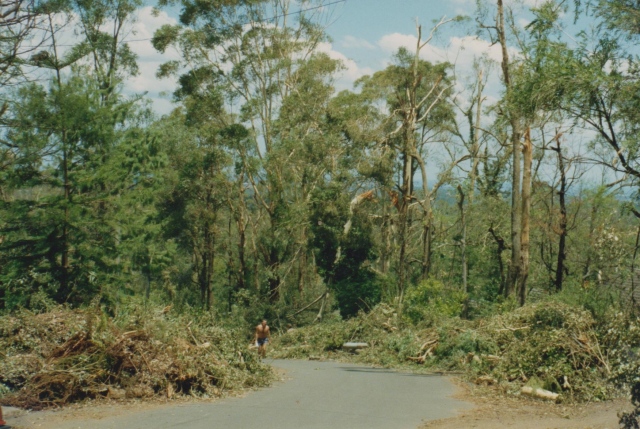
© irene waters 2015
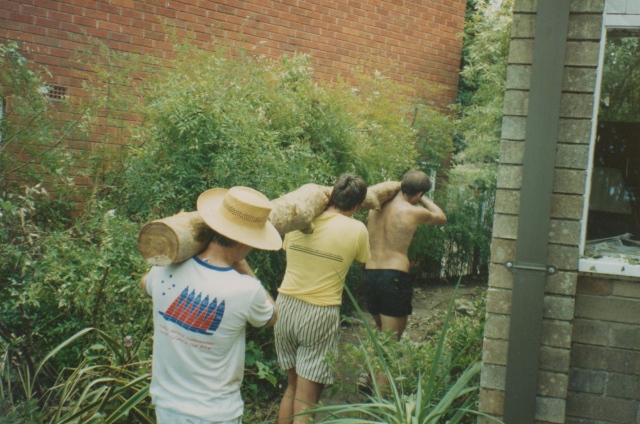
© irene waters 2015
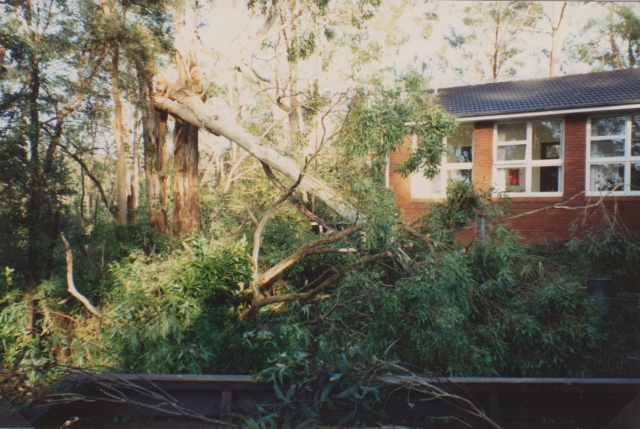
© irene waters 2015
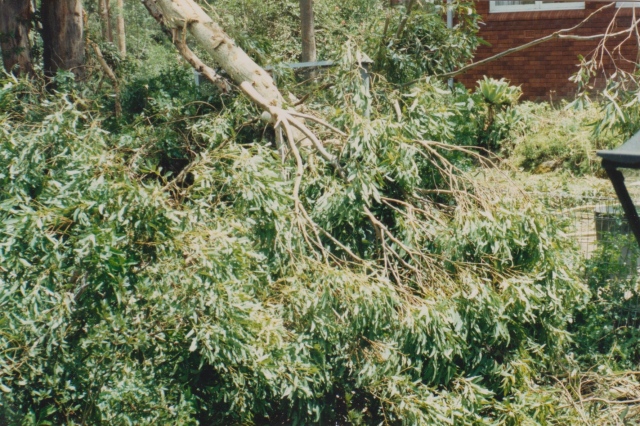
© irene waters 2015
All this has made me wonder when did I first notice the weather? As a Baby Boomer in Rural Australia I remember droughts purely because the river that ran at the bottom of the garden in places dried to puddles. It didn’t impact me greatly although we were warned of electric eels and the dangers of peeing on them. As an adult I think this was probably my Father’s form of joking. Droughts always seemed to be broken by flooding rains (probably the result of cyclones further north although I have no memory of wind as a child). I can remember the river would come up and the old house would have needed to be evacuated. Our new house built on higher ground never did. I can remember wishing that the river would rise just a little more so we would have to leave. Again I had no thought of the impact that flooding caused adults and the damage water does to houses. I saw it as exciting. As for other weather it had little impact on me as a child and even as a young adult. Whether the weather be wet or fine didn’t matter to me until we became farmers. Weather then became all important, a matter of life and death. No longer farmers I still hold the interest I gained from that time and with severe weather events increasing I am sure we will all be impacted more frequently in the future.
Baby Boomer New York
Gen X (Baby Buster) Rural USA
When did the weather become important to you (if it did)?
Have there been any weather events that are unforgettable to you?
I am looking forward to hearing your weather tales either in the comments or in a separate post. For guidelines but all you have to do is advise of your location at the time of the experience (country city or rural) and what generation you belong to.