
© irene waters 2016
© irene waters 2016
© irene waters 2016

© irene waters 2016

© irene waters 2016

© irene waters 2016

© irene waters 2016
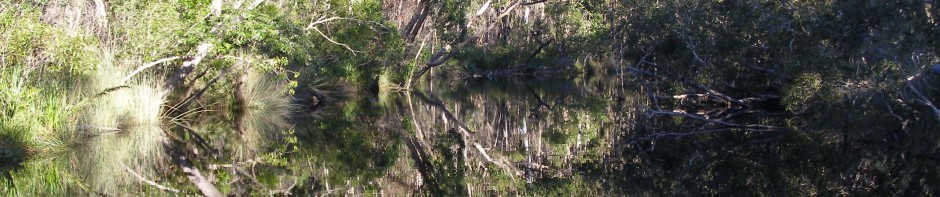
In response to Cee’s Fun Foto Challenge
© irene waters 2016
© irene waters 2016
© irene waters 2016
© irene waters 2016
© irene waters 2016
© irene waters 2016
© irene waters 2016
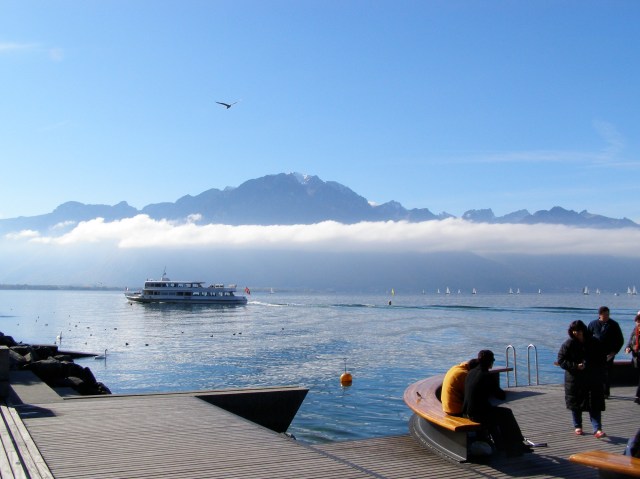
In response to Cee’s Fun Foto Challenge
© irene waters 2016
A blogging pal Lisa Reiter has commenced blogging about memoir on Monday. Uninvited I have decided to join her but Monday is a busy day for me so instead I will do Memoir Monday on Tuesday and perhaps, to be entirely correct, it will be memoir Monday on Tuesdays that suit me. As for you – you can read them anytime you like or not at all.
When I started my research masters I did not come from a literary background. This worked well for me, I think, as those with a literary background have fairly set ideas on what is done. Me, I had no idea about anything – memoir, research, literature. I read but I consumed for pleasure, not with analysis in mind. The closest I’d gone down that path was with the book club we belonged to which forced me to read genres I normally would not touch. So with no knowledge I set out to gain knowledge before I could make knowledge and to do this I went to all disciplines in my quest to examine memoir. My interdisciplinary approach gave me knowledge I could not have gained had I approached it from just one area.
It also made me look at what memoir was and is today and the constituent parts of memoir. This is what I plan to share with you on these Memoir Mondays on Tuesdays. Do you need to know this before writing a memoir – NO you do not. So why bother? Hopefully, like me, you will find some snippets fascinating to ponder further, perhaps give you a greater understanding of yourself , the memoirists and the different purposes for writing memoir. Also it will make you consider who is written about in memoir, truth in memoir and when memoir becomes fiction.
One factor that I do think it is crucial to know in order to write a compelling memoir is what is your purpose for writing the narrative. What is the message you want the reader to take home? Having written the first draft of your memoir if you then examine it from this angle anything that does not further this purpose can usually be considered unnecessary to the narrative and removed from it.
In my first memoir “Nightmare in Paradise” I did this. When I first started writing it was for the purpose of recording the events for my mother. As I widened my proposed audience the purpose for writing also altered. The wider audience would not be interested in minute detail that family and close friends would find interest in and these details were removed in the first edit.
One way of looking at purpose is deciding on the effect the narrative has on the self, the “I” in the narrative.
A bildungsroman is a coming of age narrative where the narrated “I” is seen as it goes from the state of a child into that of an adult. Conversion narratives will see the initial “I” as one character but see it undergo a transformation and become a different “I” character with different values. This originally referred to religious conversions but now also include narratives overcoming addictions. The apology narrative, which is not an apology as we know the word, is used where the initial “I” and the now “I” hold the same viewpoint and the narrator is giving an explanation as to why they did what they did.They are justifying their actions. This type of narrative is often seen in politicians memoirs as they justify and continue to believe that what they did was the right course of action. My first memoir is a testimony narrative as it looks at myself and my relationship with the world in which I found myself. Testimony narratives are recording events and looking at injustices that happened to the narrator. Surviving trauma narratives are often testimony narratives.
In the next memoir post the “I’s” of memoir will be examined in a little more detail.

The agent brought two men,one woman and a dog.”Can you show them around Pippa?” he asked the store’s owner. “You know the business.” Pippa complied showing them the store, the residence and the land that completed the package. The man, John, made her squirm, reminding her of some slimy men she’d met in the city. He expected her to fawn over him. She didn’t need to sell it that badly. Why her when she was paying an agent? Before leaving the dog killed a chicken.
Subsequently they returned and informed her they’d bought a turkey farm. Inwardly she smiled.
In response to Anne’s prompt for Charli’s 99 word flash fiction where she asks:
I’m inviting you to compose a 99-word flash on the theme of showing someone around a property. Who’s showing whom, and how do they feel about it? Is it a country house, a garden shed or something in between? Is it even a building or is it a piece of land or a virtual property like website or blog? Don’t let your imagination be constrained by four walls.
If you’re new here (and if so, you’re most welcome), you might want tocheck out the rules. If you’re a regular, you know the drill, post here by3rd May 2016 to be included in next Wednesday’s compilation.

courtesy State library of Queensland via Wikipedia
Few conclusions can be drawn from last months prompt Crazes due to low response rate. I can only conclude that I must have covered most of them in my own post. It was seen that many crazes traversed the globe but sometimes with a different name. Elastics in Australia was French or Chinese skipping in England. Thanks for the photo memory of this activity from Anne.
Our one male participant recalls conkers and the methods used to enhance the chances of winning. In post war England crazes were predominantly ones requiring little monetary outlay. Hence conkers and games like it. Some of the ditties used to determine who was it were universal across the globe. Hornby train sets were an item to be hankered after – a bit like leggo today.
Without further ado on to this months prompt: Punishment
If you are new to Times Past visit the Times Past Page to see the conditions and the purpose of the challenge. It will also let you know which generation you belong to if you aren’t sure.
As children growing up in our respective generations punishment is meted out when we do something wrong, particularly if we know we are not allowed to do it. Did you grow up with corporal punishment or were you relegated to the naughty stair, to sit isolated in silence? Did you fear your punishment or was it just an annoyance? Were you sent to your room or miss your supper? Did your parents tell you how disappointed they were in you and please don’t do it again.Who meted out the punishment. If you feel comfortable tell us about how you were reprimanded. My guess is we will have clear cut generational differences with this one. Post your response by 31st May to be included in round-up.
Baby Boomers
Australia Rural
I don’t think I was a bad child however I feel that I was a better child because I did not want to incur the punishment we received for the times we were really bad. The wooden spoon. At school it was the cane. This I received only once in infants school. My crime – I have no memory of it at all. The punishment remains vivid in my memory. There were three of us sent to the principal’s office. I was the youngest, the other two being a grade higher than me. That worked in my favour as I only received one lash. The other two girls had to bend over, lift their skirt and they received their two cane falls on their bottoms. For some reason I received mine across the palm of my hand. It stung like billy-o and brought the tears to my eyes.
I was probably eight when I learnt an important lesson. I had tied my brother to a crumbling chimney with a rope we’d found in the garage. I’d used a multitude of knots and I told him he was Houdini. In the time he could extricate himself I’d have hidden and he’d have to find me. Whilst I was in hiding my Mother found my brother still tied to the chimney and in retrospect she was probably freaked out that my brother could have been hit by crumbling bricks and injured. We had been told not to play near it. I knew I was in trouble so whilst my brother was being untied by my mother I raced into the house and collected everything I would need when I left home. I was going to run away to avoid punishment. I took my school globite case, my toothbrush and toothpaste and my hairbrush and my favourite doll and off I set. I didn’t get that far- several blocks away when I was found. My mother was even angrier and punishment did not wait until I got home. Instead of the wooden spoon my hairbrush was used. I learnt at that point – do not leave home with any implement which can be used against you.
Australia City
U.K. City
http://annegoodwin.weebly.com/annecdotal/the-wacky-man-by-lyn-g-farrell-a-rant-about-punishment
U.S.A. City
U.K. Rural

©irene waters 2016

© irene waters 2016
© irene waters 2016

© irene waters 2016
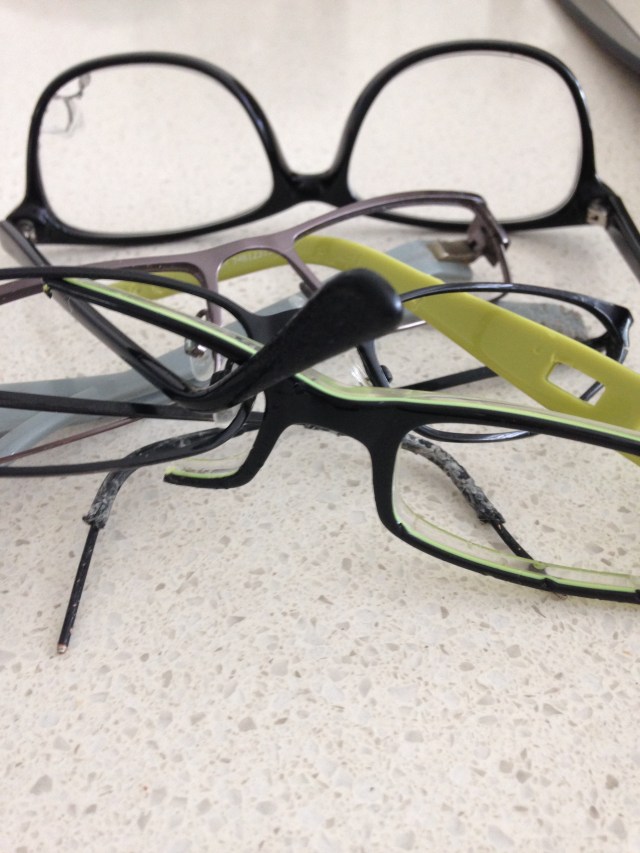
Through the drapery
Eyes incapable of sight
Need no specs – luckily.
In response to Cee’s Odd Ball Photo Challenge

© irene waters 2016


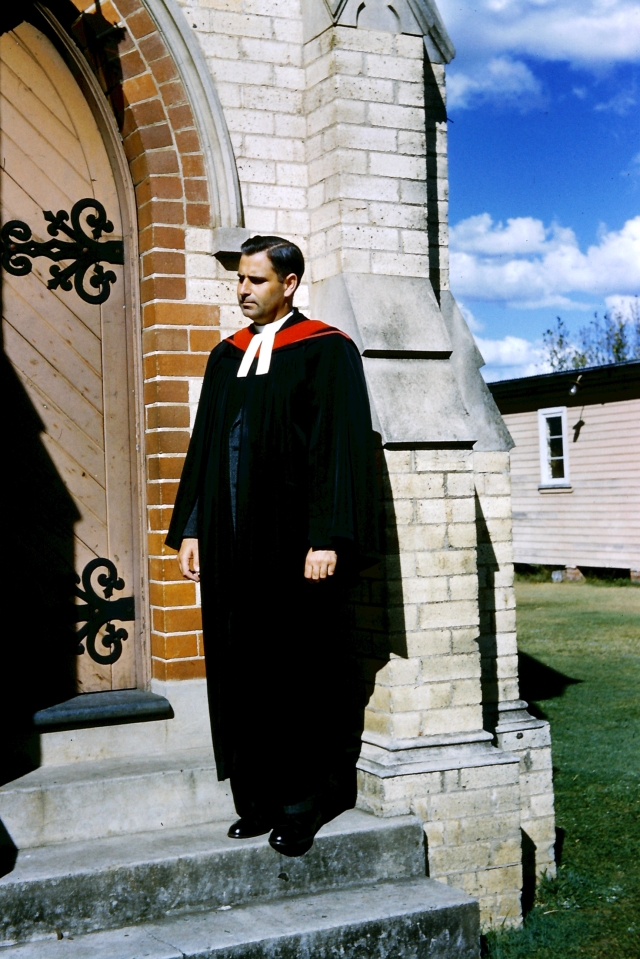
My Dad is a person I have admired from before the time I first knew him. My Dad had a wonderful sense of humour. His childhood and university days were full of harmless pranks and the nicest sound I can remember is my Dad reading or listening to the radio when something would tickle his sense of humour making him laugh out loud, infecting anyone within hearing.
© irene waters 2016
My Dad had a strong faith but this did not stop him laughing at jokes. He taught me that if you believe in something a little ridicule will not rock that belief, if it does then you need to re-examine yourself. He also taught me that in life it is essential to be able to laugh at yourself. My Dad gave us the foundations for living our life honestly, cleanly, with compassion for all of our fellow human beings no matter what the race or creed may be. He gave us a foundation in Christianity and left it up to us to make our own choice, with no rancour when we both eventually chose to go our own way.
© irene waters 2016
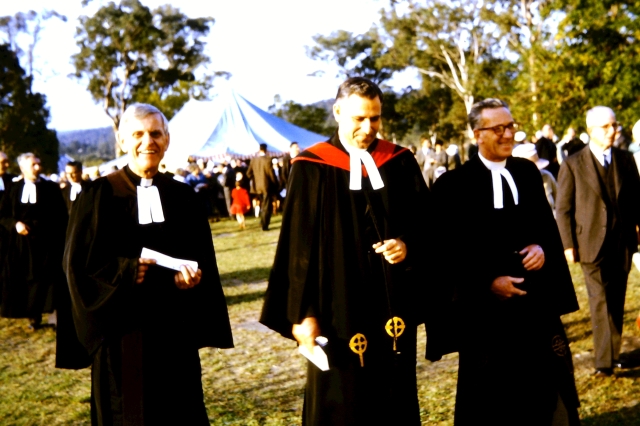
He was well respected within the church, ending his time as a Presbyterian in the role of Clerk of Assembly and standing tall amongst those that did not want to go with the uniting of the Prebyterian, Methodist and Congregational churches.
© irene waters 2016
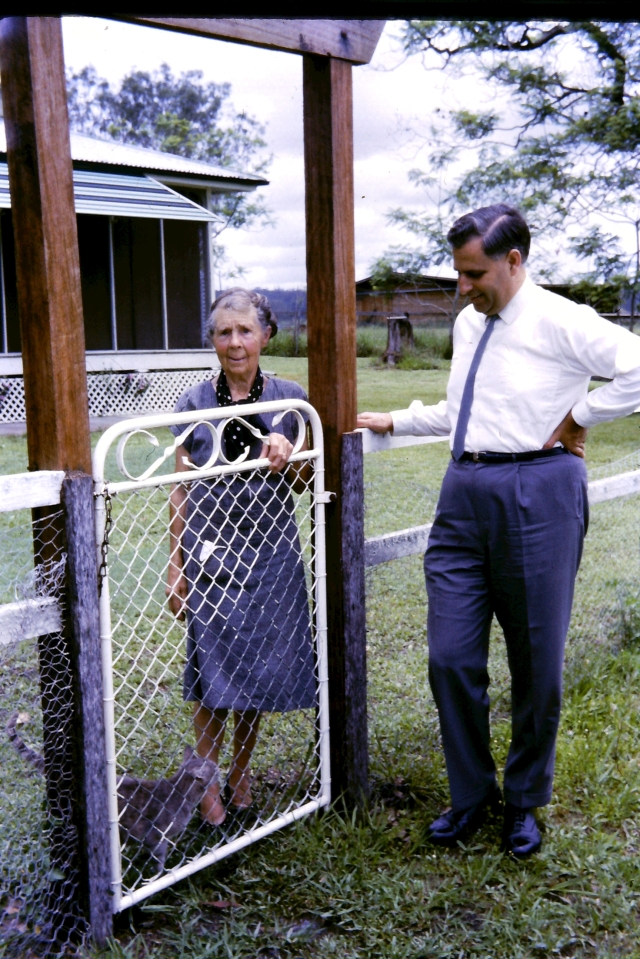
He was loved by his parishioners – both the elderly
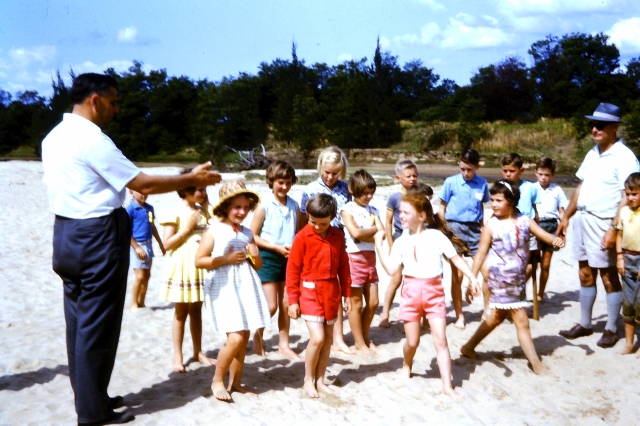
© irene waters 2016
and the children.
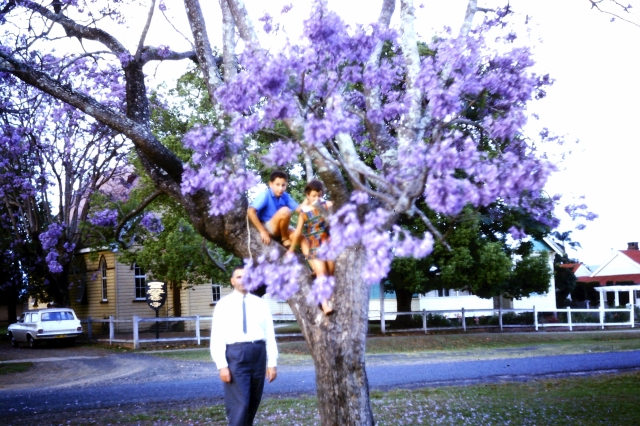
© irene waters 2016
But to me he was my Dad. Helping me out of the trees I climbed and then became afraid to get down.
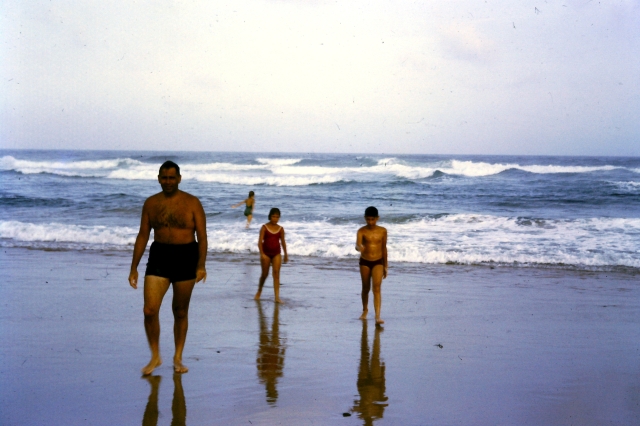
© irene waters 2016
Teaching us to swim and surf.
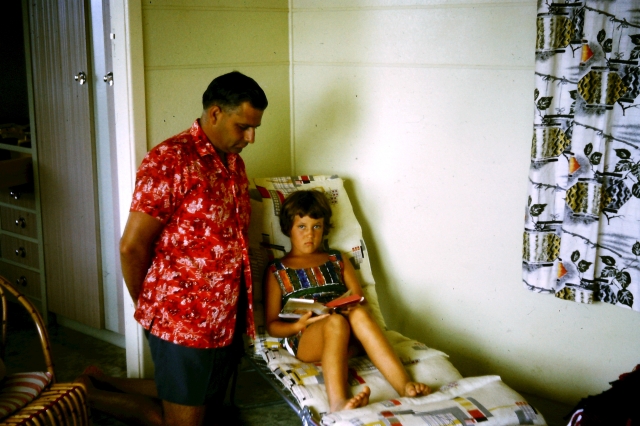
© irene waters 2016
Loving and caring even when I was grumpy.
© irene waters 2016
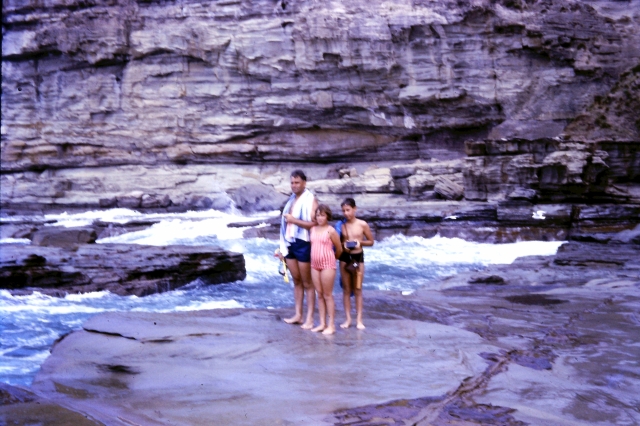
Exploring rock pools
© irene waters 2016
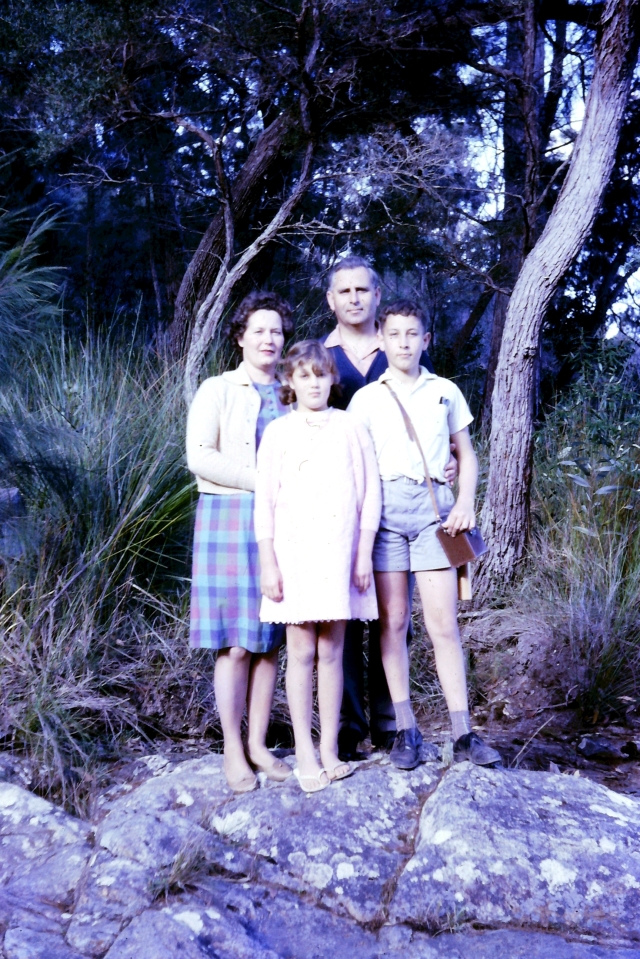
Bushwalking
© irene waters 2016
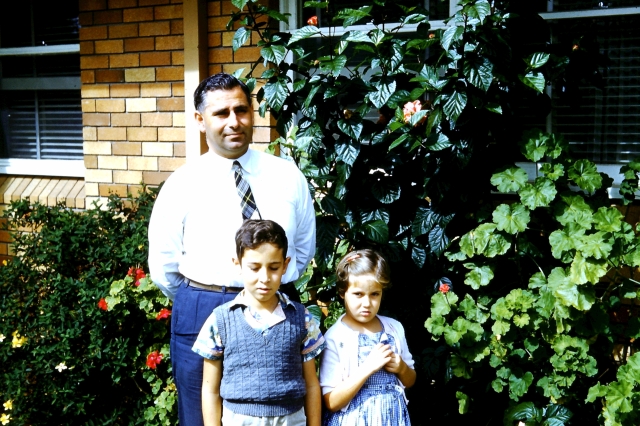
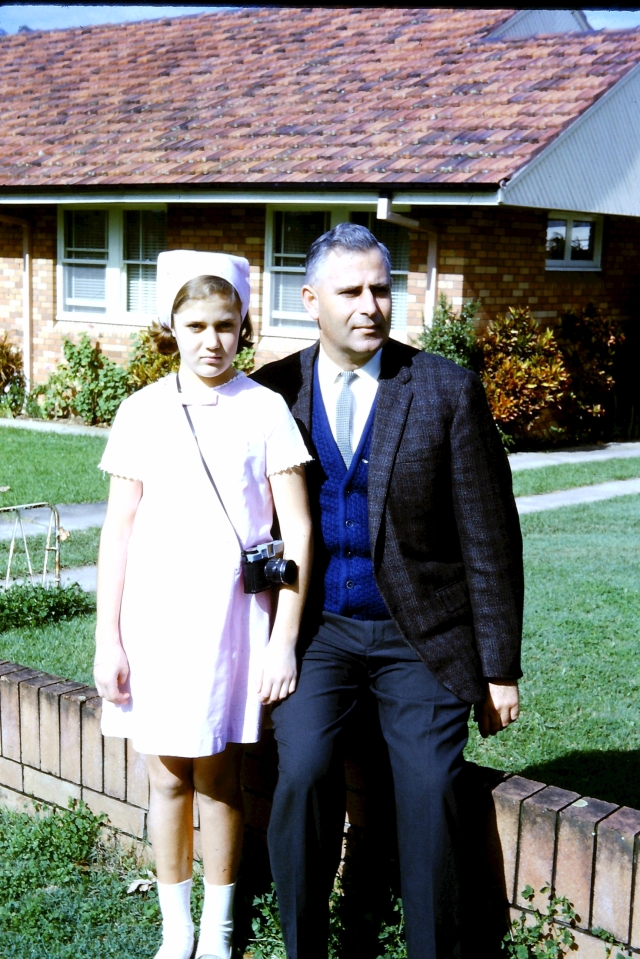
Always there
© irene waters 2016
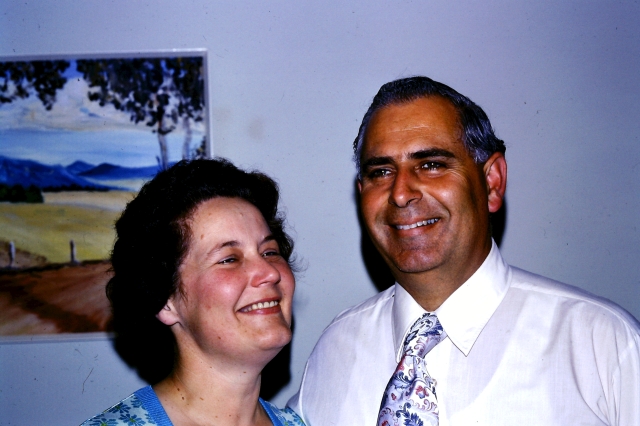
© irene waters 2016
With my Mum providing a loving home (unappreciated at the time)
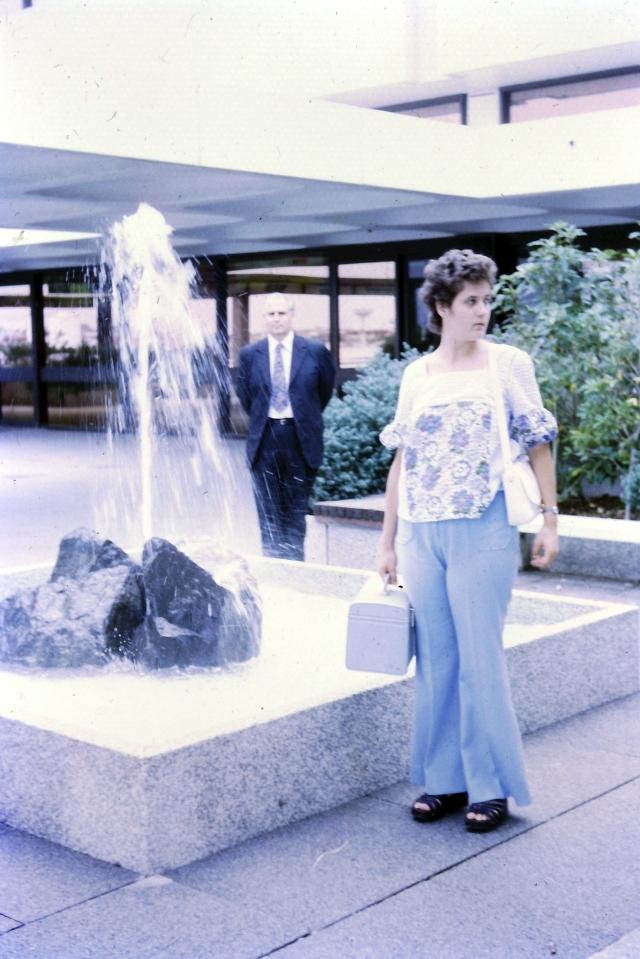
© irene waters 2016
Always in the background
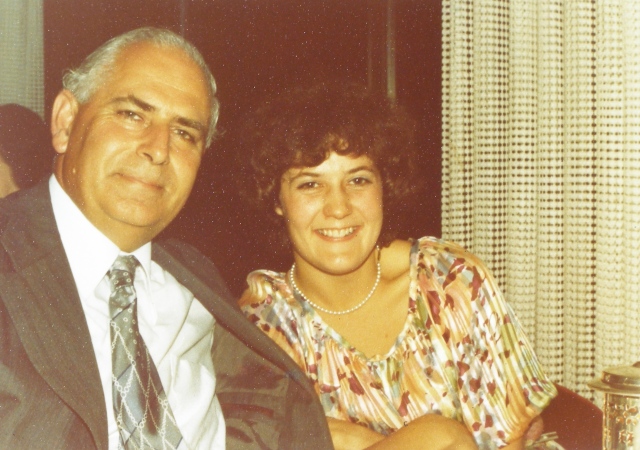
© irene waters 2016
and in the foreground
© irene waters 2016
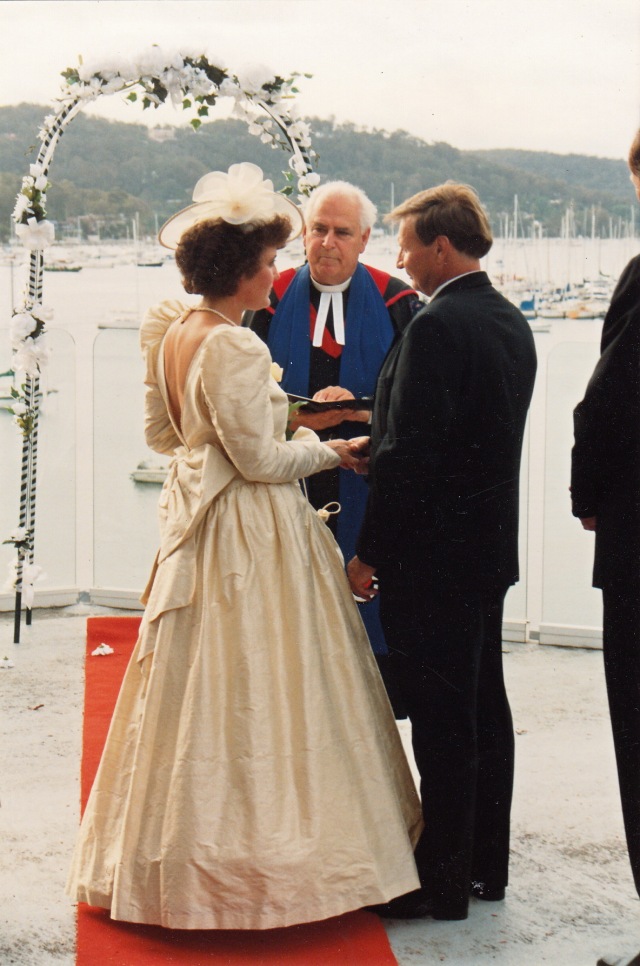
And it was so special that he performed our marriage ceremony.
We were living in Vanuatu when he died. Although he has been gone over twenty years I still feel his presence within me. Love you Dad.
In response to Weekly Photo Challenge
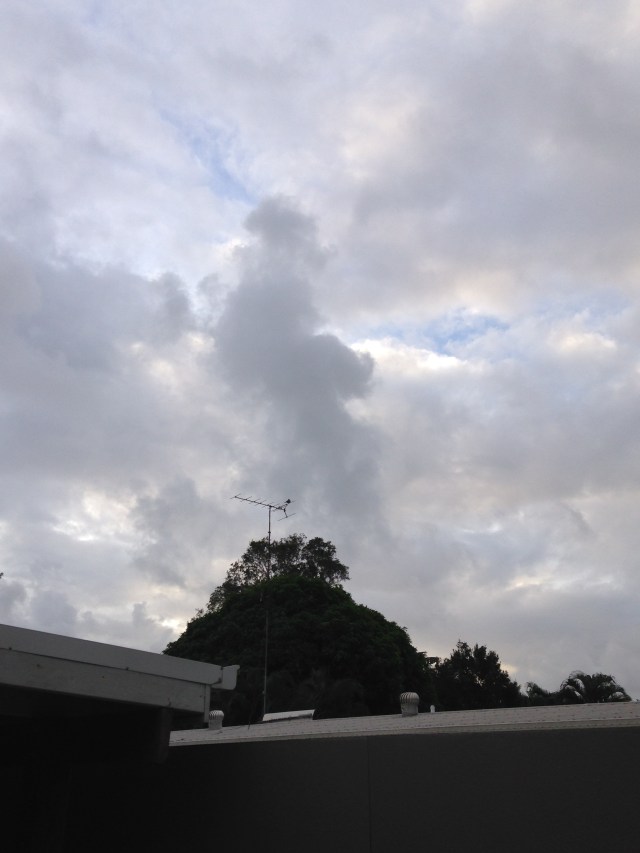
© irene waters 2016
In response to Skywatch Friday

© irene waters 2016

© irene waters 2016

© irene waters 2016

© irene waters 2016

© irene waters 2016

© irene waters 2016

© irene waters 2016
Green upright stamen
yellows with age amidst green
Fire engine red – beware.


 | Big Mouse on Layers |
 | Irene Waters 19 Writ… on Radio Quiz Kid – My… |
 | Kim on Radio Quiz Kid – My… |
 | Friday-Flashback-Pre… on Cee’s Fun Foto Challenge:… |
 | THURSDAY’S SPE… on Over: Thursday’s Special |










SHORTS, NOVELS, AND OTHER THINGS
Traveling Fashion Designers 🌼
My experience of breast cancer diagnosis and playing the shit cancer gameshow
USA Today Bestselling Author
Daily tips for success, business, lifestyles, self-esteem,...
Having fun blogging with friends
A Galaxy of Thoughts and Creativity
Tools, Dials & unexpected Levers
Writing, Publishing, and Marketing Ideas
Writing Fiction and Running Miles! That goes together, right?
Short Stories and Poems - Mostly dark ones!
stories, photographs, adventures...the next chapter
Watch Your Thoughts; They Become Words
Connecting Authors and Readers
Author of The Sound of Water and other books
poetry, prose n pics
Daily Living in the Heart of Dixie
When you choose an alternative lifestyle with no idea what you're doing and make it up as you go.

