© irene waters 2017
© irene waters 2017
© irene waters 2017
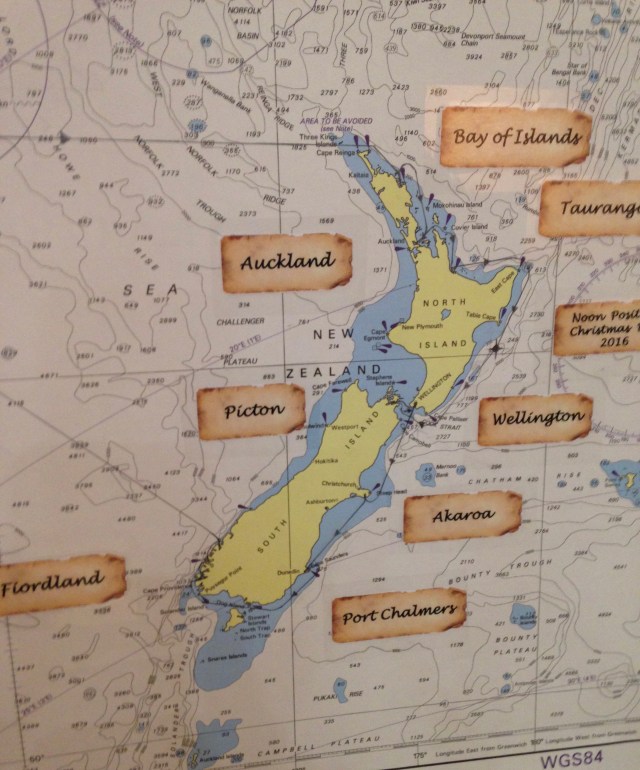
Our cruise followed the New Zealand coast line (in international waters so that gambling and drinking could be carried out on ship without penalty) with our first port of call being the Bay of Islands.

© irene waters 2017
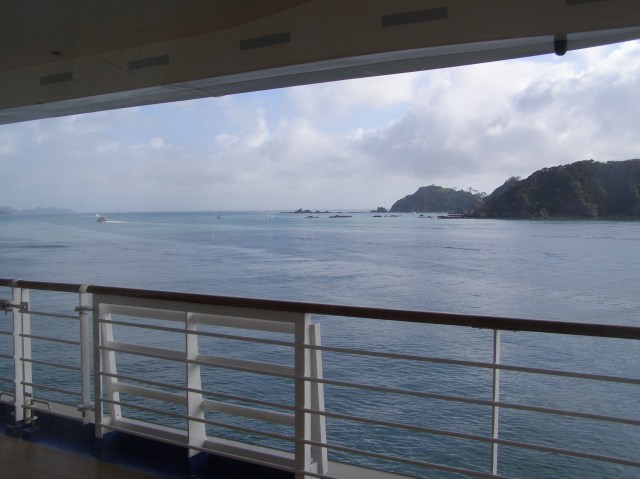
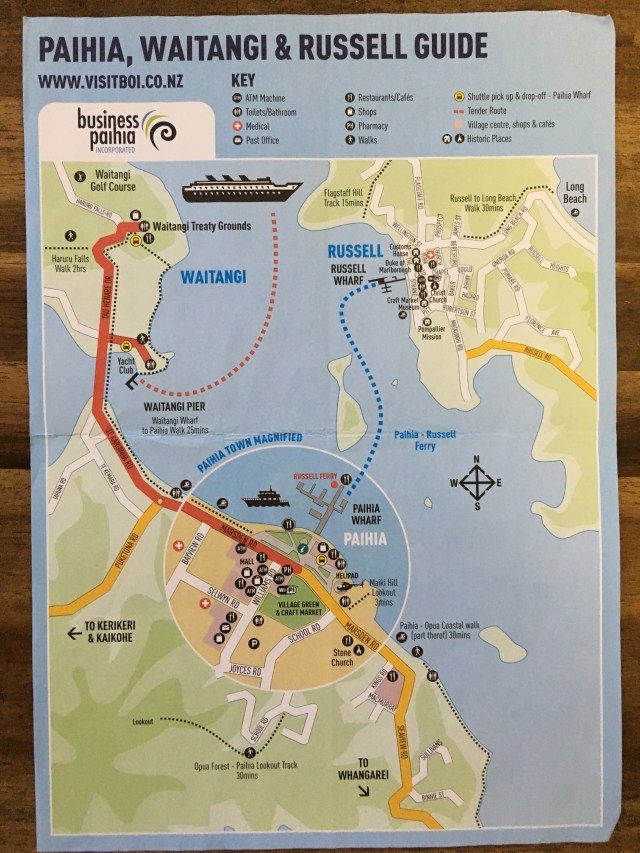
We woke up as we cruised into the bay that has 144 islands and is classified as a marine park. Prior to embarking we had investigated the shore excursions offered for an additional price by the shipping company. To us, they were prohibitively expensive (we both have Scottish ancestory) and we opted to do our own thing. We looked at what was on offer and then looked to see the availability of it via land based companies. We researched the ports and what we might do. We only booked one tour this way on the railway at Dunedin. I’m glad we did as those that didn’t, and also bypassed the ships tours, missed out. We had decided for the Bay of Islands we would be sick of being on the water and opted to walk around the town of Paihia and catch a ferry to Russell and possibly (which we did not have time for) a trip to Waitangi where the treaty that recognised Maori land rights was signed in 1840.
© irene waters 2017
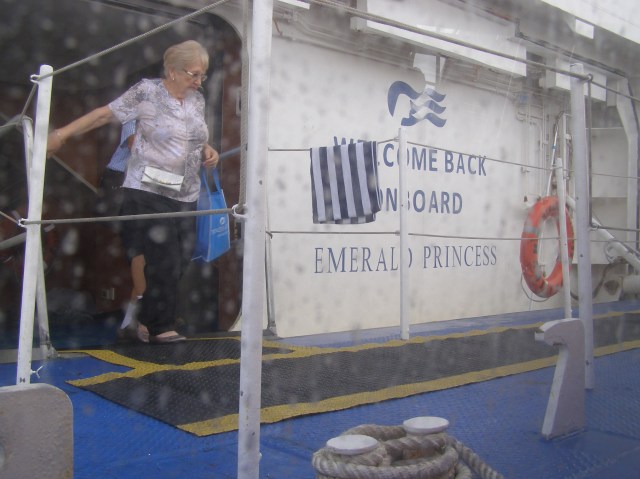
© irene waters 2017
There was no port here to disembark via and we assembled in the dining room where we were given a number. We waited until it was called and we were taken down into the bowels of the ship (deck 4) where we were handed into a tender for the trip to the town.
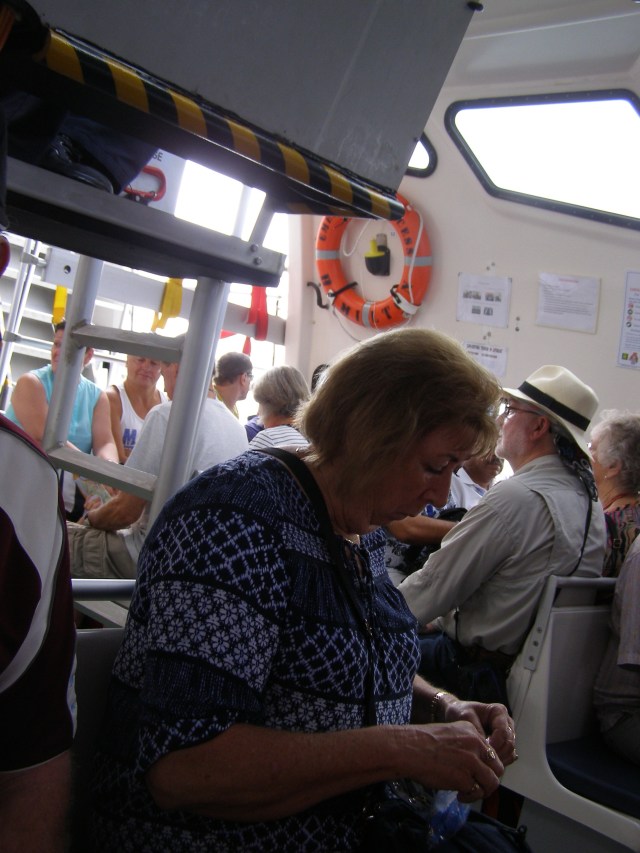
© irene waters 2017
We were crammed in like sardines with some sitting on the roof outside in the elements.
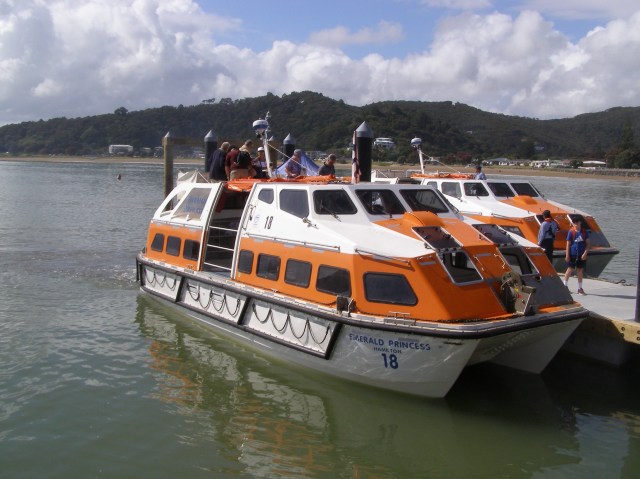
© irene waters 2017
On disembarking, a bus, provided free of charge by the visitor information centre took us into the town a short distance away.
© irene waters 2017
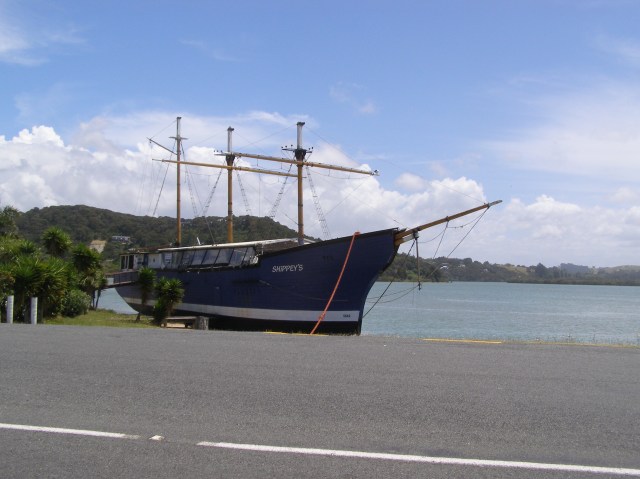
On the way we passed this boat that had seen a chequered history. In the early days it was a fishing boat and then a trader. The chap who owned her didn’t heed a warning that the bridge that was nearing completion would be too low for her to travel under. The bridge builders weren’t waiting and the boat found itself stranded on the wrong side of the bridge and there it stays. It has since been a restaurant and other activities catering for the tourists.
© irene waters 2017
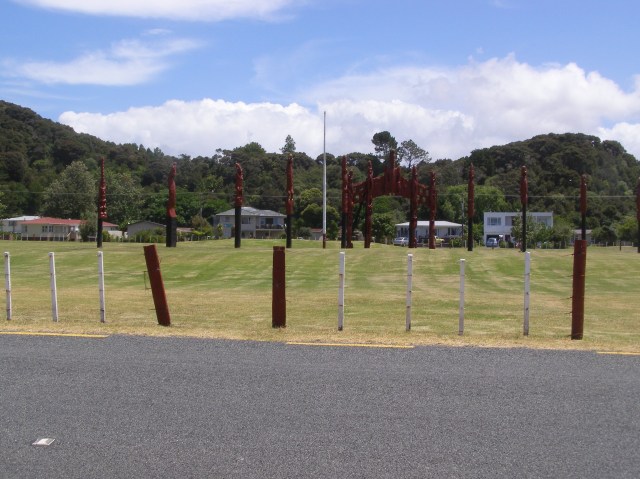
We also passed an area which we were told represented some of the 45 chiefs that signed the treaty of Waitangi with representatives of Queen Victoria. The town of Paihia was settled by missionaries in the 182os and today is the jumping off point for water activities at one of its three beaches or by boat to the various scenic places, such as the hole in the rock which we didn’t visit. Of course it had many coffee shops and eateries. We opted to catch a ferry across the bay to Russell which had grown as a holiday destination for sailors off the trading vessells. It had a reputation for lawlessness and loose women. A bit like New Zealand’s version of the wild west. Now it is a beautiful historic town. It became well known in the 1920’s ask big game fisherman and writer Zane Grey published it as “The Angler’s El Dorado.”
© irene waters 2017
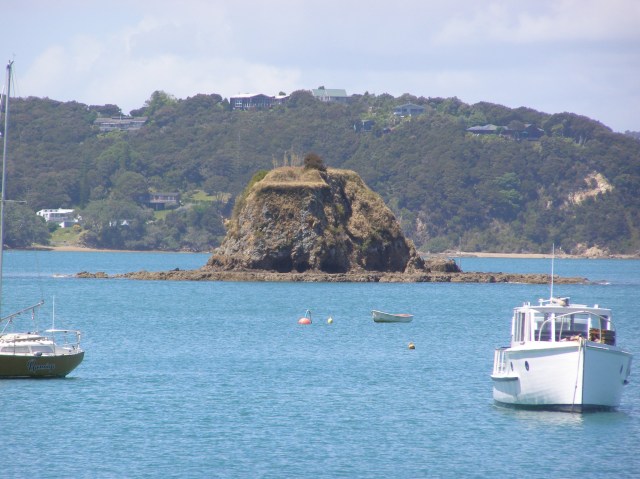
On the way we saw lots of little islands

© irene waters 2017
and wondered if these had been counted in the 144.
© irene waters 2017
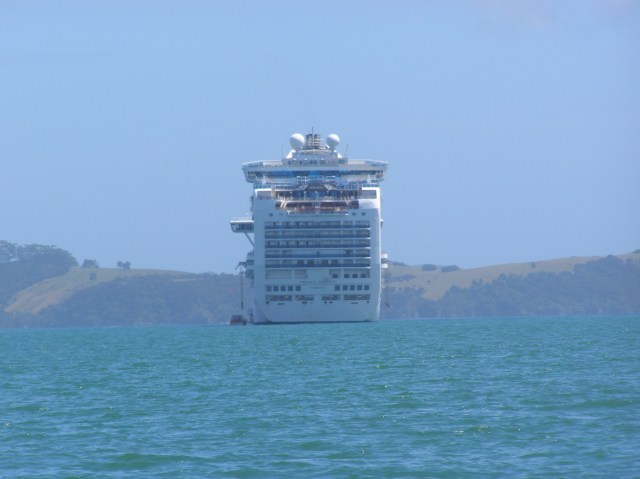
We also had a good view of the stern of the ship.
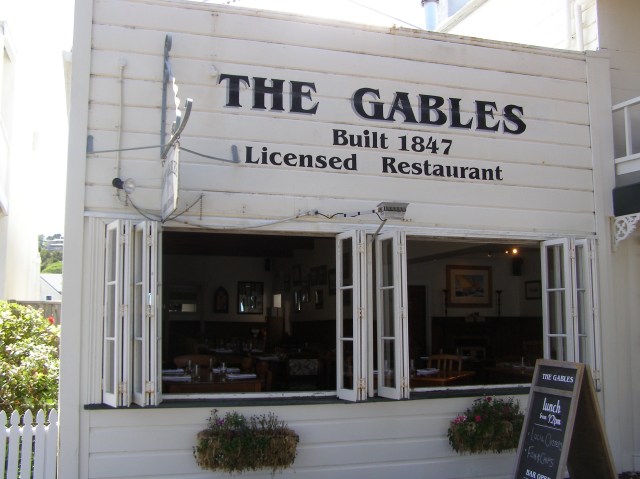
© irene waters 2017
We wandered the streets enjoying the old buildings.
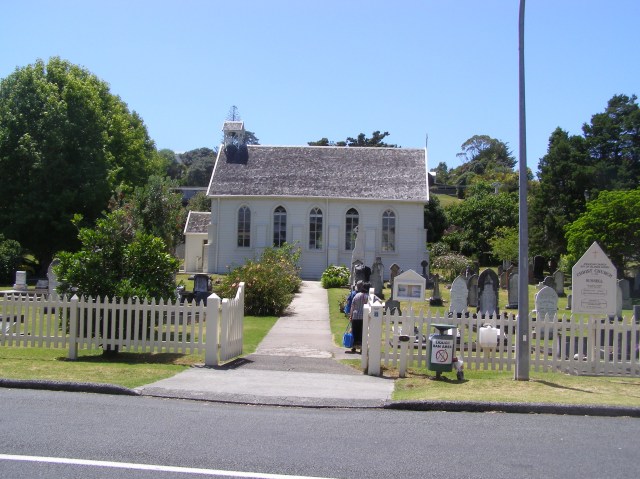
© irene waters 2017
Old church yards are also a place that tells you much when looking at the headstones. There were many graves of maori chiefs and their wives in this cemetery.
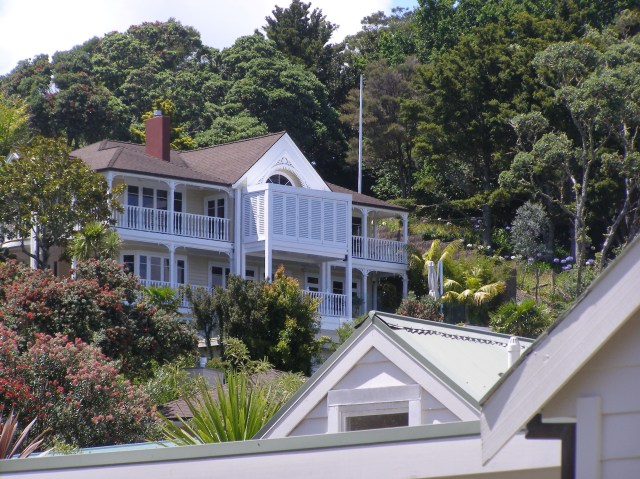
© irene waters 2017
Some of the buildings were grand.
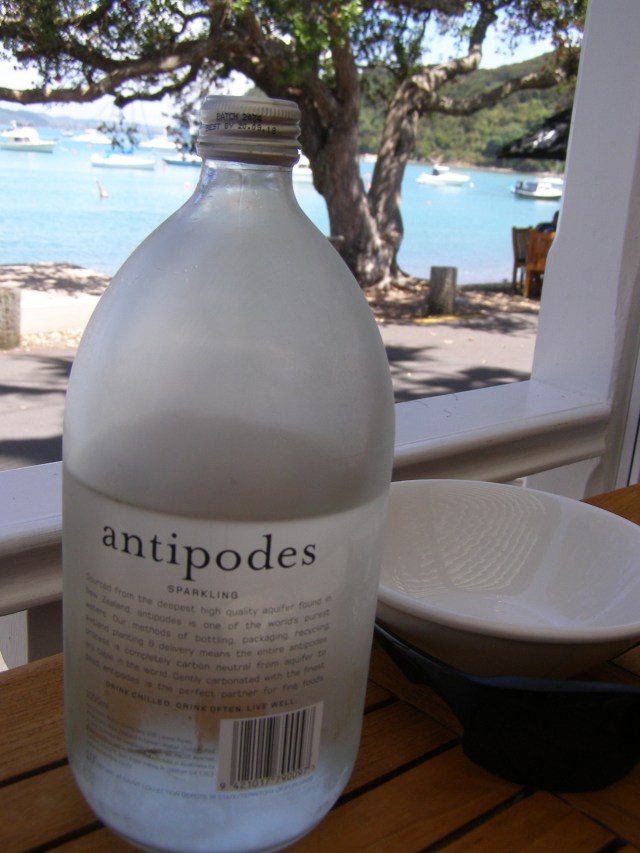
© irene waters 2017
Some invited relaxing and soaking in the view. We had a seafood chowder which was yummy before returning to Paihia where we walked back to the tenders along the beach rather than returning via the bus.

© irene waters 2017
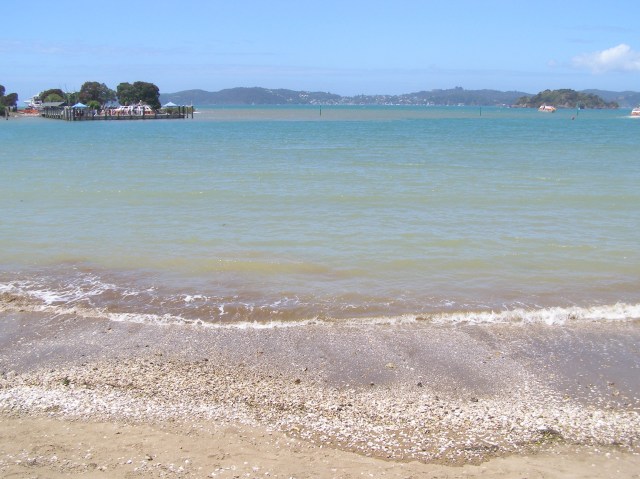
© irene waters 2017
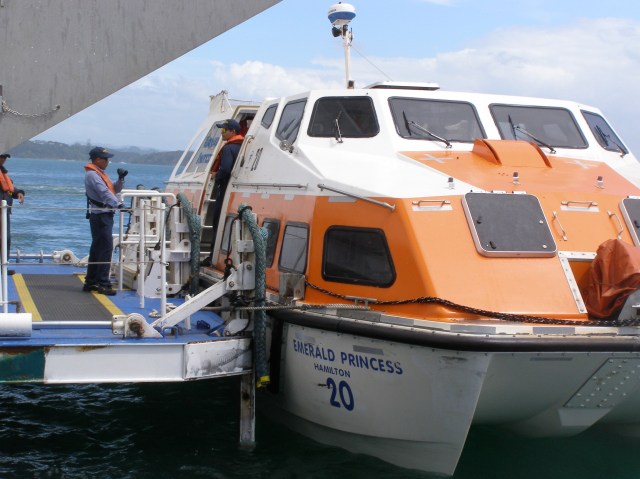
© irene waters 2017
It was getting on to three (deadline 4pm) and the queues of those returning were long. Somehow, it didn’t take us long before we we were on the tender
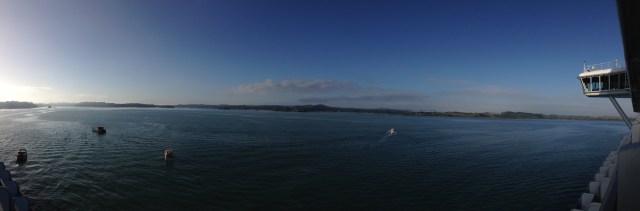
© irene waters 2017
and back on board for a scenic departure from the Bay of Islands.
© irene waters 2017

courtesy kobo
Following on from The Sitters by Alex Miller that we looked at last week we look at another book on art and creativity.
Although Heather Rose is an Australian author I am not including her in my review of Australian literature as her narrative is not about Australian life but rather that of art, life and love set at the MOMA in New York. The subject of this book is Marina Abramovic’s performance art. This Yugoslavian artist is particularly interested in the relationship between the viewer and the art(ist). Bodily mutilation, nudity and live performances to shock is a form of art that I have never understood but this novel took me well on the road to appreciating it.
Marina is performing her seventy-five days of ‘the Artist is present” at the New York Gallery where a member of the public sits opposite her looking into her eyes. Both sit perfectly still in silence. Marina’s life is true to her history and her art exhibitions that she had previously performed. The reader experiences the exhibition through the thoughts and feelings of those in attendance as they reflect on love and life, art and creativity. One of the three main characters is Arky Levin, an ageing composer who is a member of the viewing public. He is struggling with the court order that is preventing him from visiting his terminally ill wife who organised to be cared for in a nursing home. The other two main characters that are members of the audience are the recently bereaved art teacher Jane and Brittika, a PhD student who is writing her thesis on the artist.
These three, along with an omnipotent narrator and the ghost of Marina’s mother watch the performance and the effect that sitting has on the person whilst reflecting on their own lives and art.
“You want to be an artist,’ he said, ‘then it takes everything. Everything. You do the other . You get a job. You become a wife. A mother. You contribute to the machine. The machine is always seeking volunteers. But art is not a machine. It does not ask. You ask of it, in your unworthy way, if you might add a little thread…….Art will wake you up. Art will break your heart. There will be glorious days. If you want eternity, you must be fearless.’
This was a beautiful book to read, with real characters – both fictional and nonfictional exploring creativity, and what it is to live. Another book I would highly recommend but I am learning that these books may not be as easy to source as it would seem although it is available from Amazon as a kindle edition.
“The Spaniards rejected us.”
“Bastards won’t let us put out deck chairs!”
“The Aussies want us. Only cost us ten pounds.”
They arranged migration interviews, arriving late.
“You boys better make it to the ship on time,” the embassy official warned.
Their mother’s packed clean underwear, hankies and saucepans; crying as they waved goodbye.
Within days they hated ship life as they rounded Cape Horn and faced the days at sea. Finally docking in Freemantle they hit the pub, horrified by the white walls, straw strewn floor and beer served from a hose.
“Perhaps we might need those saucepans.”
In response to Charli’s prompt where she asks:
February 23, 2017 prompt: In 99 words (no more, no less) write a migration story. It can imagine the dusty or arctic trails of the frontiers past or look to the travel across the galaxy. What issue about modern migration bans might influence an artistic expression in a flash? Migrate where the prompt leads you.
Respond by February 28, 2017 to be included in the compilation (published March 1). Rules are here. All writers are welcome!

© irene waters 2017
 Welcome and come on it. Everyone else did today as the real estate agent had an open house of the place we are renting in order to get new tenants when we move out. Yes, it is really happening. The move has been scheduled for the 14th of March, still a few weeks away but it will go very quickly.
If we were having coffee I’d tell you that I have almost finished my final edit on my revisions and I’m happy with them. That doesn’t mean that the examiners will be but you can only do your best. I will be finished these by the end of February and resubmit. Then I can concentrate on the upcoming move and start packing boxes ……again.
© irene waters 2017
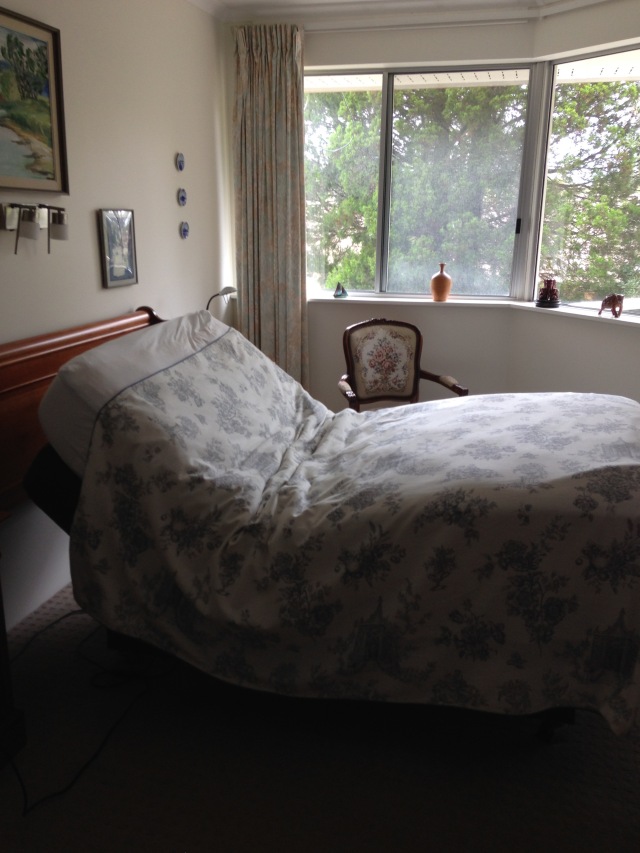
If we were having coffee I’d tell you about the drama of my mother’s bed. She has recently fallen out of bed a couple of times and decided that she wanted rails to prevent this from happening. She is embarrassed that the ambulance has to be called to get her up off the floor and she is fearful that on a future fall she could hit her head or break a bone. A real problem for someone of her age. A new bed was obtained and we have been trying to sell the old one for a month or so. Roger and I ummed and arhed deciding if we would take it, put a long single next to it and have a super size single. Then Mum had her first customer. We had to make a decision.We decided that we would take it. The bed salesman was excited. I was excited. We lay on the various beds and chose mattress firmness and colour. I was in a rush. I had to be out. “We’ll be back tomorrow to order” I said. The next morning we went to a linen shop en route to the bed shop, just to check we could get a sheet that would fit the almost 2 metre bed we would have. Our excitement waned— a king size and super king were the same width, all that differed was the amount allowed for mattress height. I can make it as two singles, I’ll get a suspender belt for it…I went through all the options. Eventually Roger persuaded me it was not worth the trouble and Mum luckily managed to sell it to the woman that had expressed interest. If we were having coffee and Roger was not near I would probably admit it was a good thing.
If we were having coffee I’d tell you that I am still reading The Museum of Modern Love but will hopefully be finished it tomorrow to do a book review for Monday. In my cruising series we will be visiting The Bay of Islands, our first port of call. Friday should see a new Times Past prompt – if you have any wheels memories there is still time to get them in.
Now I’d like to hear how your week has been. Our weather has turned and I feel autumn is around the corner despite still having hot days. We desperately need rain. What is happening with your weather?
Thank you for dropping in and thank you also to Nerd in the Brain for hosting our coffee weekend. Other places you can visit for coffee go here.

© irene waters 2017
There are perfect pairings visible in the real world, coffee and cake, soul mates, perfume and body lotion and occasionally you come across a scene that seems to be perfectly paired.

© irene waters 2017
Back in time these pairing seem to occur more frequently – where would Roy Rogers have been without his trusty steed, Trigger.

© irene waters 2017
This pairing is doing its best to travel backward in time. Swashbuckling railway workers – the likes of these I’ve not seen in my journeys by rail.

© irene waters 2017
This pairing are also going back in time to when knights fought with swords and protected the gates to the city.
© irene waters 2017
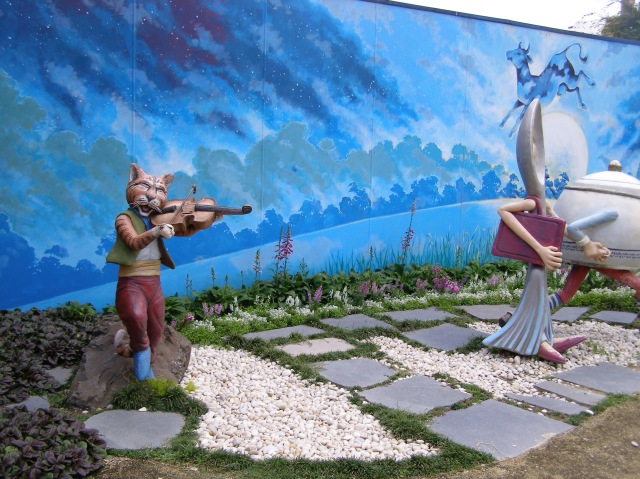
But fiction have the most pairings of all – the cat and the fiddle, the cup and spoon

© irene waters 2017
Jack and Jill

© irene waters 2017
and who could forget Tweedle Dee and Tweedle Dum.
In response to weekly photo challenge
© irene waters 2017
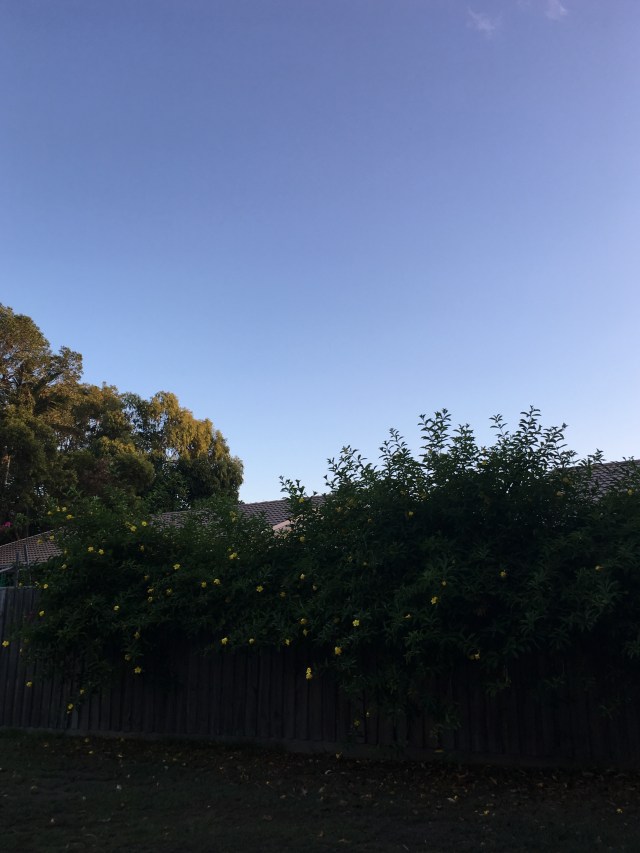
In response to Skywatch Friday


 | Big Mouse on Layers |
 | Irene Waters 19 Writ… on Radio Quiz Kid – My… |
 | Kim on Radio Quiz Kid – My… |
 | Friday-Flashback-Pre… on Cee’s Fun Foto Challenge:… |
 | THURSDAY’S SPE… on Over: Thursday’s Special |










SHORTS, NOVELS, AND OTHER THINGS
Traveling Fashion Designers 🌼
My experience of breast cancer diagnosis and playing the shit cancer gameshow
USA Today Bestselling Author
Daily tips for success, business, lifestyles, self-esteem,...
Having fun blogging with friends
A Galaxy of Thoughts and Creativity
Tools, Dials & unexpected Levers
Writing, Publishing, and Marketing Ideas
Writing Fiction and Running Miles! That goes together, right?
Short Stories and Poems - Mostly dark ones!
stories, photographs, adventures...the next chapter
Watch Your Thoughts; They Become Words
Connecting Authors and Readers
Author of The Sound of Water and other books
poetry, prose n pics
Daily Living in the Heart of Dixie
When you choose an alternative lifestyle with no idea what you're doing and make it up as you go.