© irene waters 2014
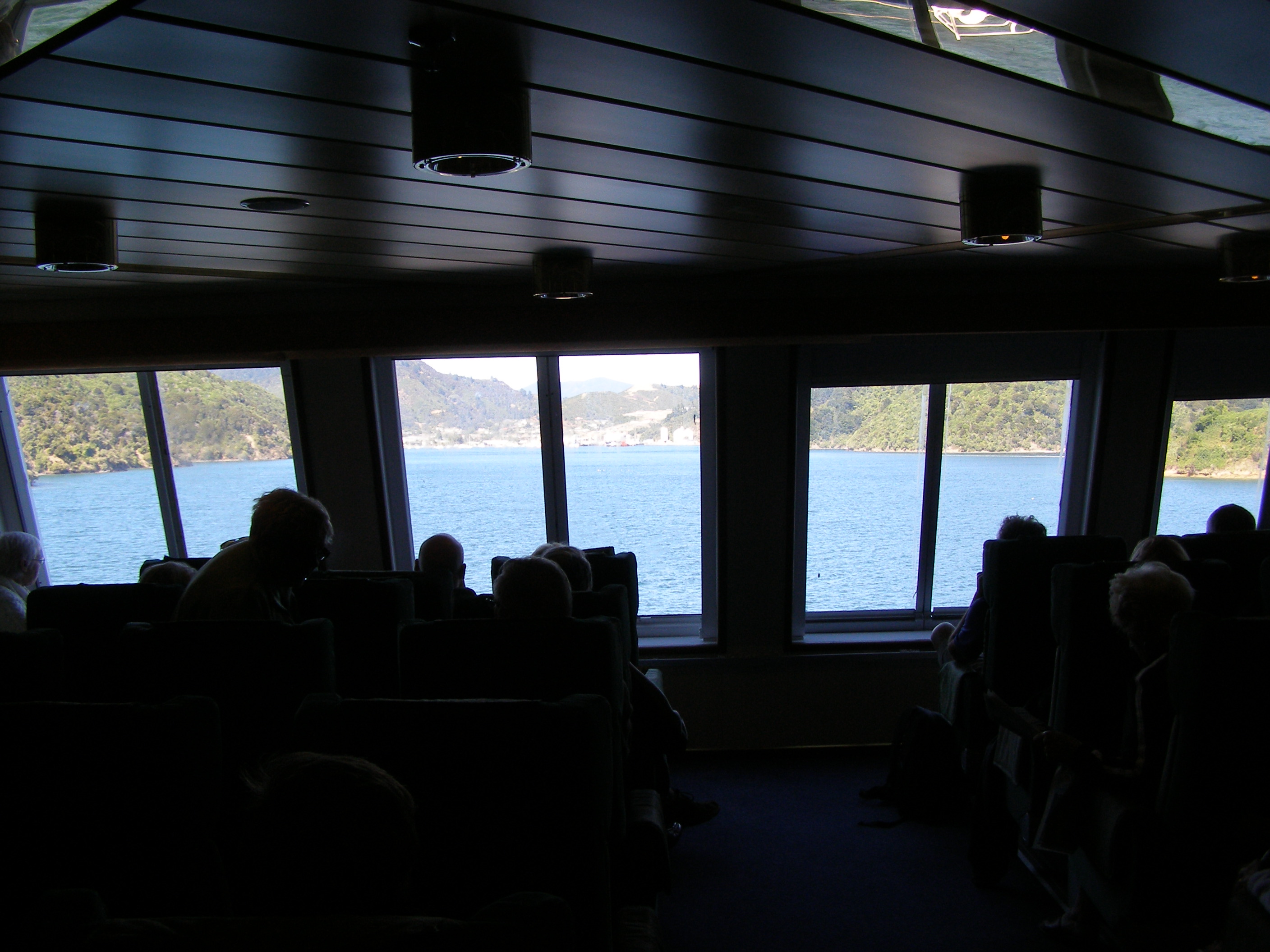
Having crossed the Cook Strait from Wellington we entered the Marlborough Sounds the name for more than 4,000 kms of sounds (another name for fijords), islands and peninsulas. We landed at Picton located at the end of the Queen Charlotte Sound. We were collected by our friends for the journey to Havelock, the main town of the Pelorus Sounds. From there we boarded the trusty Penguin for the one and a half hour boat voyage deep into the flooded valley system to the isolated bay where they lived permanently- a lifestyle accessible only by boat.
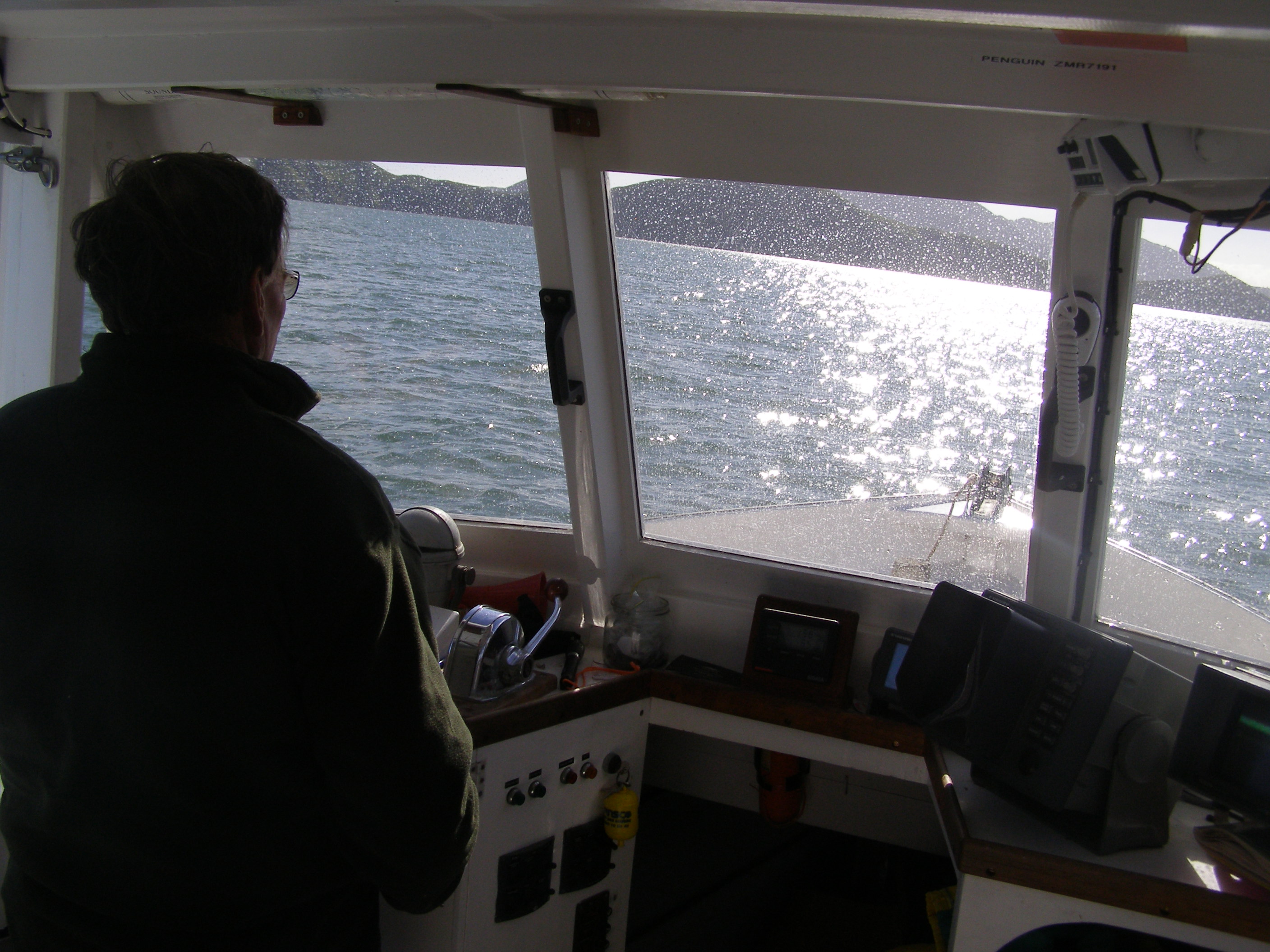
© irene waters 2014
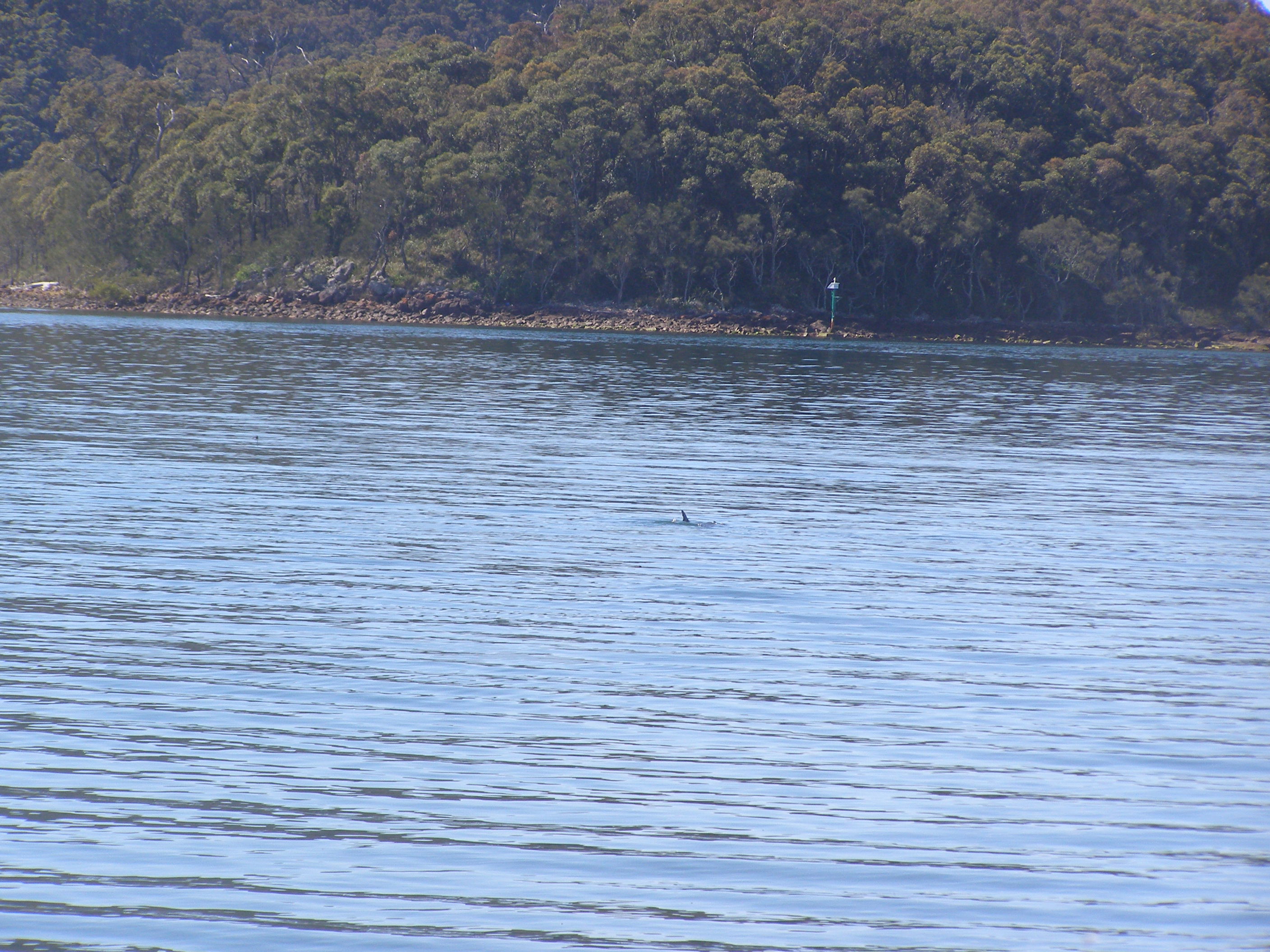
The coastline that makes up these sounds are an incredible 1/5th of all New Zealands coast line yet only take up an area at the top of the South Island between Tasman Bay in the west and Cloudy Bay in the South East. Steep hills rise from the sea which is home to an incredible number of fish, mussels and scallops, all of which we fished or dragged for ending up with some of the most superb fish meals I have ever eaten. It is also home for a variety of birds and as one of these, the Rough-faced shag, is classified as rare and vulnerable there have been over 50 reserves made within the sounds.
The isolation is palpable. Whilst out fishing we heard a call for help over the radio. We were the closest to the incident yet it was going to take us around three-quarters of an hour to get there. Heading off in the direction my friend spent the time checking the sizeable first aid kit that was on board to ensure that she was as familiar as she could be with its contents. The mail boat, a faster vessel, arrived seconds before we did. It was a good example of the care that the few, isolated residents afforded each other.
This isolation, which my friends loved, could not do anything other than give spectacular views through windows whether they be the beloved Penguin or from the batch (small house.)