© irene waters 2015
© irene waters 2015
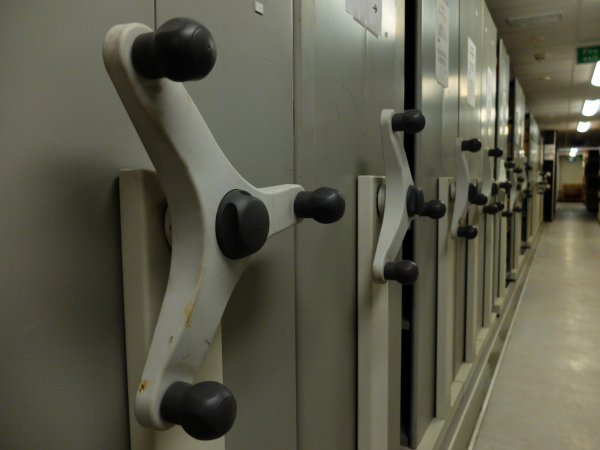
“Which chamber do you want?” Marc asked.
“Can’t I share yours?” Sylvie said.
“No. There’s only room for one and once they turn the screws tight, compressing the chamber, the pressure increases. The pain. You’d kill someone else if they were in with you.”
“Oh. That sounds dreadful.”
“That’s nothing. Then they start tipping and tilting and rotating the chambers until your stomach heaves. You have to pee and shit in a bag. When the bag splits from the high pressure it stinks like hell.”
“That’s it. I’m out of here.” Sylvie said.
Marc smiled. “That’s another wannabee astronaut gone.“
In response to the photo prompt © Claire Fuller.
© irene waters 2015

© irene waters 2015

© irene waters 2015
© irene waters 2015
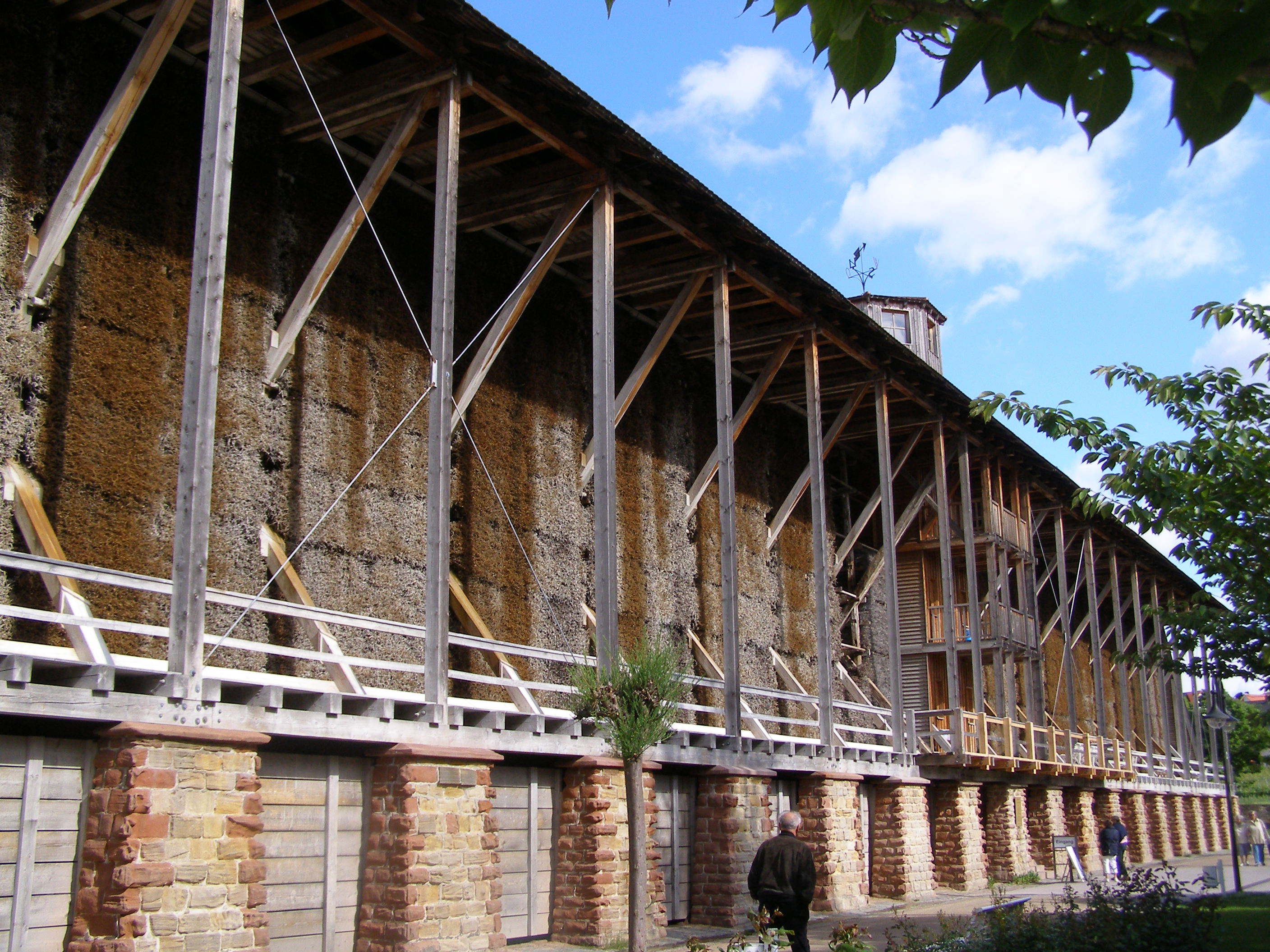
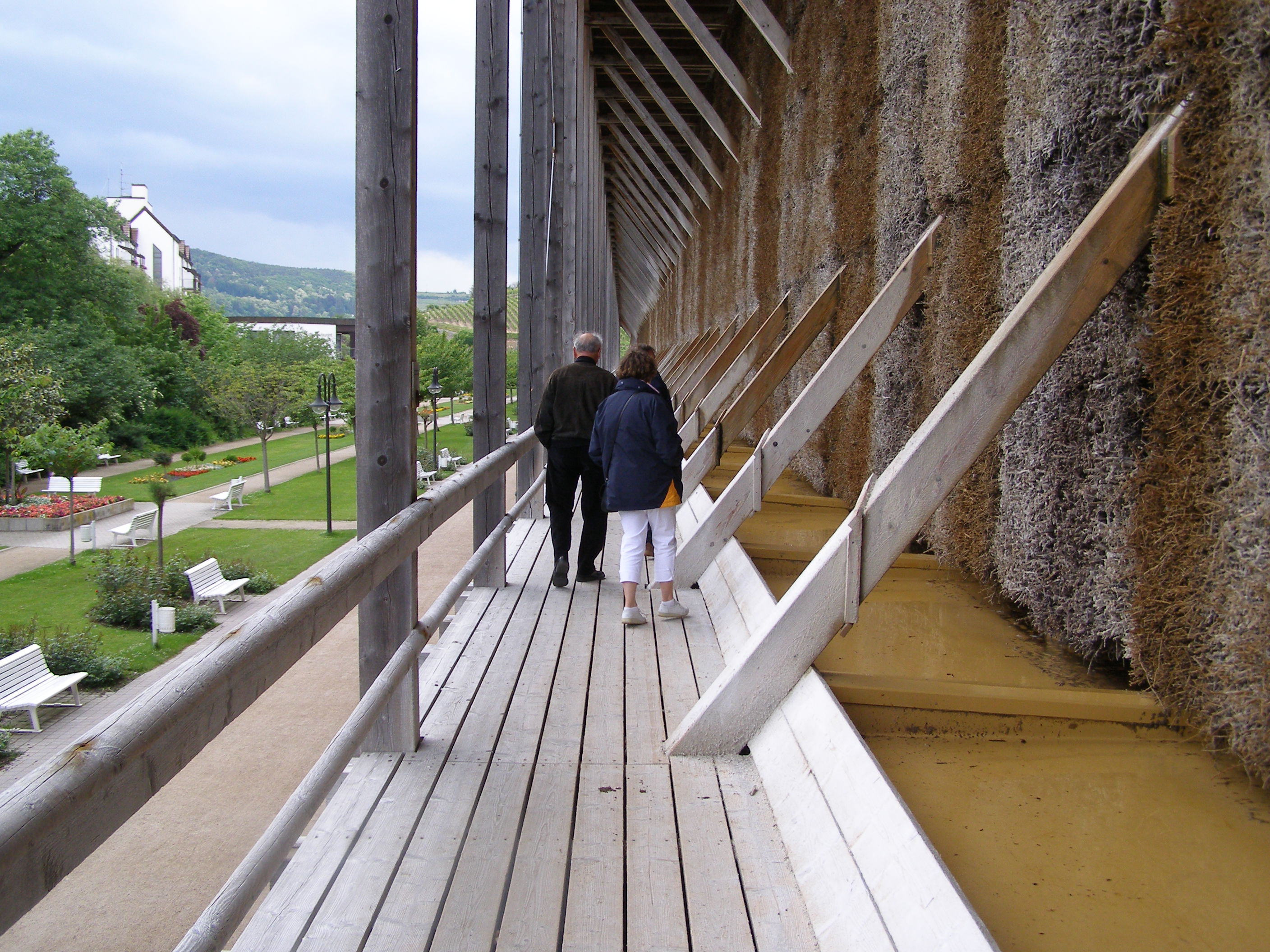
I’m sure we’ve all heard tales of the salt mines in Russia. Part of my husband’s youth was sliding on a hessian sack into the salt mines in Austria. The Gradation houses were a way of getting salt that I had never heard of until a visit to Bad Dürkheim, a city in the Rhein area of Germany.These gradation houses were used to produce table salt out of natural brine, in this case from the Maxquelle Spring. This is the only one of 5 gradation houses still in existence in this part of Germany.
© irene waters 2015
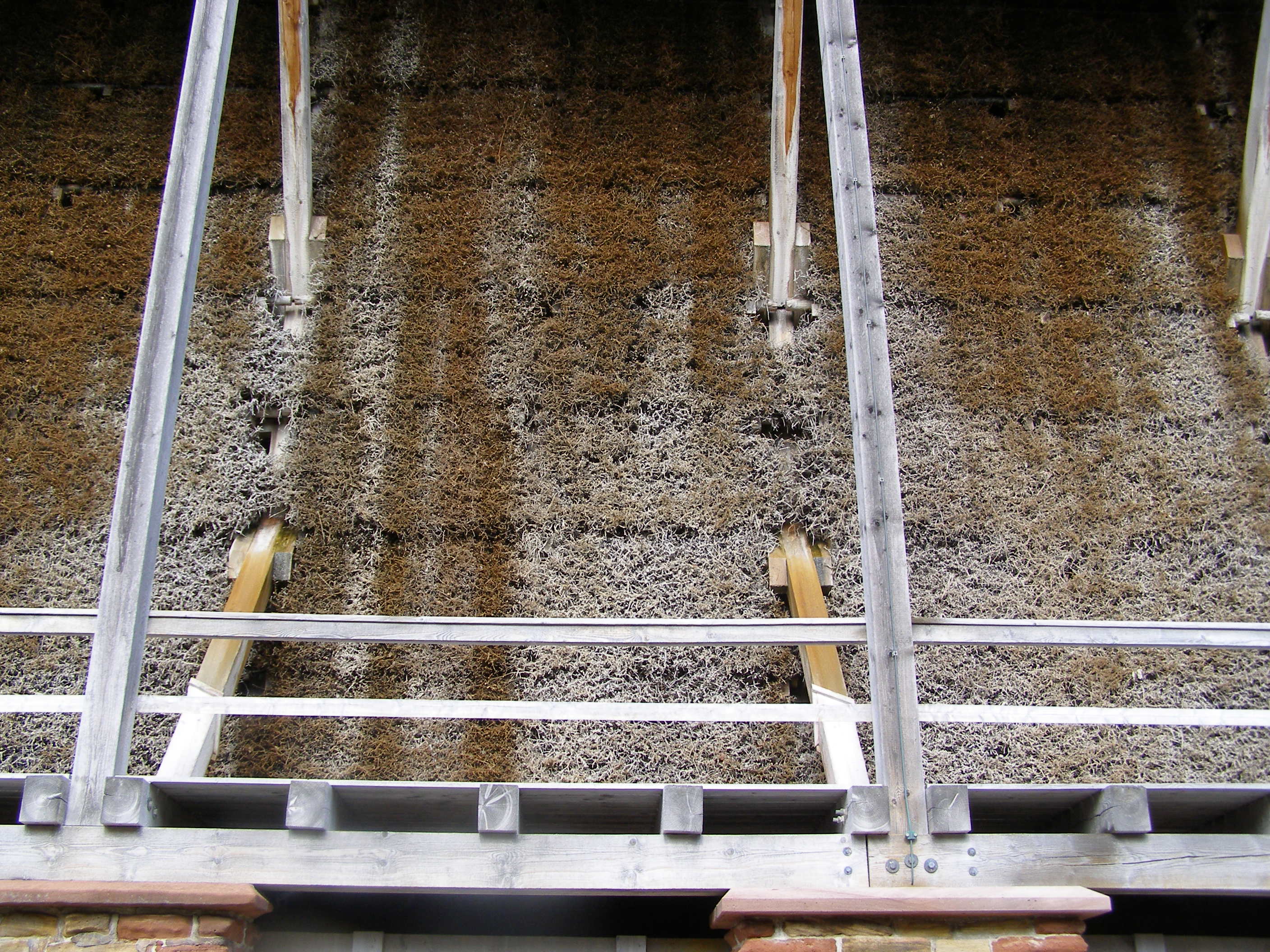
The water was pumped by a myriad of pipes to the top of the house(16 metres) and trickled down over bundles of blackthorn brushwood (200 cubic metres larchwood and 1000 cubic metres spruce and firwood). The water was collected at the bottom and pumped up again. This procedure was repeated several times until there was a high salt content (you can see the white presence of salt in the photo). The remaining water was then collected and heated, evaporating off the water until only salt remained in the pan.
© irene waters 2015
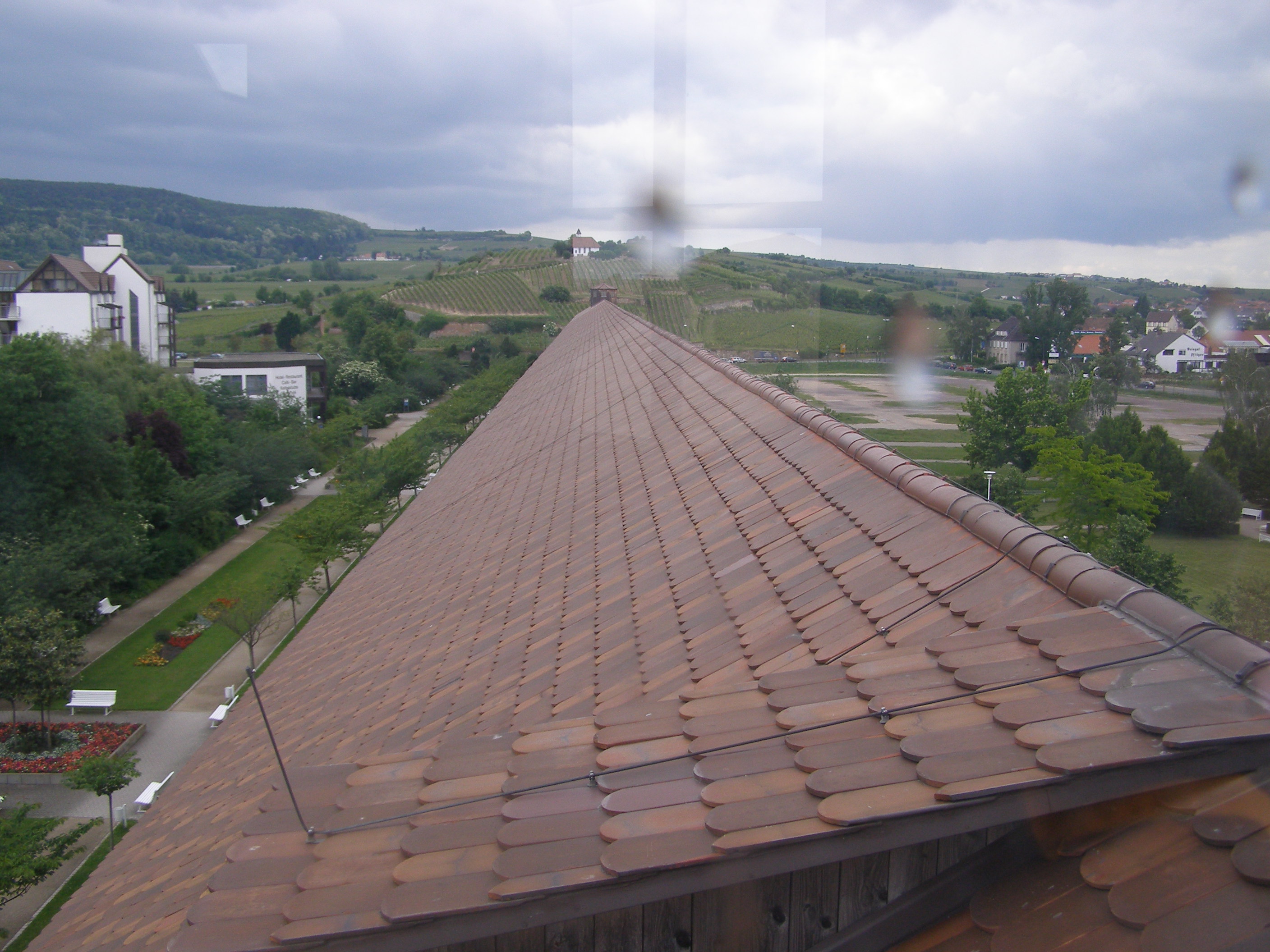
Looking along the roof, a span of 330 metres. This building was build in 1847 towards the end of the period where salt was obtained in this manner. It closed down for a short time in 1867 until someone realised the health benefits of breathing in of the large amounts of minerals in the form of microscopically fine drops, like inhaling an aerosol.The saltern was reopened for these benefits.
© irene waters 2015
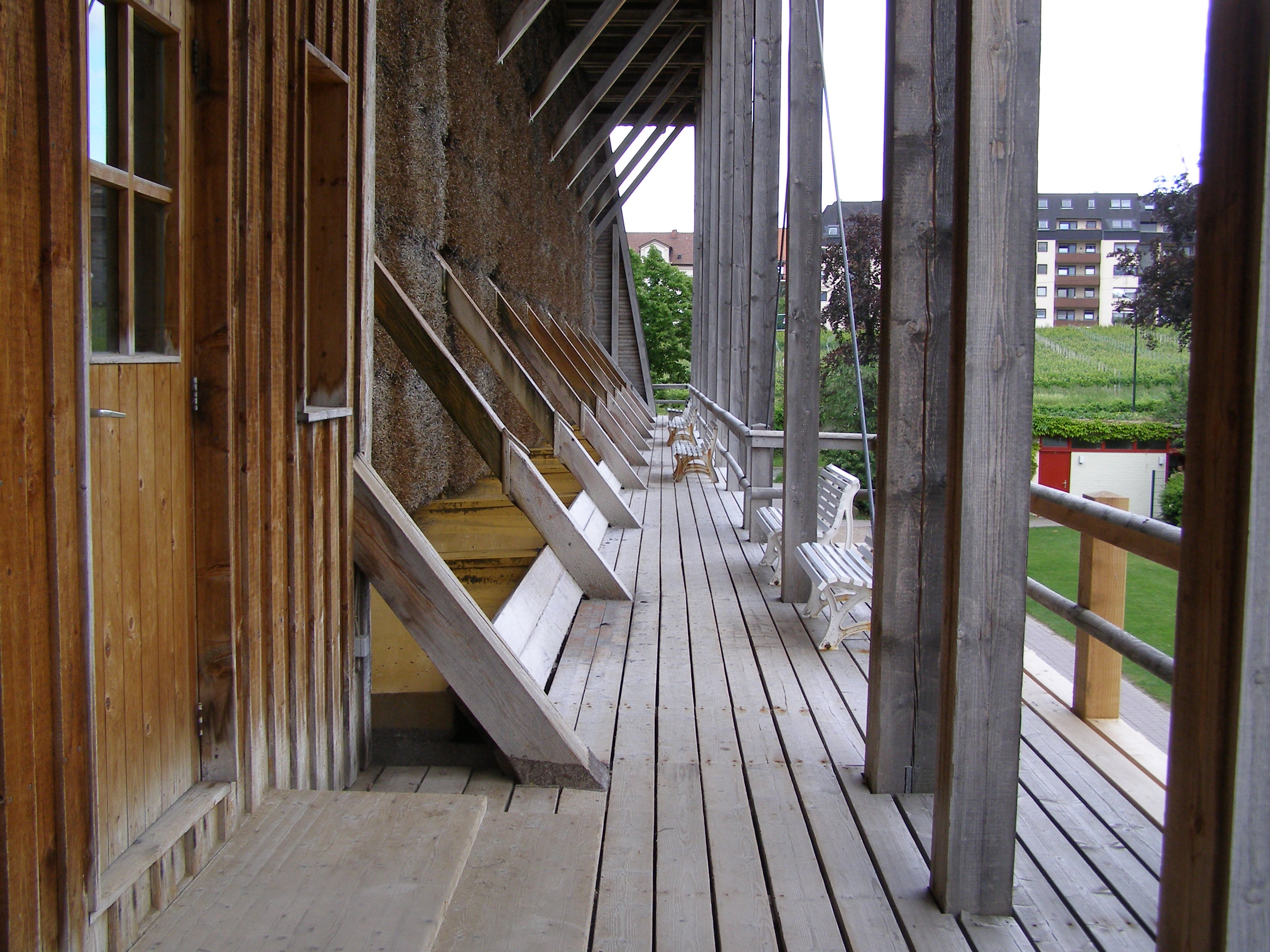
Walking along the walkways or sitting on the seats set on it for the purpose one can gain these health benefits and drink in the surrounding countryside at the same time.
© irene waters 2015
A health industry has blossomed in the town as a result. I peered in through the windows at the spa pools but I didn’t partake. The saltern was a trace of the past that I previously had known nothing about.
In response to Paula’s prompt

© irene waters 2015
Hostilities were raging in Europe and the Ottoman Empire had declared war with Britain in October of 1914 when the Battle of Broken Hill came to Silverton on the 1st January 1915.
Silverton a small town (popn 60) 26 kms north-west of Broken Hill in NSW was the annual site of the Manchester Unity Order of Oddfellows picnic day. A tram line ran between Broken Hill and Silverton, a remainder of the silver rush which gave the town its name. To transport the oodles of people attending the picnic both the train and all the open ore trucks were full of people.
Two Ghans (the name given to the Pakistani/Afghani workers who had come across to work with the camels) positioned themselves on a rocky embankment opening fire when the train was in their sights. At first the picnickers thought it was a welcome to the picnic day but as their companions fell around them bedlam broke out. The train guard, father of who was to become Prof Sir Ronald Nyholm, was a great marksman and was pivotal on preventing more deaths and injuries.
The ghans escaped to their camp, killing more people on the way. Here, surrounded by police, the local army and a mob of angry townsfolk, they were pumped full of gun shot,killing both, despite the white flag they were flying. At the scene the forces found an Ottoman flag and notes from the two men saying they attributed their actions to acting on behalf of Turkey in their hostilities with Britain.
I wonder though whether this was yet another example of an event being used for political ends. The two men, Gool (an ice cream vendor) and Abdullah (a local imam and halal butcher) had grudges to bear. Gool had suffered racism with rocks being thrown at him, knocking off his turban, which he then didn’t wear through fear. Abdullah had recently been in court on charges brought by the Sanitation Dept that he was not killing animals in a venue approved for slaughter. Reasons enough for marginalised people to become angry. Abdullah wrote that he was dying for his faith and in response to a letter from the Turkish Sultan ” but owing to my grudge against Chief Sanitary Inspector Brosnan it was my intention to kill him first.”
The next day all employees of foreign extraction, aligned to Germany, working at the Broken Hill Mines were declared enemy aliens and fired. It is believed by some that the Turkish flag and letter from the sultan was planted (the men were after all Afghani/Pakistani) in order to rally support of the Australian public for the war.
Shortly after this all enemy aliens were interned for the duration of the war. The Silverton Tramway Company refunded the fares in full to those that had been on the picnic train.
Enough for one post. I didn’t mention Silverton Pub or the vegemite painter so I will continue with Silverton for Day 4.
Thank you to Norah Colvin who nominated me this challenge. Norah’s passion is childhood education and even if you don’t have children, there is always thought-provoking insightful writing that keeps those grey cells working.
The blogger I am nominating today (with no pressure to join in ) is Debbie from Travel with Intent who has wonderful photos and travels the world.If you wish to participate it is 1 photo a day for five days add a story fiction or non-fiction or poetry, link to the person that nominated you and nominate 1 person each day.
© irene waters 2015
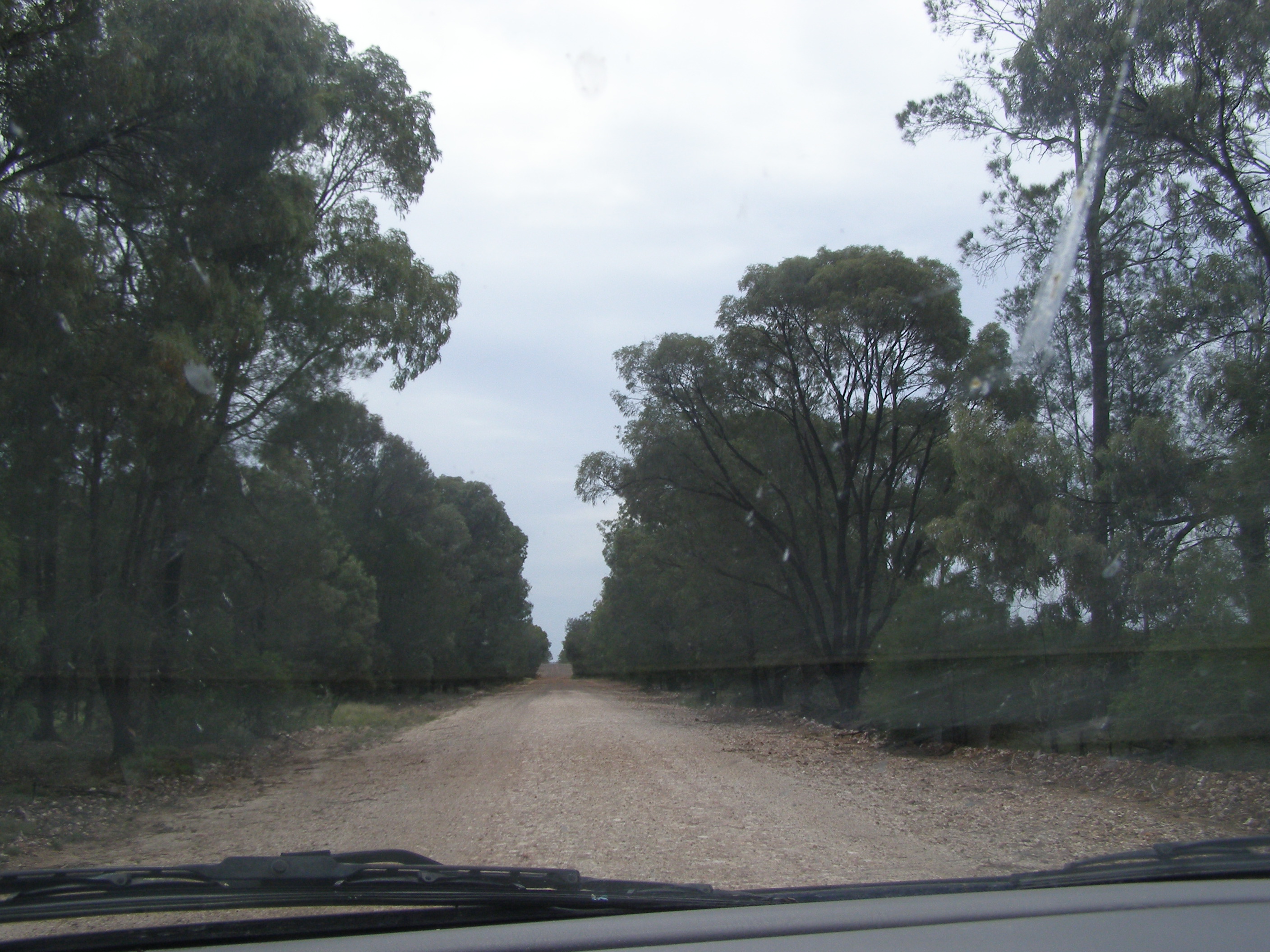
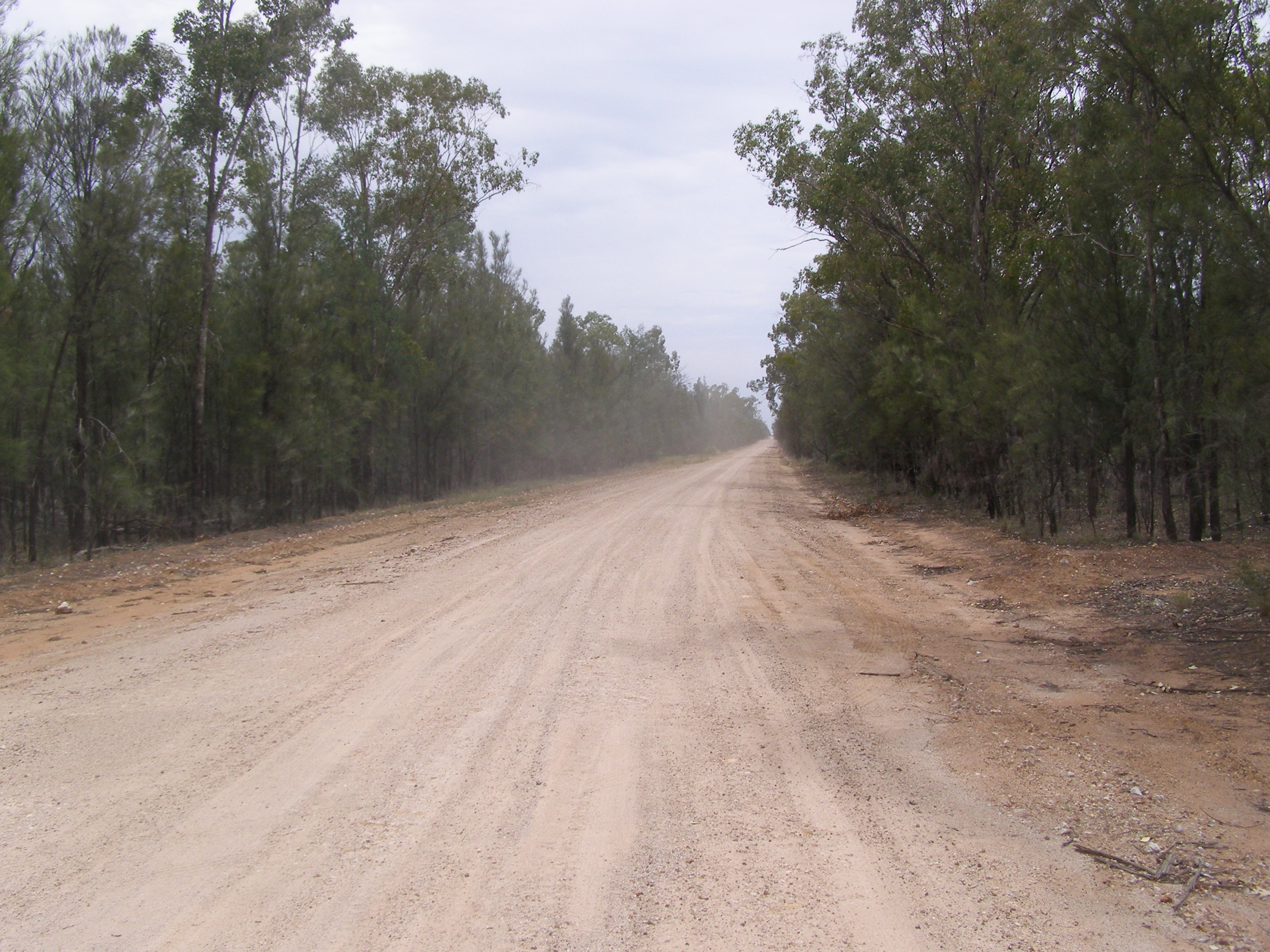
Lost in Australia can be frightening. Particularly when you don’t know where you are, the petrol gauge is showing empty and you have two German tourists in the car that are already fed up with travelling and fearful of the wildlife Australia has to offer. Not to mention that we had no provisions with us including water.
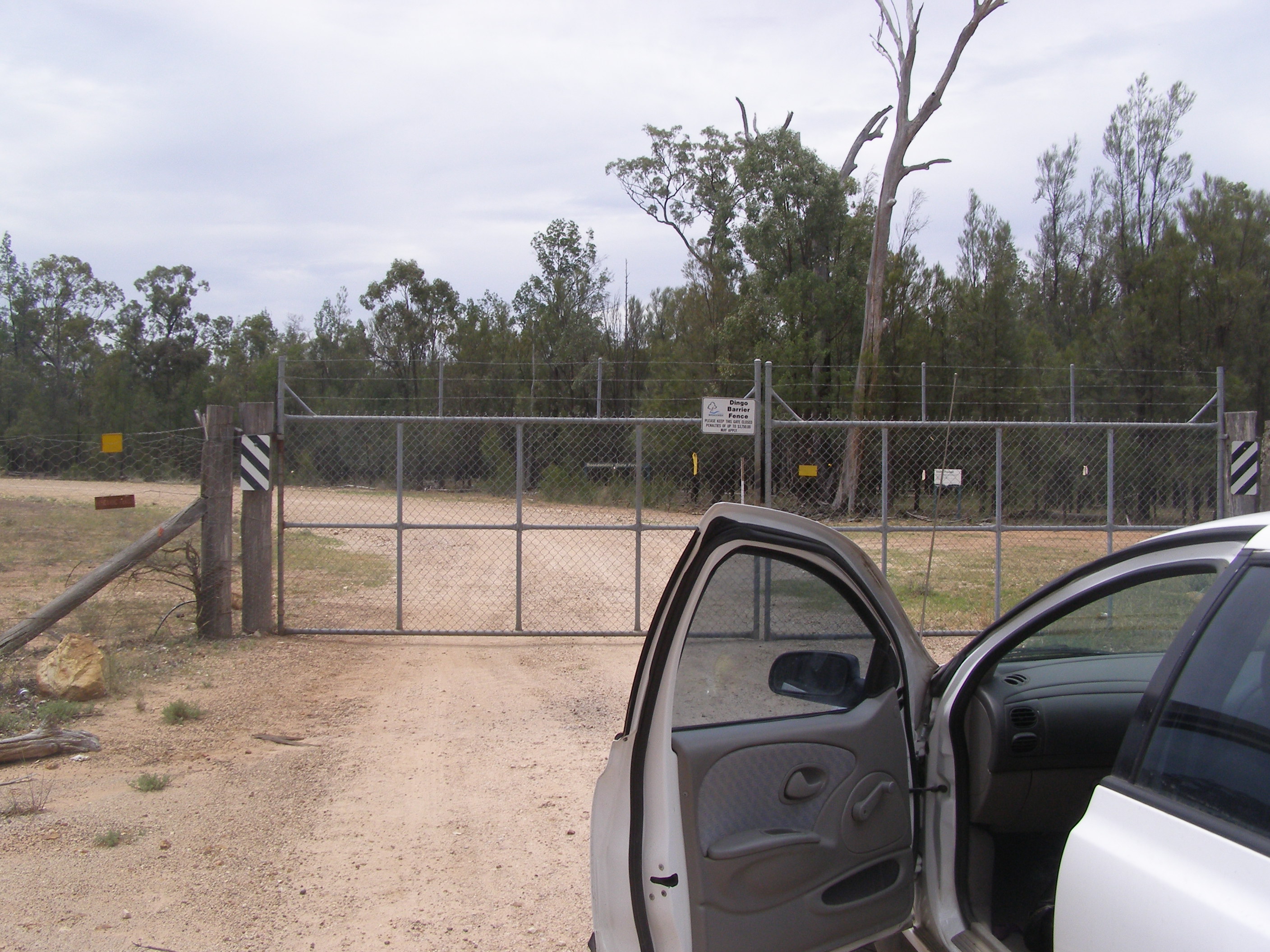
We left Goondiwindi with a plan – head off on the A39 to Toowoomba. We passed the point where this plan could change, or so I thought. How wrong could I be. Roger made a sudden decision we should head north finding the coast again around Gympie (north of Noosa, our destination). Seeing a road off to our left with a destination signpost he swung in quickly. The road quickly turned to gravel. Our GPS had us travelling cross country. Our car although used to dirt roads was shaking us to pieces. We drove and drove with no end in sight until suddenly we hit the dingo fence.
© irene waters 2015
© irene waters 2015
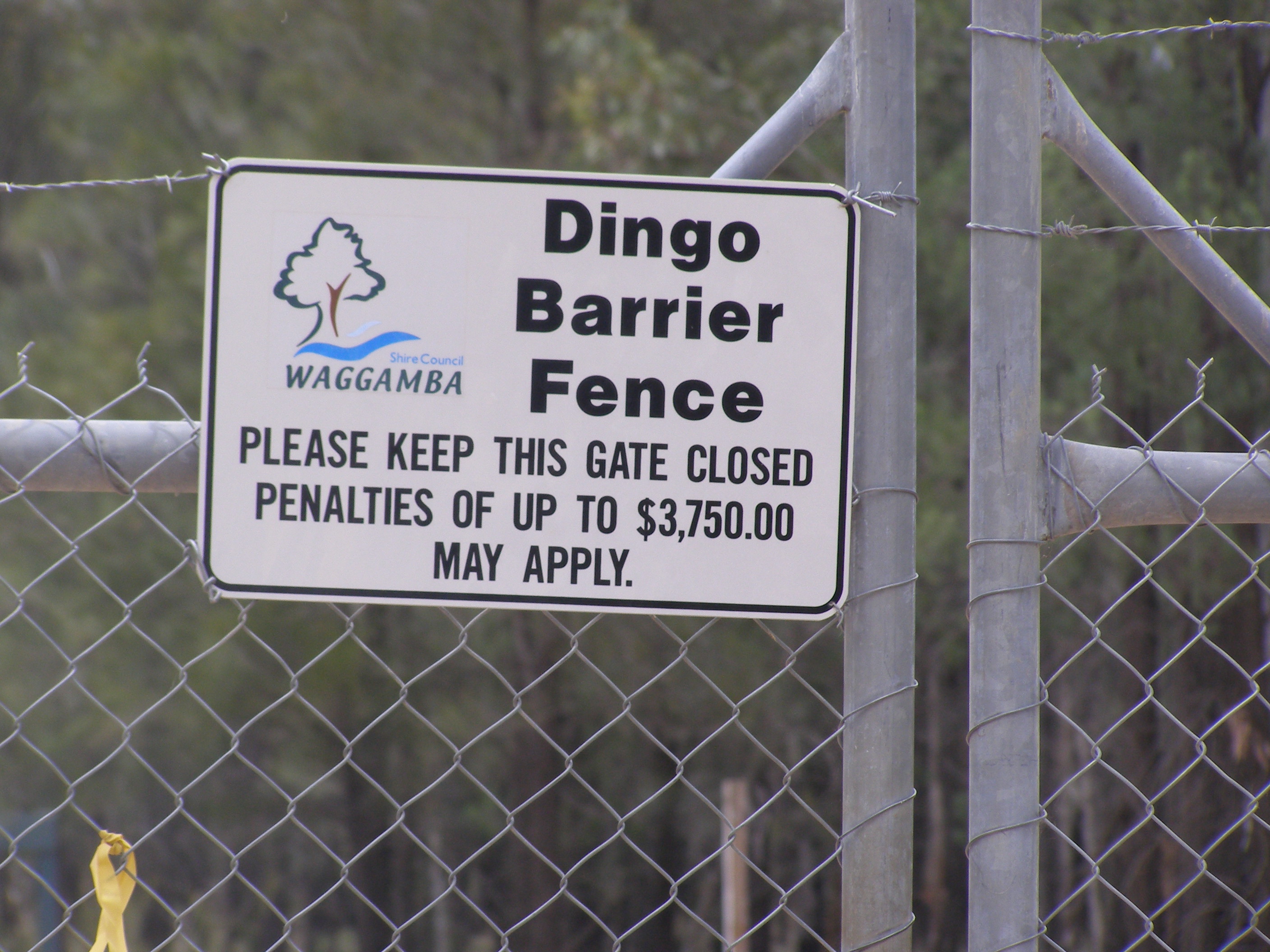
The dingo fence is the world’s longest fence and one of the longest structures (5,614 kms) in the world. Built in the 1880s to keep dingos from the sheep properties of south-east Queensland, it stretches through Queensland starting in the Darling Downs, travels along the NSW border and through the Strzeleki Desert then turns at Cameron Corner (where the three states Qld, NSW and South Australia meet) and then travels down to the Great Australian Bite.Although it appears effective in keeping down the numbers of dingos it is expensive to maintain and as there are now no predators the other animals have flourished, leading to competition for pastures.
We had a choice to make however and we needed it to be the right choice with our lack of petrol and water. We opened the gate and went through, closing it behind us. We drove west for a short distance with the road becoming worse. We turned and retraced our steps and continued on our original dirt road heading north.
© irene waters 2015
Probably we would have made it to the road heading to Moonie no matter which road we took but finally, immensely relieved, we hit bitumen. Our German guests have not recovered from this trip and the next time and any future time they come they have insisted that they just want to sit at our house. They feel they have seen as much of Australia as they want to.
For myself, having survived the experience, I look back on it as an adventure that took me to a part of Australia that I wouldn’t expect to see without a four-wheel drive vehicle. The dingo fence. Something that I had learnt about in school but never expected to see.
Thank you to Norah Colvin who nominated me this challenge. Norah’s passion is childhood education and even if you don’t have children, there is always thought-provoking insightful writing that keeps those grey cells working. She even writes flash fiction in the Carrot ranch 99 word prompt. Catch her onion story.
The blogger I am nominating today (with no pressure to join in ) is Raewyn from Having Fun with photography who does just that. Flowers and life in New Zealand plus more. If you wish to participate it is 1 photo a day for five days add a story fiction or non-fiction or poetry, link to the person that nominated you and nominate 1 person each day.

© irene waters 2015
We have some very definite habits. Once we are both up we walk Bundy our cocker spaniel.
© irene waters 2015
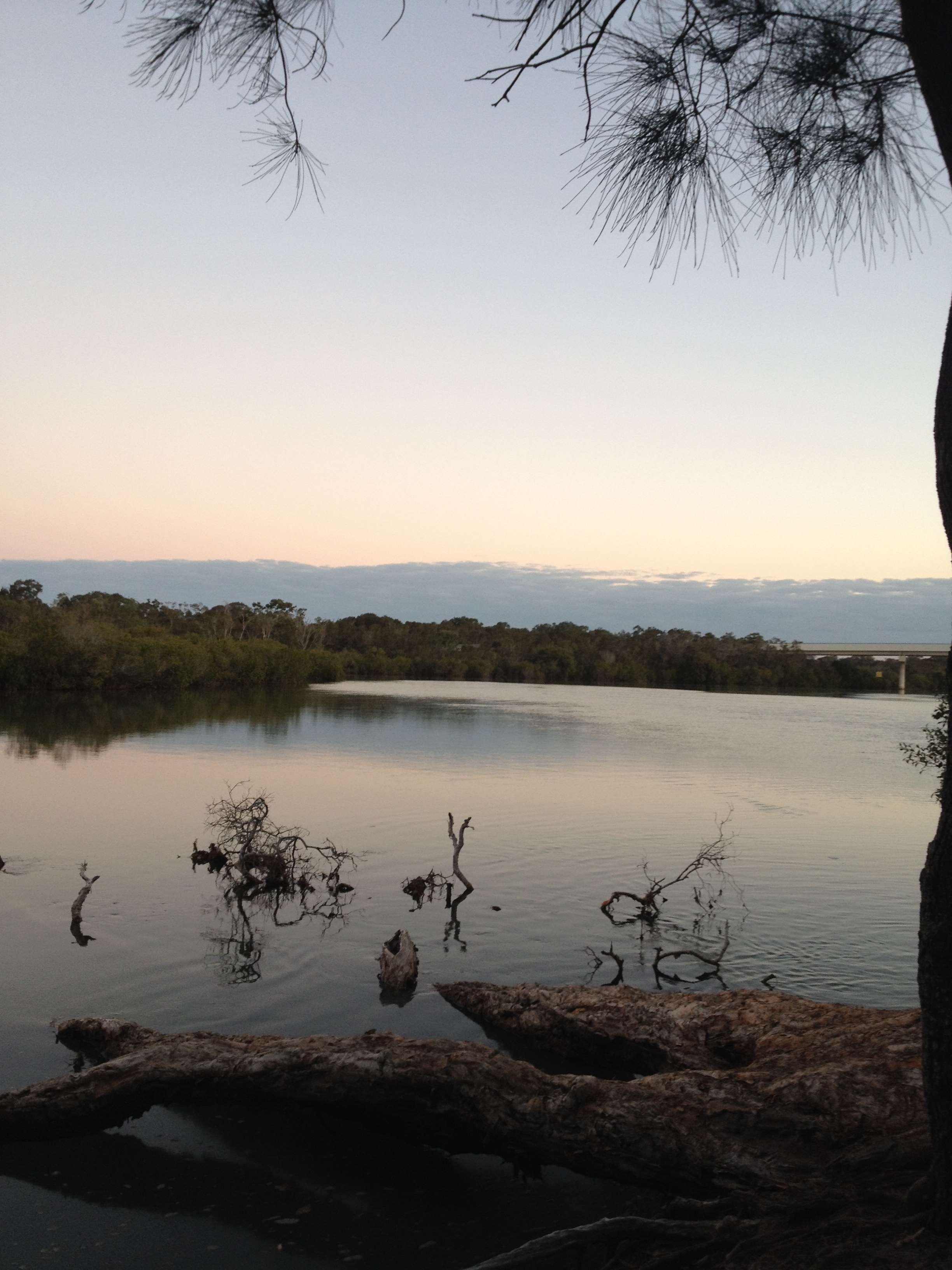
Usually in the morning we walk along Weyba Creek which is across the road from us where Bundy can run around off lead.
© irene waters 2015
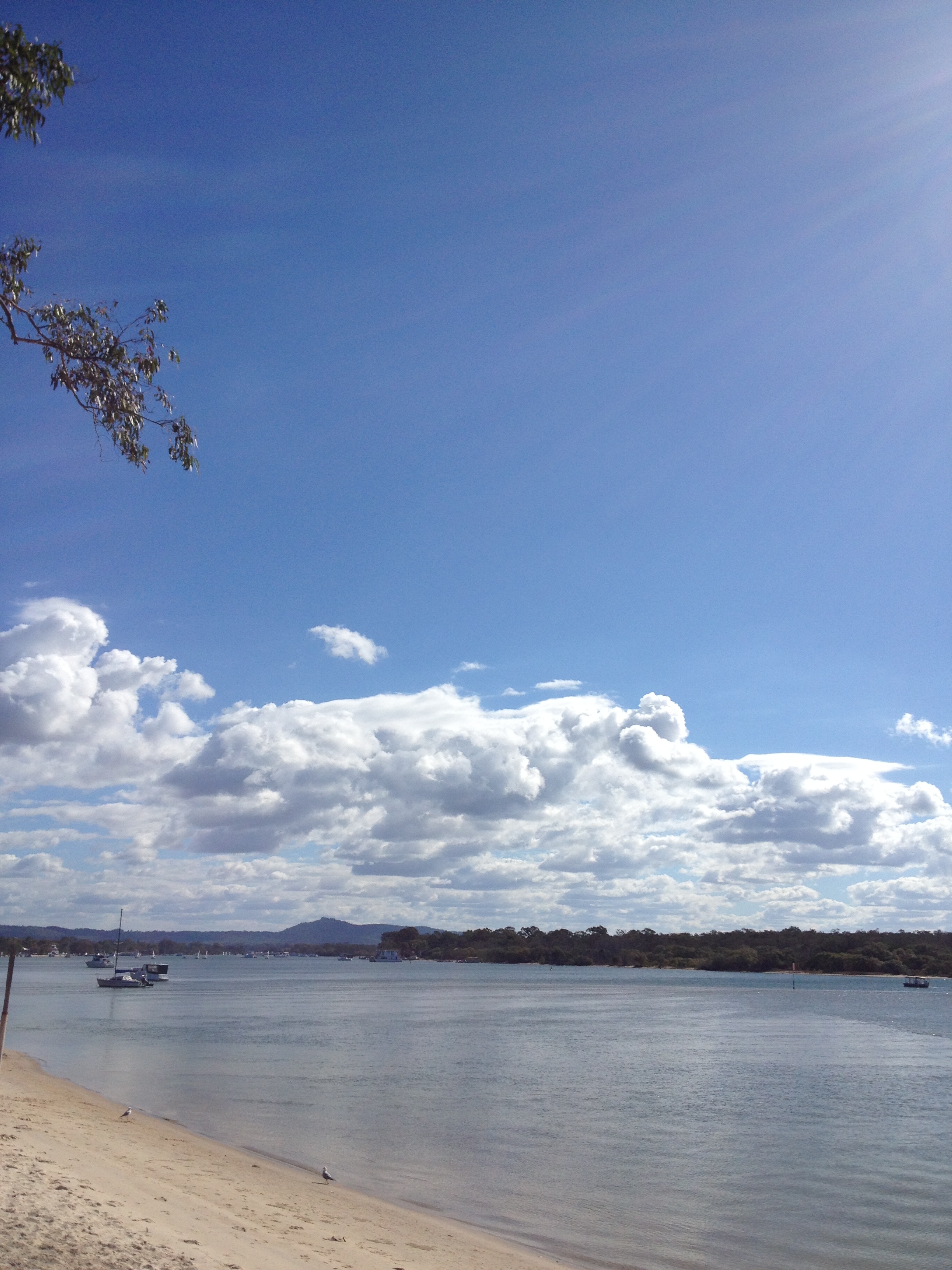
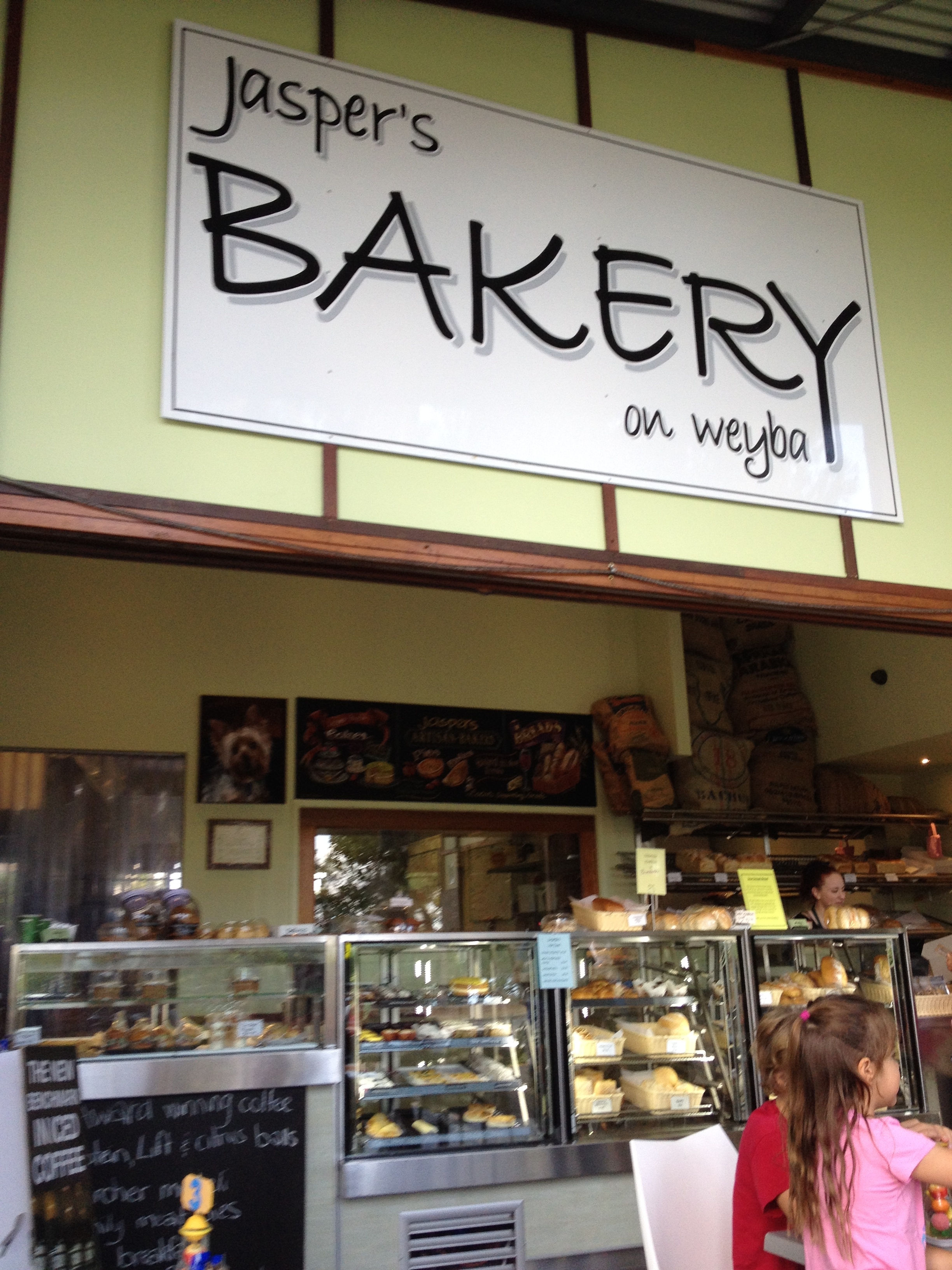
Sometimes by Noosa River. We never however miss our morning walk. Rain, hail and shine and we always end the jaunt at Jasper’s Bakery.
© irene waters 2015
I used to tuck into all the goodies in the cabinets but some habits sadly die as the waistline expands so now I limit myself to a little sour dough roll once a week and it has become habit to look forward to that small treat.
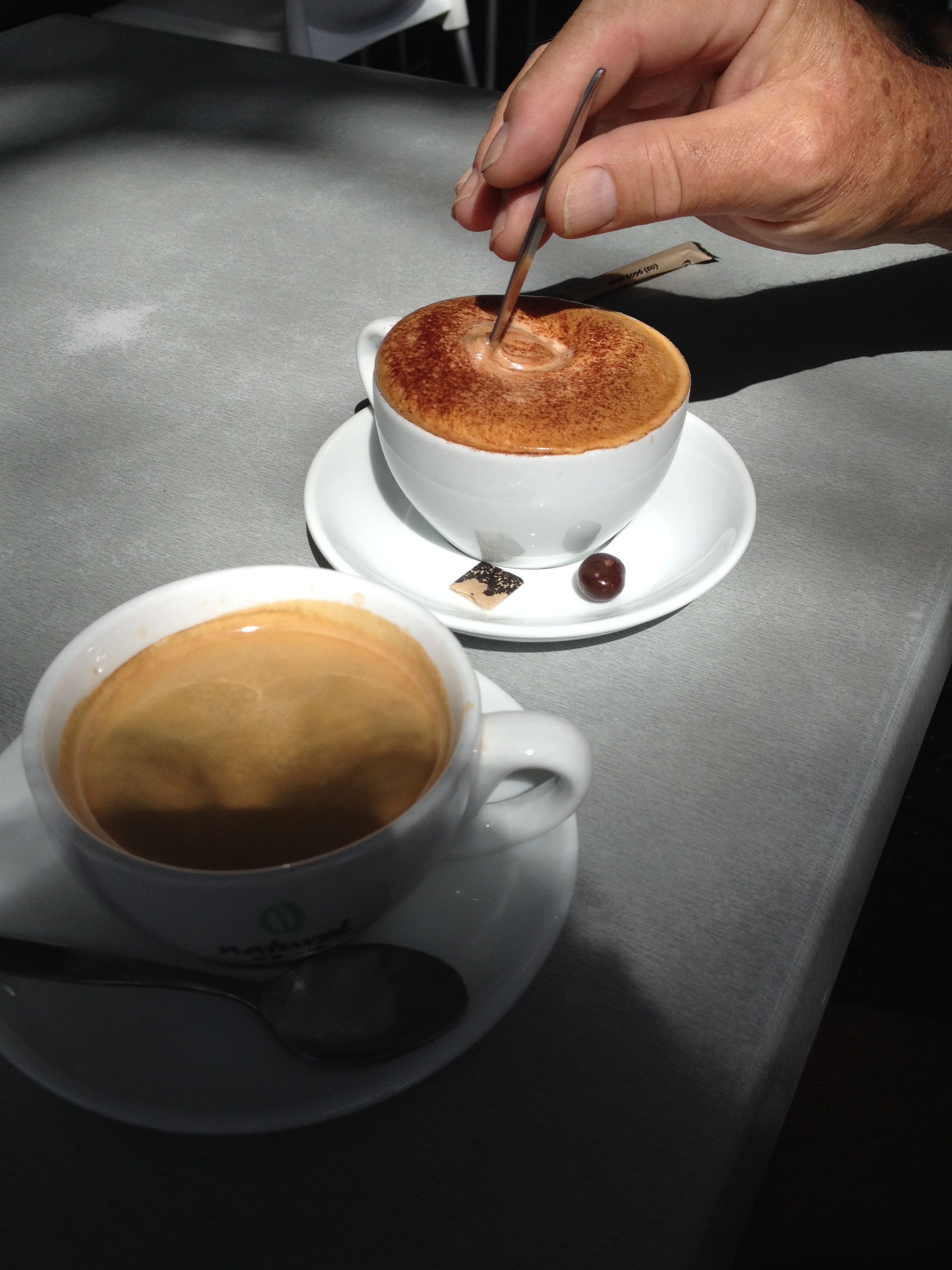
© irene waters 2015
It remains habit to have our coffee at Jaspers. I now limit myself to one per day and I choose to have it here as the coffee is great and I can still drink in the smell of the baking bread.
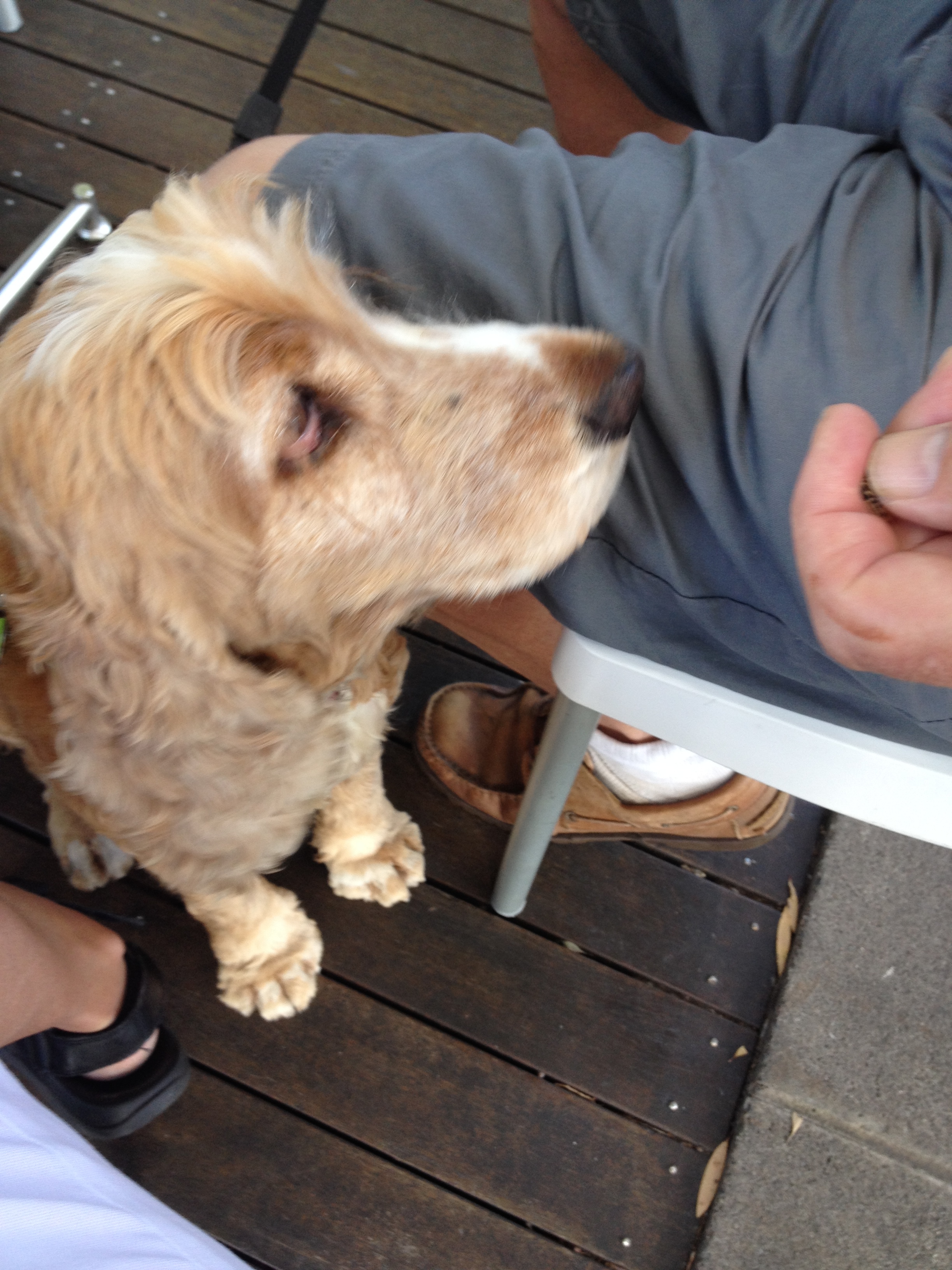
© irene waters 2015
Our faithful companion always gets a treat here as well.
© irene waters 2015
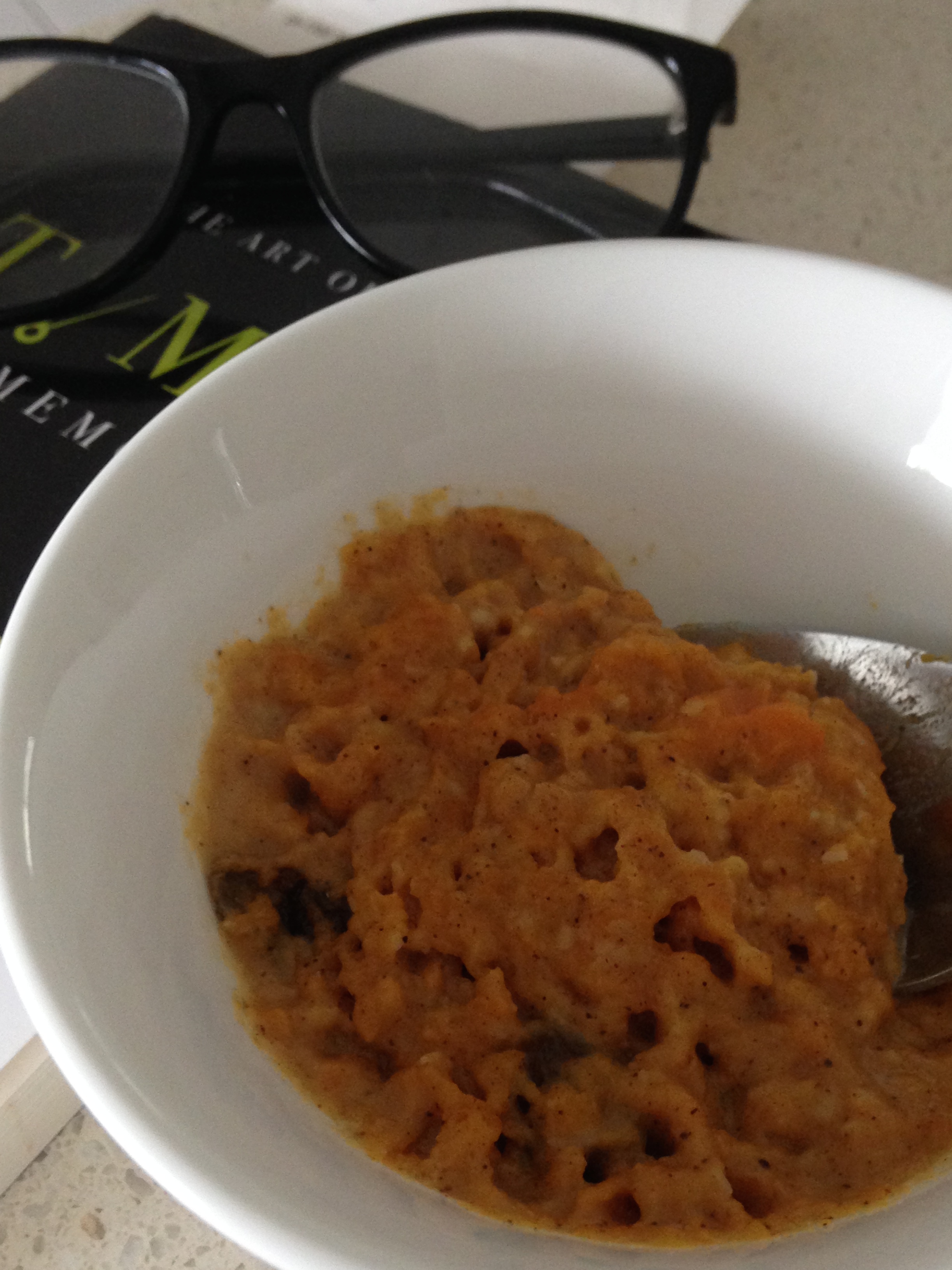
We return home and I have breakfast. It is now habit to have mashed pumpkin/tahini/coconut/sultana/cinnamon porridge. It is just yummy and I really look forward to my new habit. In fact, I’d eat it for breakfast, lunch and dinner if I could. Whilst I eat I read a book for my studies. I limit my daytime reading to only stuff to do with my research. At night I allow myself to read for pleasure. The remainder of the day does not belong to habit. It is whatever I have to do and things I want to do. At least once in each day and preferably more often I like to have a good laugh.

© irene waters 2015
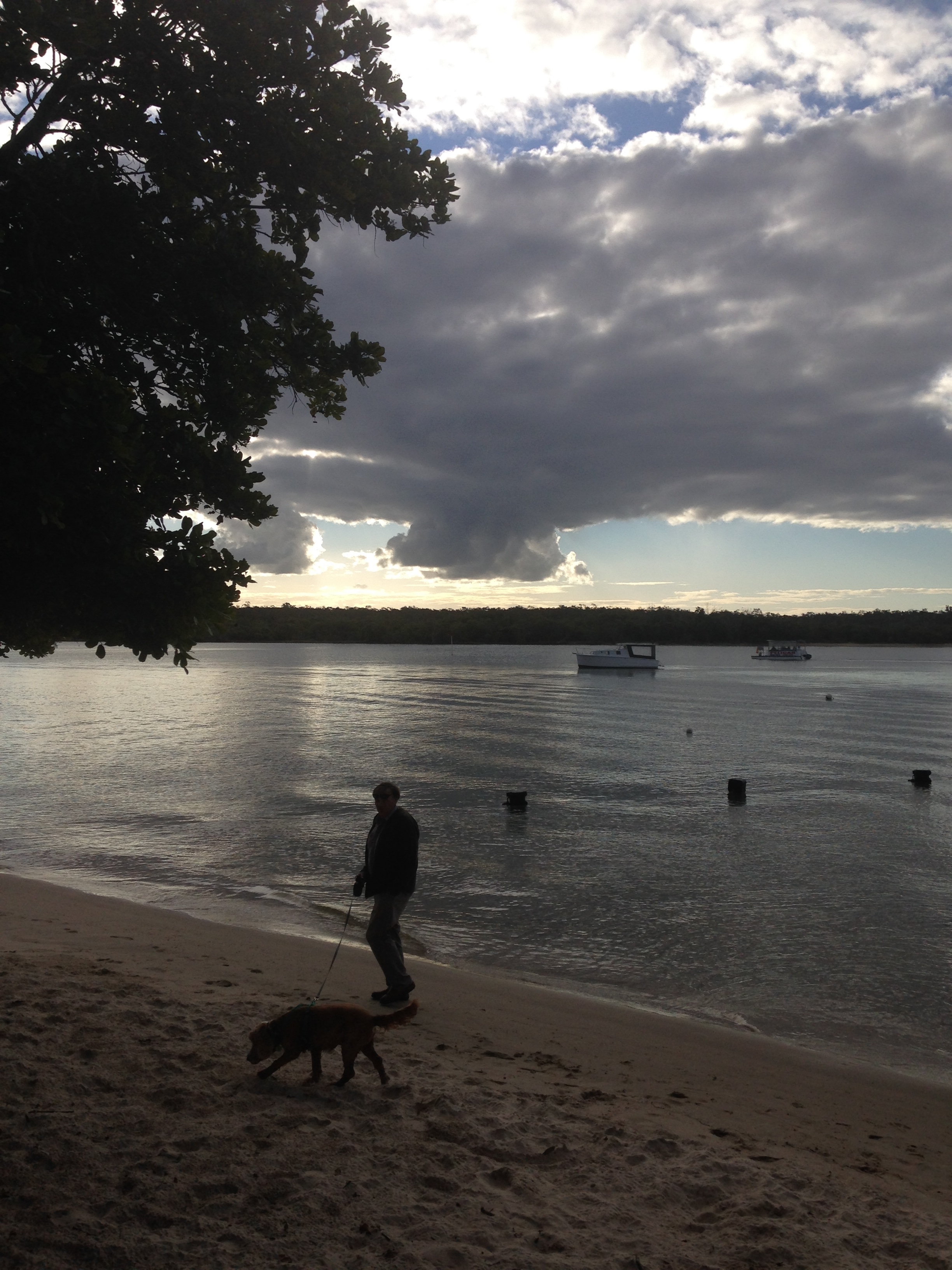
© irene waters 2015
Then as habit would have it we walk the dog again. We like Noosa river for this walk as we can see the sunsets.

© irene waters 2015

© irene waters 2015
Then we all curl up on the lounge and watch Eggheads, Judge Judy and the Chaser.
In response to Cee’s prompt Habits


© irene waters 2015
Thank you to Norah Colvin who nominated me this challenge. Norah’s passion is childhood education and even if you don’t have children, there is always thought-provoking insightful writing that keeps those grey cells working.
The Victoria Hotel in Goondiwindi was named after Queen Victoria – Australians in those days loved their Queen and their drinking. It didn’t start life looking like a cross between Victorian Architecture and the grand designs of art decco and the jazz age but rather a single story shingle shack, with hitching rails and horse troughs, that appeared soon after the founding of the town.
The town, close to the NSW border in the central south-west of Qld, sits on the edge of the MacIntyre River. The various lagoons are a haven for much bird life, which gives it the aboriginal name of Goonawinna meaning the resting place of many birds. It was the place where three large unfenced grazing properties met and became a campsite for the bullock teams from NSW which brought up food and mail for them. Eventually a petition asking the lands department of the day for land to be released for purchase. In 1860 an auction for around 35 1 acre blocks and 56 town blocks was held with all but two selling and a town was born.
Over the years various owners have added to the Victoria Hotel with its present appearance created by Bill Bell somewhere in the 1920 and 30s. He added the tower which displays a tower of Pisa type of lean. Not only is it a visual beauty but the characters that frequent it have created their own history. Cow cockies would ride into the bar and lassoo the drinks they wanted and during the 1956 flood a customer took his boat into the bar.
The other claim to fame of Goondiwindi is that this is the origin of the famous racehorse Gunsynd who is also memorialised in the hotel with one of the bars named after him.
The blogger I am nominating today (with no pressure to join in ) is Judy Dykstra -Brown who has a great attitude to life, writes poetry and short stories and currently lives in Mexico.If you wish to participate it is 1 photo a day for five days add a story fiction or non-fiction or poetry, link to the person that nominated you and nominate 1 person each day.

© irene waters 2015
© irene waters 2015
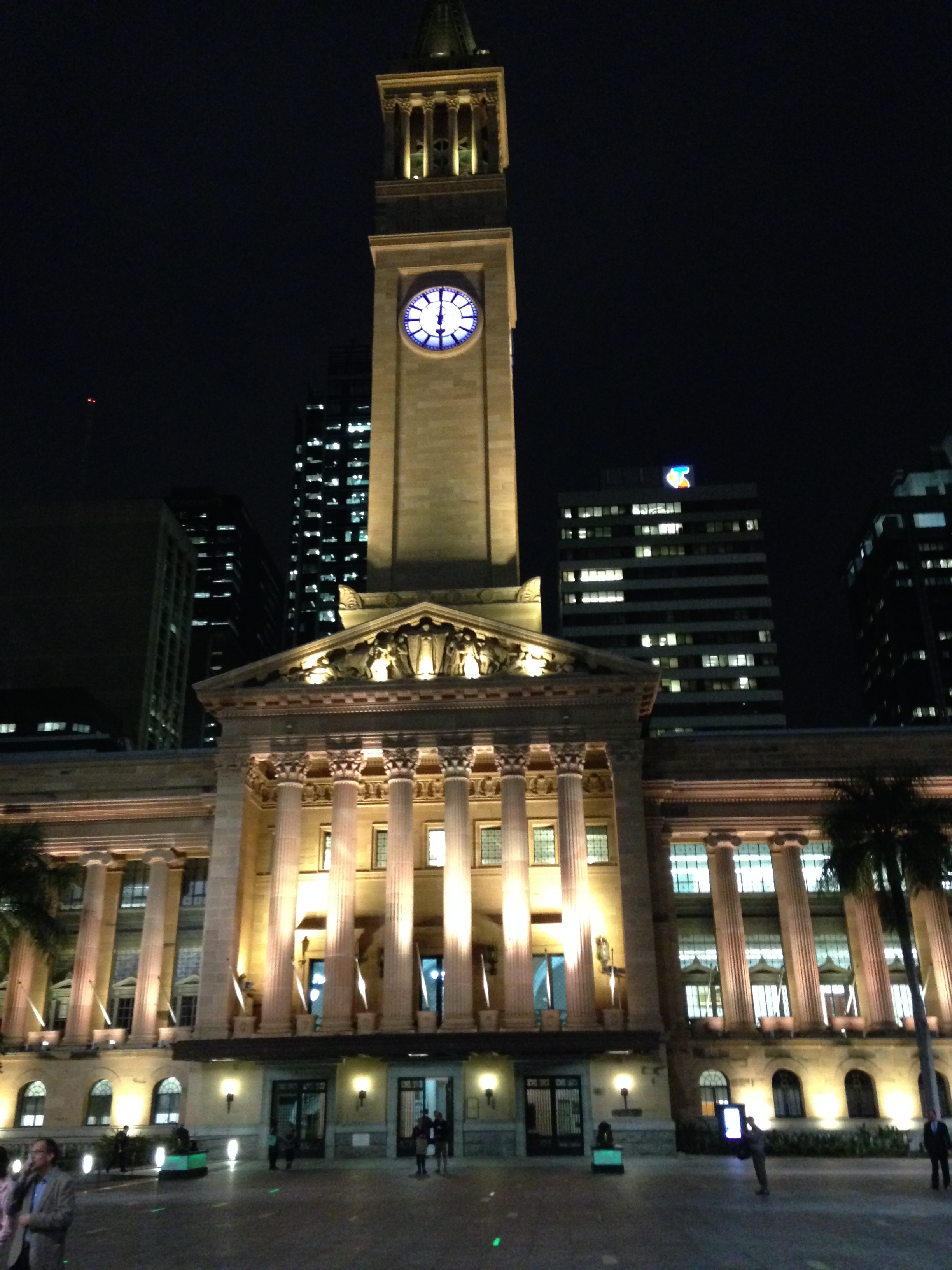
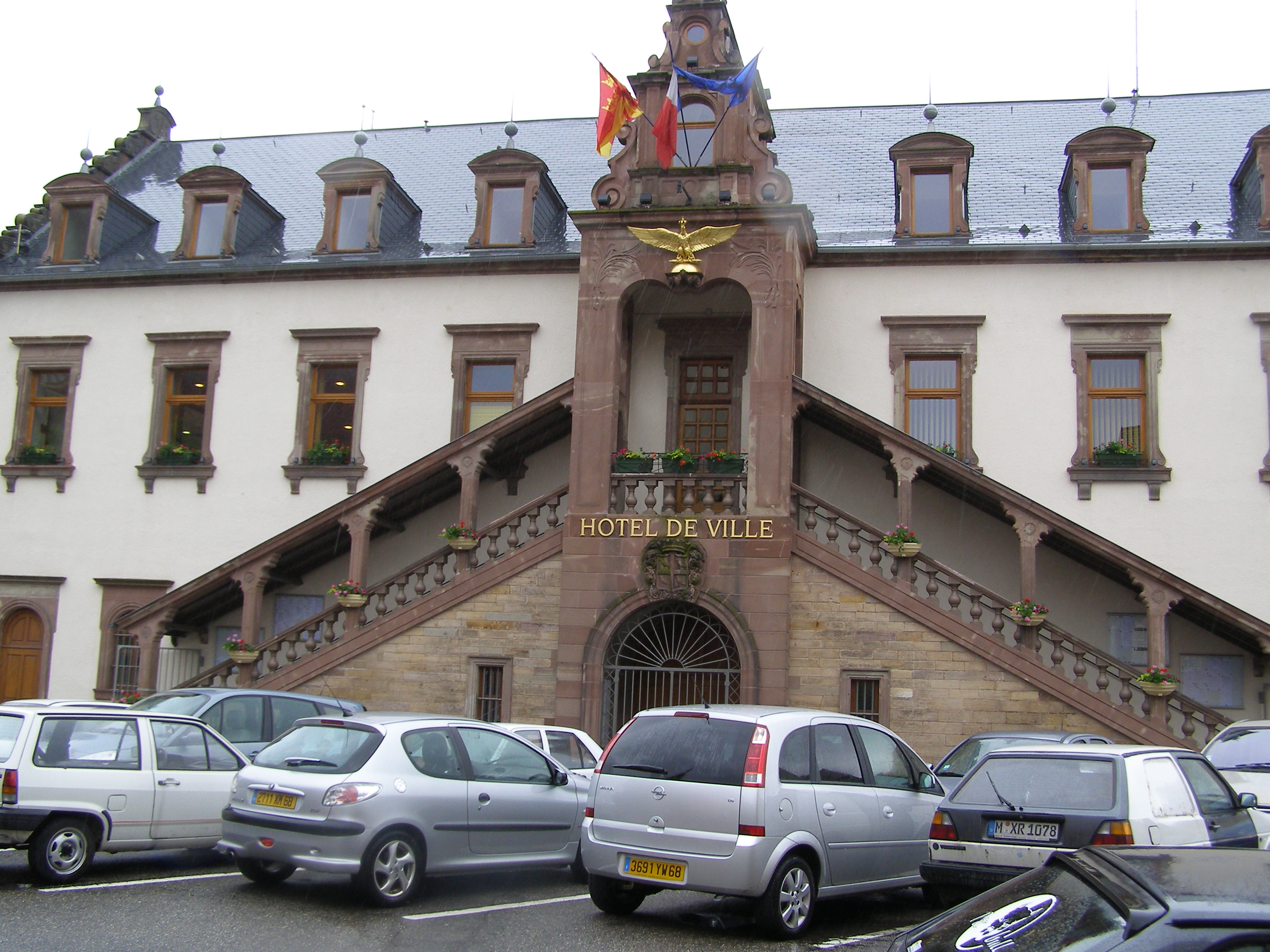
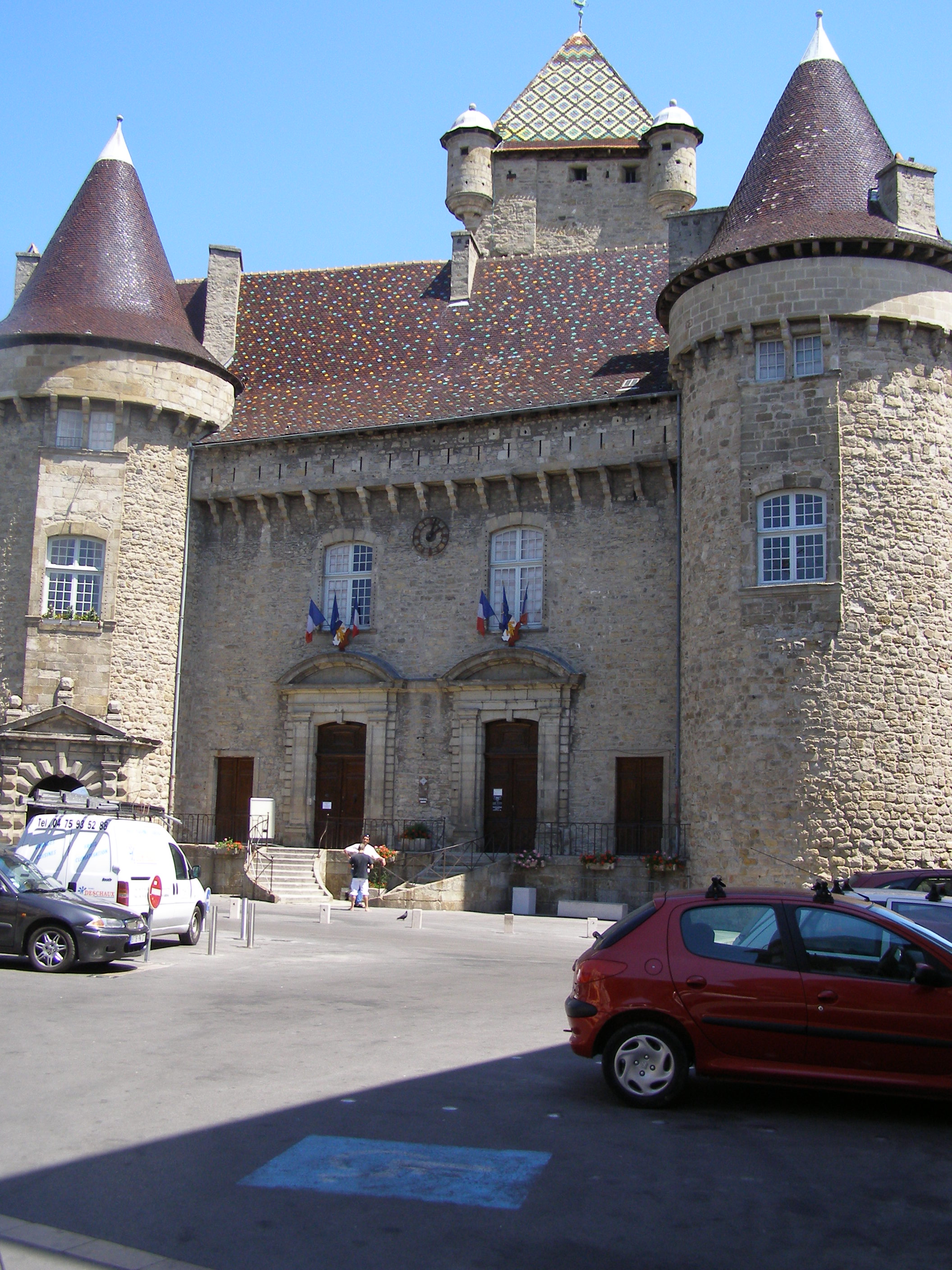
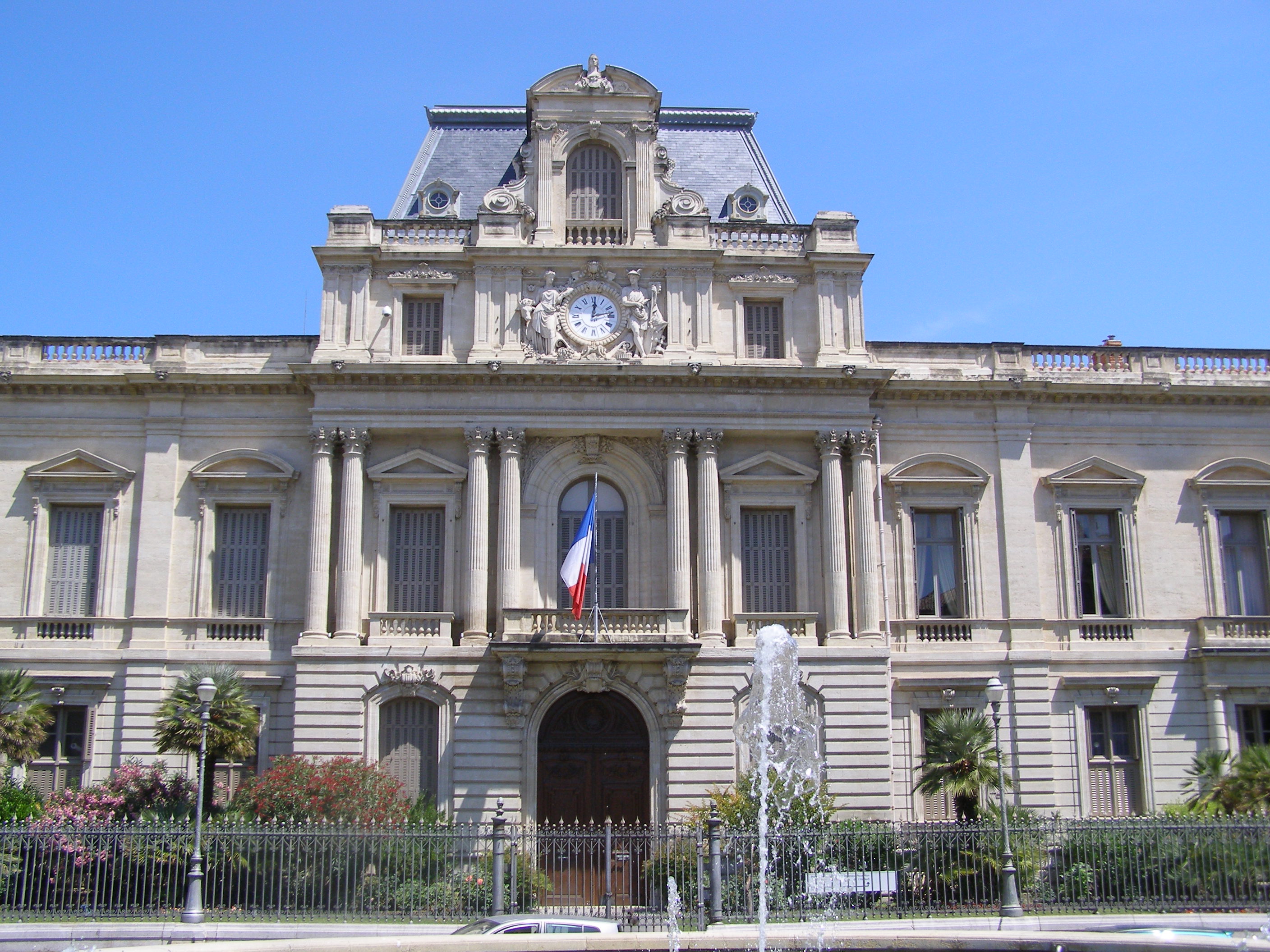
Brisbane Town Hall is an imposing building especially when seen lit up at night. It rivals its European counterparts shown below.
© irene waters 2015
© irene waters 2015
© irene waters 2015
© irene waters 2015
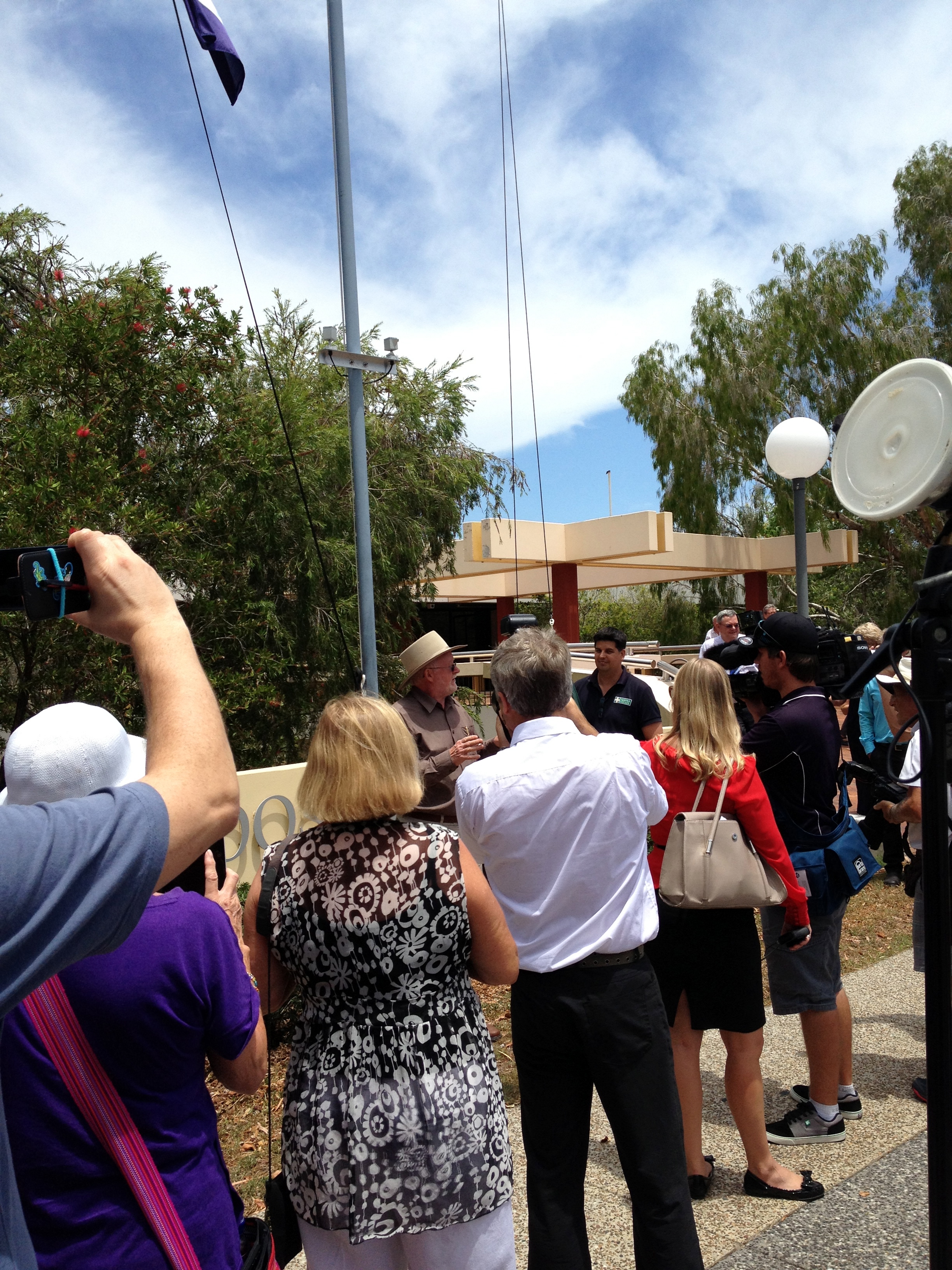
Our own Town Hall is a much less imposing structure but the community good will it engenders is massive. Here we are raising the flag after successfully campaigning to get our council back after the government had merged us with the Maroochy Council making the mega council of Sunshine Coast Council. Our two council areas were at opposite ends of the spectrum with the south wanting development and high rise, whilst Noosa’s interest was sustainability, environment and low development only. Here Noosa Council flag is again raised at the Town Hall.
In response to Ed’s Challenge


 | Big Mouse on Layers |
 | Irene Waters 19 Writ… on Radio Quiz Kid – My… |
 | Kim on Radio Quiz Kid – My… |
 | Friday-Flashback-Pre… on Cee’s Fun Foto Challenge:… |
 | THURSDAY’S SPE… on Over: Thursday’s Special |










SHORTS, NOVELS, AND OTHER THINGS
Traveling Fashion Designers 🌼
My experience of breast cancer diagnosis and playing the shit cancer gameshow
USA Today Bestselling Author
Daily tips for success, business, lifestyles, self-esteem,...
Having fun blogging with friends
A Galaxy of Thoughts and Creativity
Tools, Dials & unexpected Levers
Writing, Publishing, and Marketing Ideas
Writing Fiction and Running Miles! That goes together, right?
Short Stories and Poems - Mostly dark ones!
stories, photographs, adventures...the next chapter
Watch Your Thoughts; They Become Words
Connecting Authors and Readers
Author of The Sound of Water and other books
poetry, prose n pics
Daily Living in the Heart of Dixie
When you choose an alternative lifestyle with no idea what you're doing and make it up as you go.

