
© irene waters 2015
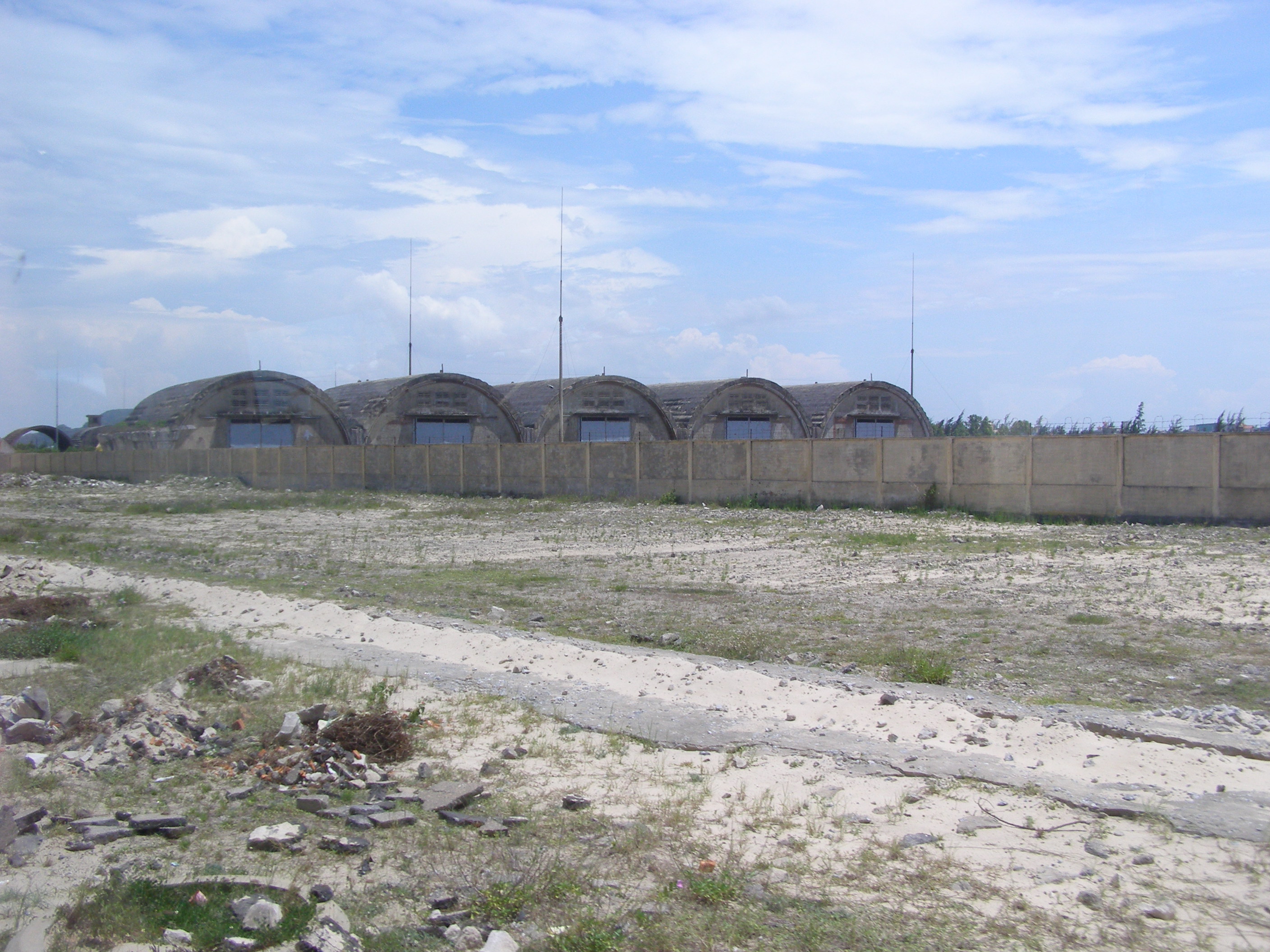
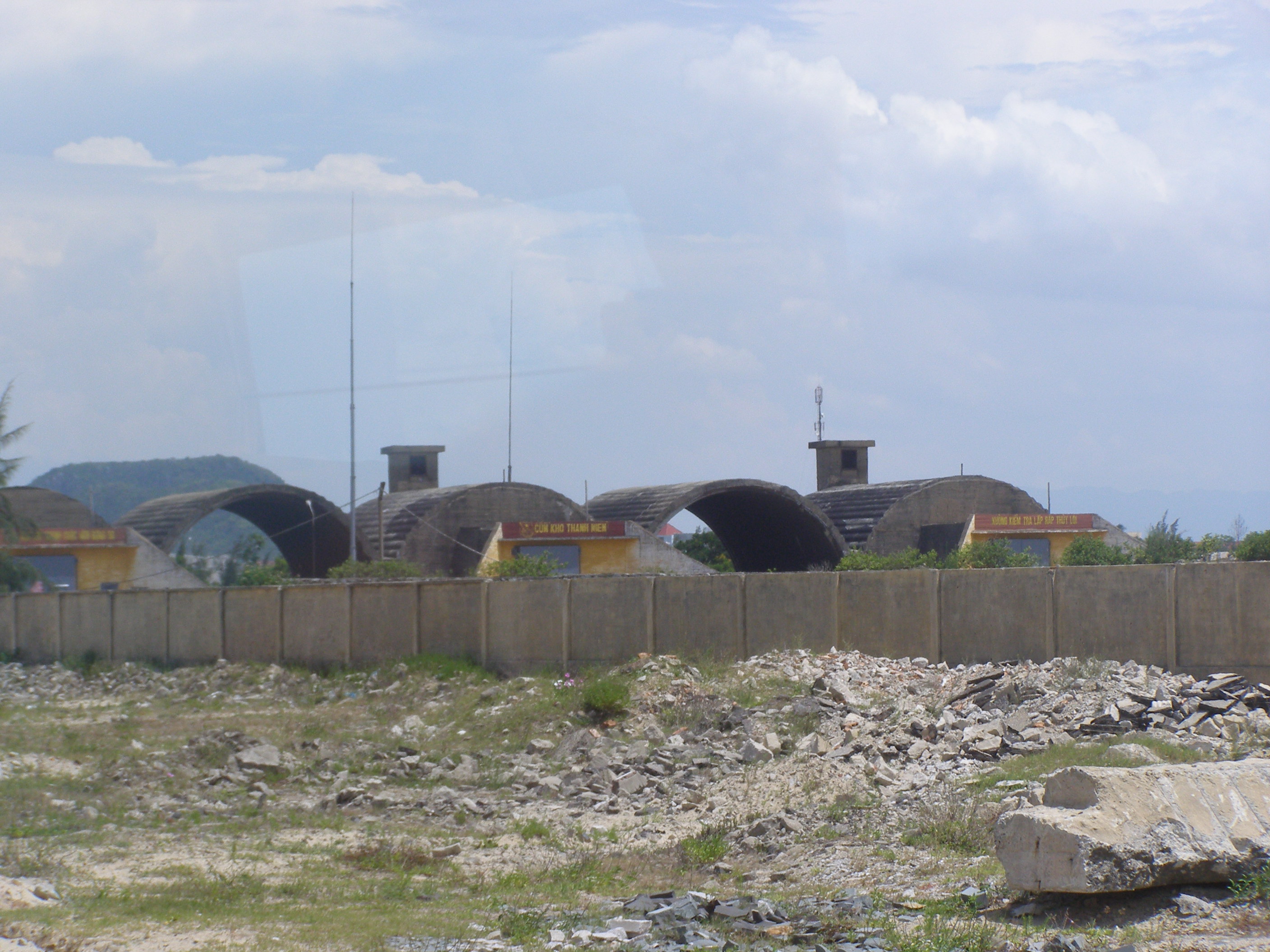
Da Nang sits in Central Vietnam 85 miles south of what was the border between South and North Vietnam. During the Vietnam War it was a major air base for the US and South Vietnamese forces that saw nearly 2,600 air operations per day. This was a greater number than any other airport in the world at the time. Cement hangers covered with camouflage netting protected the air craft from attack. Many of these remain, disused and decaying around the area of the current Da Nang airport which continues to use the runways that were in use during the war.
© irene waters 2015
© irene waters 2015
Da Nang fell to the Viet Cong on the 30th March 1975.
© irene waters 2015
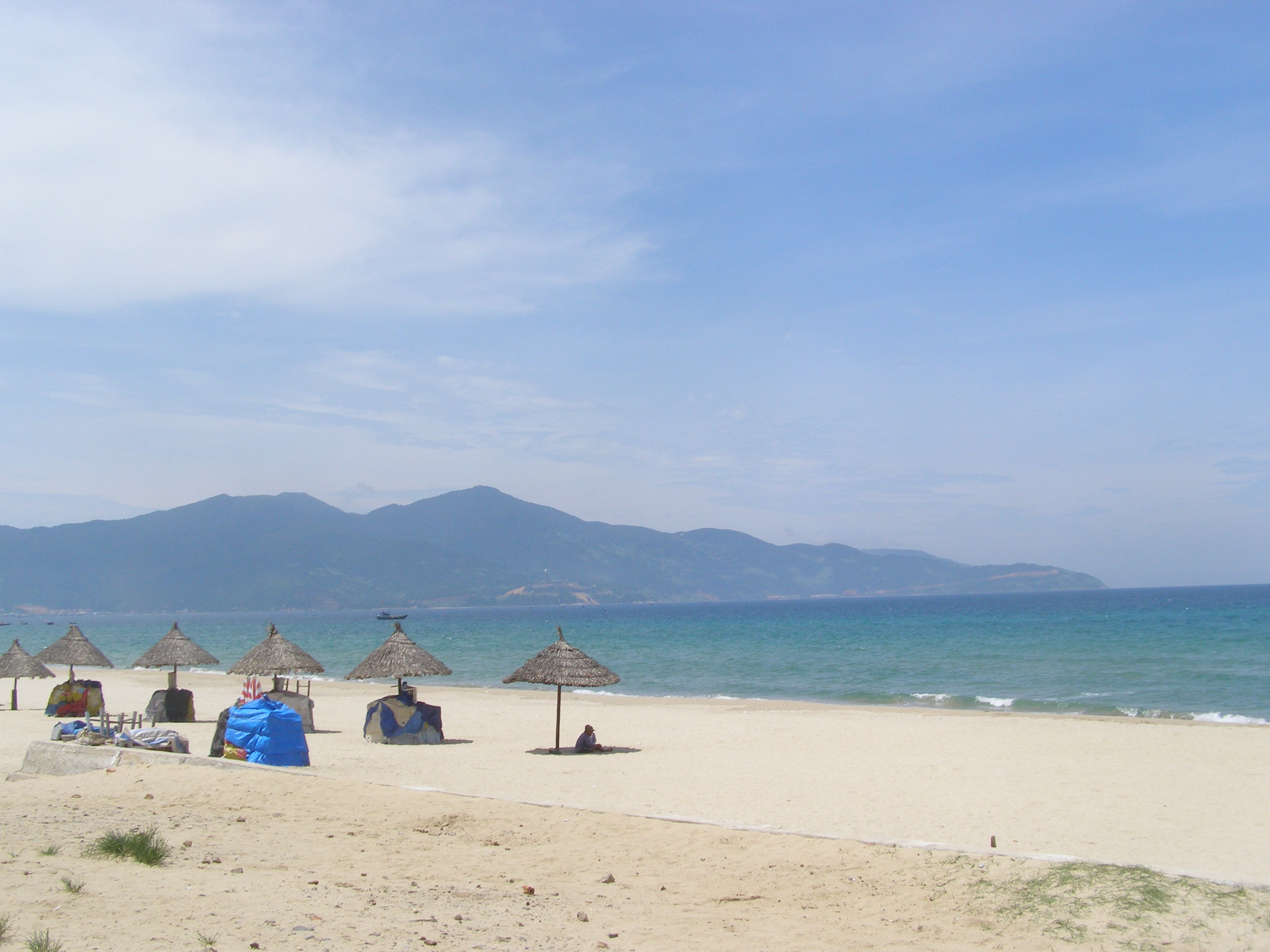
Da Nang was also the site of China beach where the American soldiers came for the R and R leave. The 30 kms of white sand beaches was a wonderful rest from the terrors of war despite being so close to the action. It allowed the decaying mind to recover before going back into a new style of war where the soldiers did not know who the enemy was and the jungle held terrors for them beyond belief. Many returned servicemen still suffer from the decay that set in to their psyche as a result of this.
© irene waters 2015
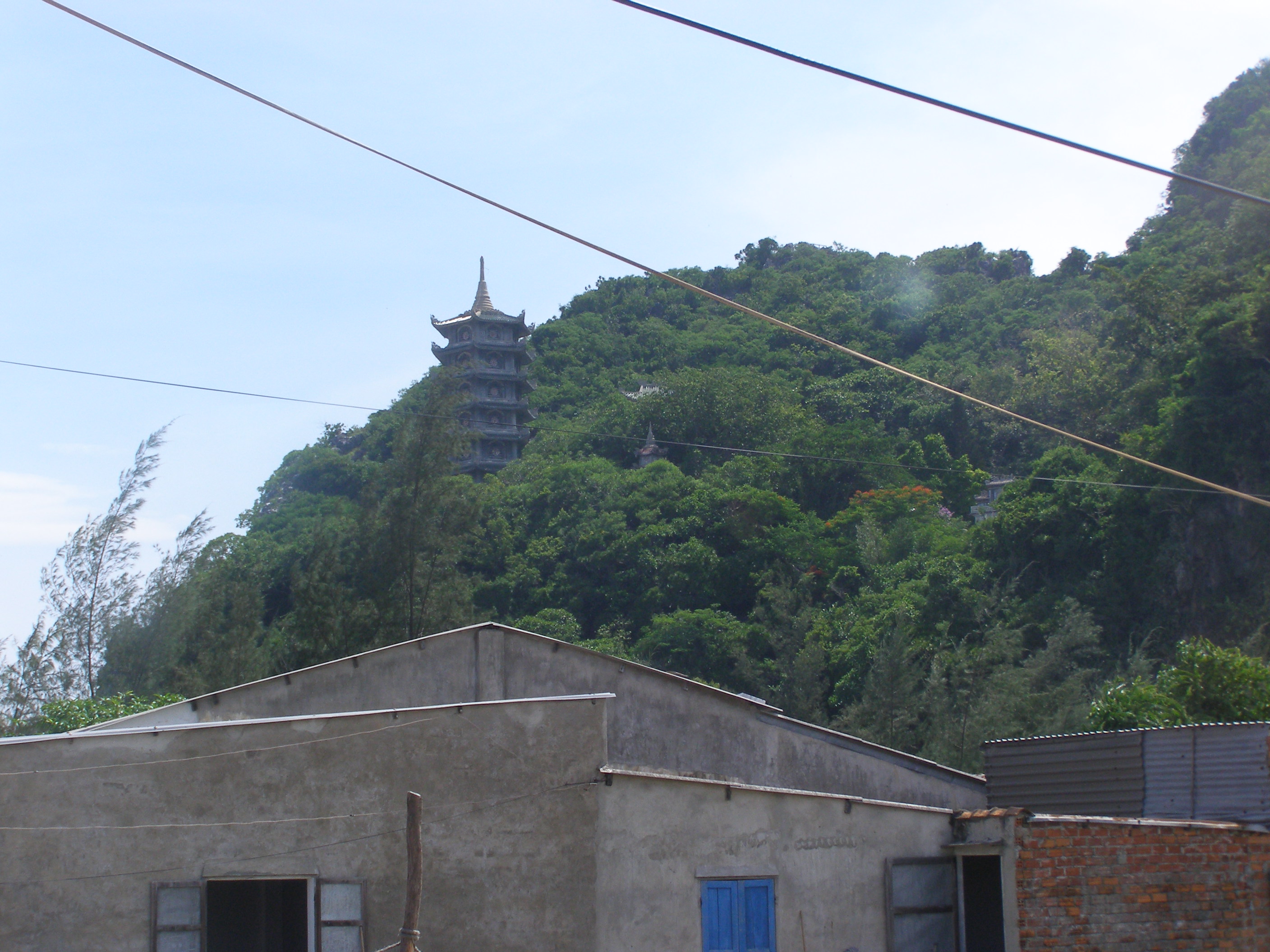
Prior to the war there were over 70 religious temples and structures near Da Nang the but many of these were badly damaged from bombing raids during the war and have since decayed. Approximately 20 survived and the site has been declared a UNESCO World Heritage site. On the Marble Mtns some of the pagodas still survive in this region that is famous for it marble artisans.

© irene waters 2015
 In response to Paula’s challenge












 Reflections and Nightmares- Irene A Waters (writer and memoirist)
Just like Paula’s post this also had beautiful photos and a sad story behind it.
LikeLiked by 1 person
Prior to seeing Paula’s photos I had planned on the decay of a dead tree. Her post stimulated me to thoughts of other types of decay which is indeed a sad past.
LikeLike
This is much more interesting than a dead tree. I’m glad Paula could inspire you.
LikeLiked by 1 person
Thanks
LikeLike
A site full of opposites and paradoxes. I wonder if these cement hangers will remain there as a monument to the war, or they will eventually get pulled down. Thank you for this carefully thought post, Irene.
LikeLiked by 1 person
Thank you for reading Paula. Your post nudged me this way where before reading yours I was thinking decay of a dead tree. The hangers will probably stay until they fall down or another use is found for them and they are repaired. Your buildings are a lot more tragic that they could have benefited so many and yet so much money was spent and wasted as the buildings were never completed.
LikeLiked by 1 person
Pingback: Thursday’s Special: DECAY | Lost in Translation
My husband (though we hadn’t yet met) spent his 21st birthday on a ship going to Vietnam and the next year of his life fighting in the very area you’re describing. I’d spent the same year here in the State protesting about the same war and US involvement in it. He hated the war and the military but loved the country and its people. Now the vestiges of that war are ugly decaying cements structures only a few miles from the coastline and mountains. Your photos capture so much. You can sense the presence of the people who live there even without a single image of a person. (Maybe one person huddled under an umbrella on the beach?) Great job, Irene.
LikeLiked by 1 person
Thanks Sharon. I hope your husband came home without the problems that many of the veterans here have had as a result. Our Vietnam veterans were treated abominably by the govt and also I hate to say by the public. It wasn’t their fault they fought but you wouldn’t have known it. We must be almost the same age as I remember the protest marches that were held here. The thing that amazed me on our visit there was that they didn’t hold it against us even though they called the was “The American War”.
LikeLike
It isn’t possible to come home from war without being affected because the human heart is vulnerable when witnessing pain and suffering. He seems more even keeled than many other vets, and he has a deep compassion for those in need. He doesn’t let someone else’s anger keep him from being kind or making a donation on behalf of worthy causes, of which he finds many.
LikeLiked by 1 person
No I don’t imagine it would be possible to be unaffected. I know how I feel watching things on the news that I can’t imagine how much worse it would be to be there in person. Your husband sounds as though he has a lovely nature.
LikeLike
Great photos and very interesting info
LikeLiked by 1 person
Thanks Raewyn.
LikeLike
What a great post and insight to Da Nang. My friend Kate lost her husband to injuries he suffered in Vietnam.
LikeLiked by 1 person
I’m sorry to hear about Kate’s husband. A hard time for a lot of people and continues to be so for many of the Vietnam Vets. It must be hard too for the Vietnamese although there didn’t appear on the surface that they held any grudges although the war was called the “American war” not the “Vietnam War.”
LikeLike