© irene waters 2018
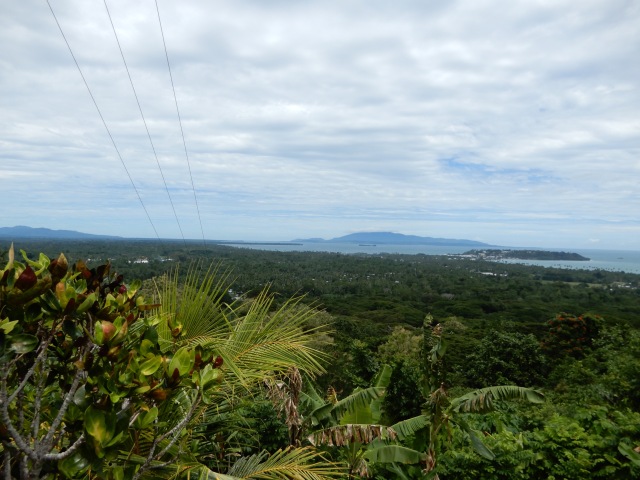
We were lucky in Weewak, the capital of Papua New Guinea’s East Sepik Province, to pick up a local girl in a brand new dual cab. Not only did we have the best guide on the island but in air conditioned comfort. The girl turned out to be the daughter of a kamakaze pilot who was lucky that the war ended before he had to suicide. At 96 he still lives in Weewak and hosts an annual pilgrimage from Japan to remember those lost and another that comes yearly searching for bones and other war wreckage. She took us to the top of Mission Hill where a monument to the soldiers is found. The Japanese used this as a lookout being able to see Milne Bay and any ships entering.

© irene waters 2018
Occupied by the Japanese during the war the foliage gave perfect hiding spot for the heavy artillery.

© irene waters 2018

© irene waters 2018

© irene waters 2018

© irene waters 2018
In Rabaul the Japanese built over 300 miles of underground tunnels, an engineering feat designed to conceal munitions stores, hospitals and more.

© irene waters 2018

© irene waters 2018
Remanants of a couple of japanes fighter planes. Prior to the volcanic erruptions of 1994, which half buried these relics in ash, they were in better condition (well as well as could be expected for a plane that has been shot down.

© irene waters 2018

© irene waters 2018

© irene waters 2018
On Kiriwina Island we had relics of a different kind to look at.

© irene waters 2018
I don’t know that these are genuinely the remains of local people who fought and died in World War II. I think it much more likely that these are local remains, possibly in the resting place they have always been but the local people, poverty stricken, have discovered a new way to part the tourist from his dollar.

© irene waters 2018
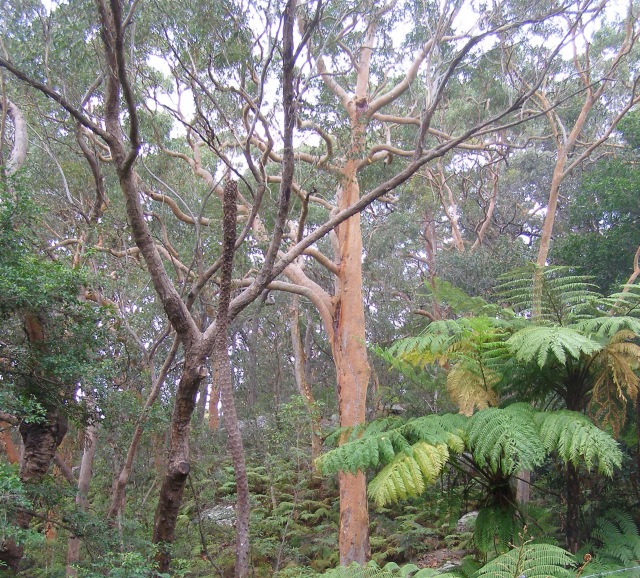
In a country where vegetation grows quickly there are still traces of the past to be seen.
In response to Paula’s Traces of the Past – A Thursday’s Special Prompt