© irene waters 2016
© irene waters 2016
© irene waters 2016
© irene waters 2016
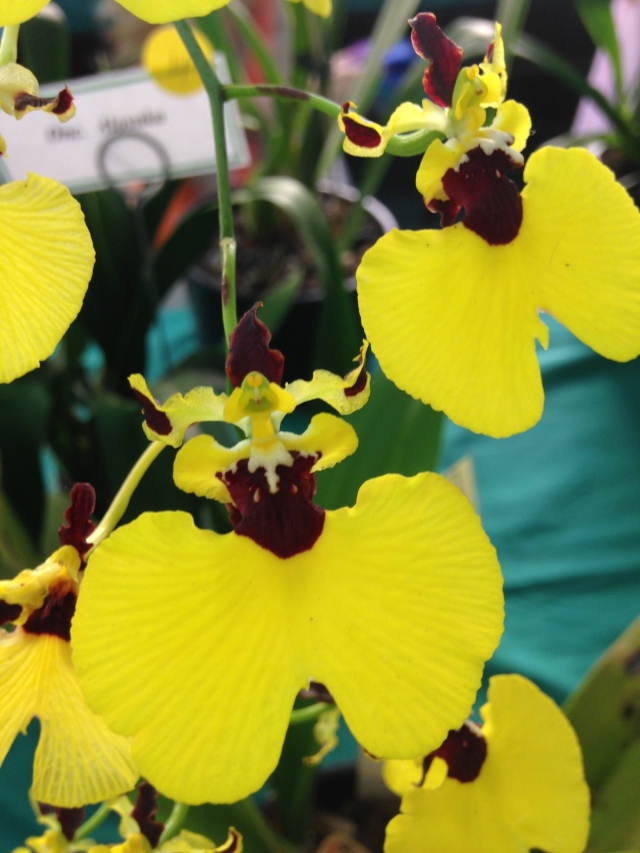
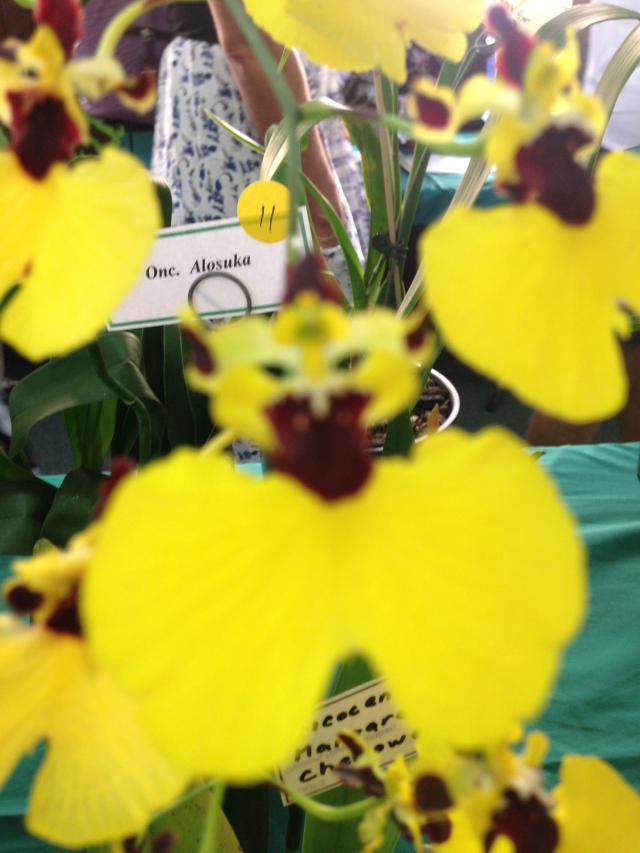
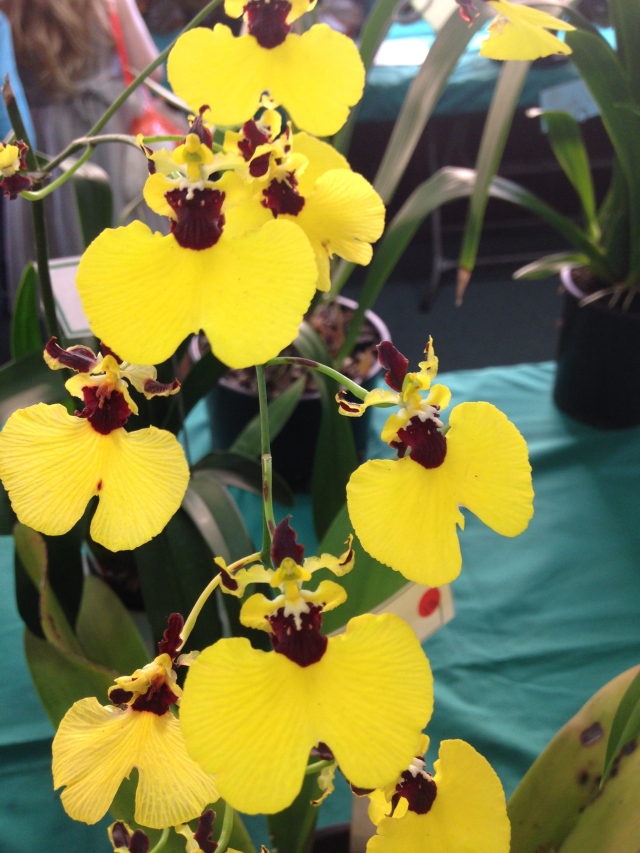
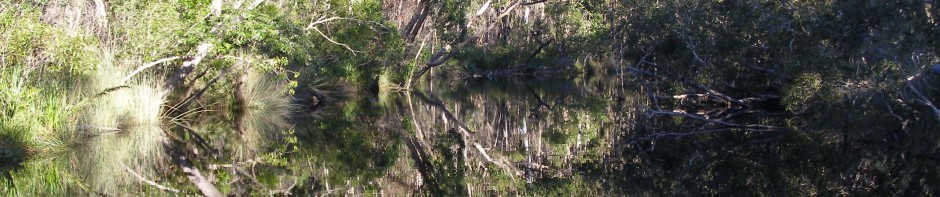
Red bearded face
devilish eyes, pointy ears,
sunny wings : Mimi?
© irene waters 2016
© irene waters 2016
© irene waters 2016
© irene waters 2016
Red bearded face
devilish eyes, pointy ears,
sunny wings : Mimi?
© irene waters 2016
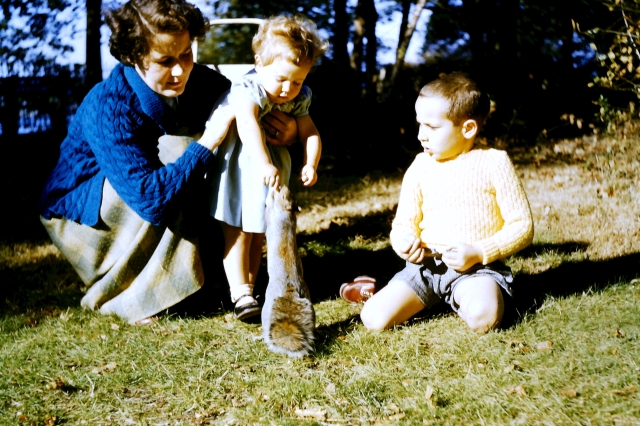
“Mummy I want to feed the squirrel too?”
“In a minute Sebastian. It’s Louisa’s turn.”
“Mummy look at how he’s curled his tail up.”
“That’s how he got his name. It comes from two Greek words meaning shadow tail.”
“Look Mummy. He does have a shadow. Look. But Daddy doesn’t have a tail.”
“What do you mean Sebastian? Why would Daddy have a tail?”
“Cause I heard you tell Mr Donnelly…”
“Uncle Fred, Sebastian.”
“But he’s not our uncle. Okay. I heard you tell Uncle Fred that Daddy had squirrelled away and that was why we’re poor and Daddy’s gone.”
In response to Charli’s prompt where she asks us:
May 18, 2016 prompt: In 99 words (no more, no less) write a story that features a squirrel. It can be about a squirrel, for a squirrel or by a squirrel. Think nutty, naturalistic, dinner or ironic. Go where the prompt leads and don’t forget to twirl with imagination.
Respond by May 24, 2016 to be included in the weekly compilation.Rules are here. All writers are welcome!

© irene waters 2016

© irene waters 2016

© irene waters 2016
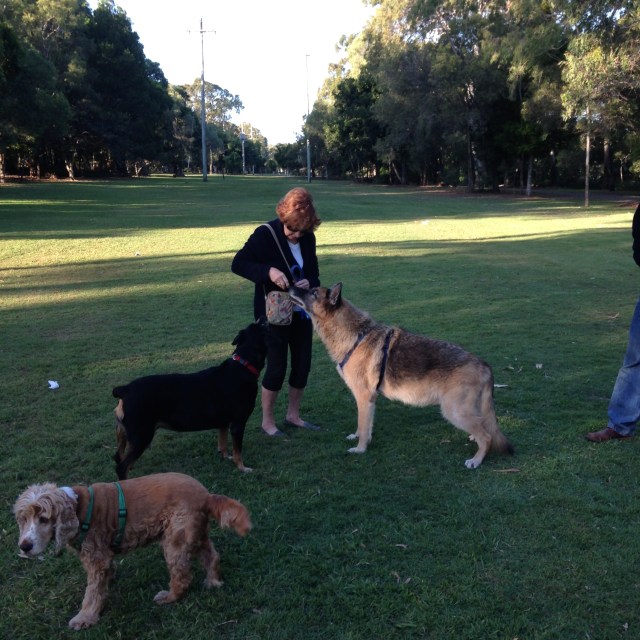
Through the generations children have played in parks

© irene waters 2016
Walked dogs
© irene waters 2016

© irene waters 2016
and enjoyed the shrubbery.

© irene waters 2016

© irene waters 2016

© irene waters 2016
Parks are places to picnic

© irene waters 2016
exercise or relax and enjoy the view.

© irene waters 2016

© irene waters 2016
There are deer parks

© irene waters 2016
and caravan parks

© irene waters 2016
Parks by the beach

© irene waters 2016
and parks by the river.

© irene waters 2016
One of my favourite city parks has a pool in the middle. Most of all parks are for people to enjoy green space out in the open air. A place one can refresh and re-energise.
In response to Paula’s Thursday’s Special
© irene waters 2016
This prehistoric seed-bearing plant
lived when dinosaurs roamed
It’s not a palm
but an unrelated cycad tree

© irene waters 2016
Not to anchor tents though welcome it would be
but rather to jump off the cliff
Attached by ropes
Yes an abeseil anchor it be.
© irene waters 2016
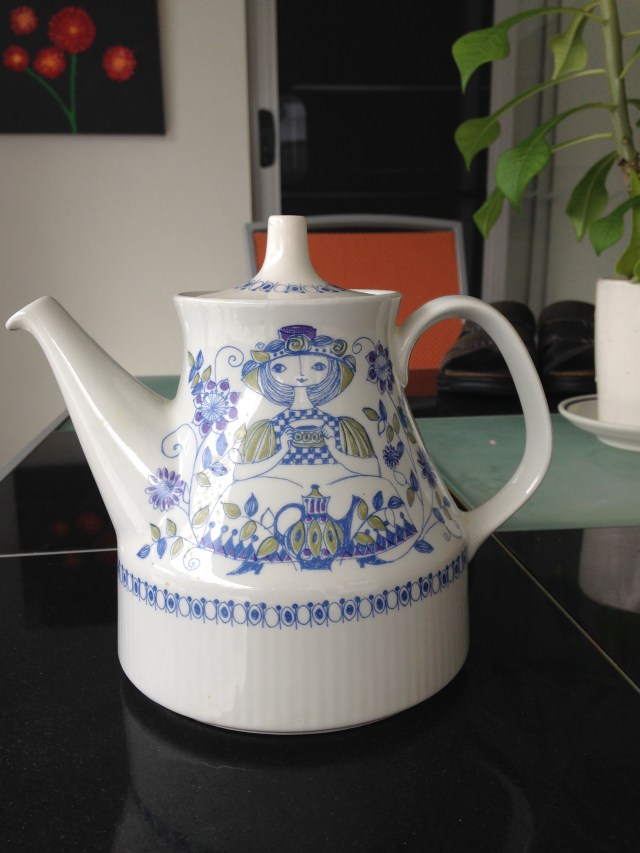
The inside of my teapot
Hosts what look like a map of Australia
although a little skewiff
It came from Norway so perhaps it is understandable.

© irene waters 2016
Cee got this right
A llama own those teeth
And what a face to go with those choppers.
© irene waters 2016
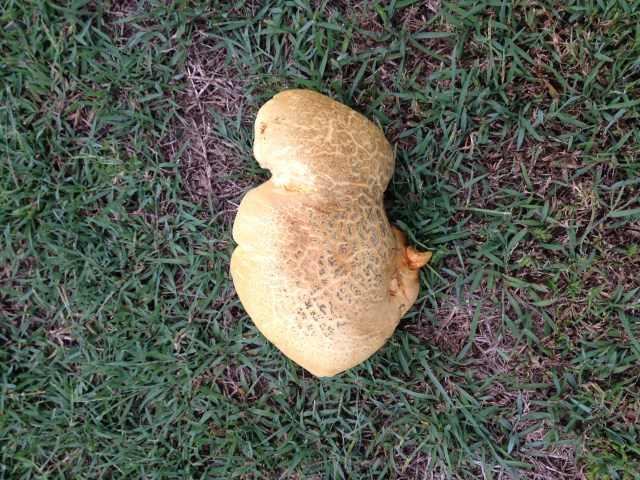
The under side of this fungi was shown
Its edges wonderfully rounded

© irene waters 2016
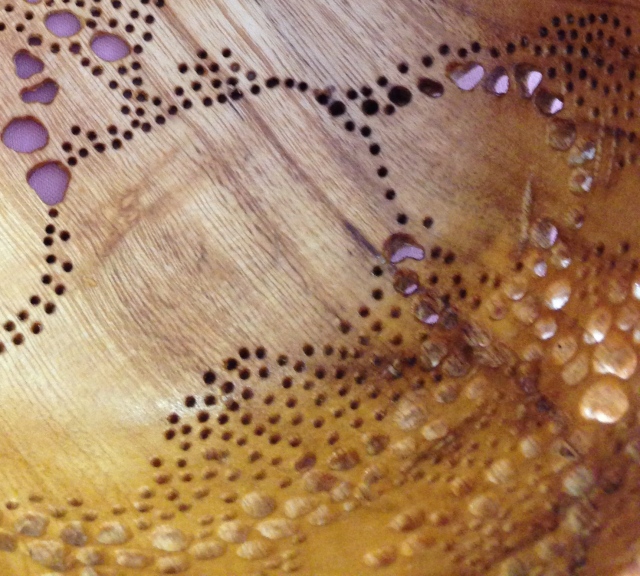
just like this bowl
turned to perfection.

© irene waters 2016
But Muffin’s blue remains a mystery.
These are the answers that were posed to Cee’s fun foto challenge.

© irene waters 2016
What’s This?
Well you might ask
A riddle from nature to be solved.
© irene waters 2016
What’s this?
a ring surrounded by red

© irene waters 2016
What’s this?
With a poor map of Australia shining out

© irene waters 2016
If you are saying a horse
Ask again
What’s this?

© irene waters 2016
What’s this?
You may well know
© irene waters 2016
And this little beauty
Have the borer’s been at work
No ask again
What’s this?

© irene waters 2016
The question though
I want answered please
Is why has Muffin
Turned blue at the belly and knees.
She’s far too young to join the blue rinse set.
In response to Cee’s Fun Foto Challenge

© irene waters 2016
Last week I wrote about who memoirs are about – the ‘I’ characters that are found within the narrative. This week I ask what is memoir about? You may say it is about a personal experience. Something that happened to you. It is about an experience that the ‘I’ character has had. However, the experience is far from being a personal event and if you and I were to have the same experience, my experience is going to be different to your experience because each experience is a constructed reconstruct, altered by memory and the language used to relate it. How then do we have an experience?
There are five ways that the experience is created for the ‘I’ character in memoir.
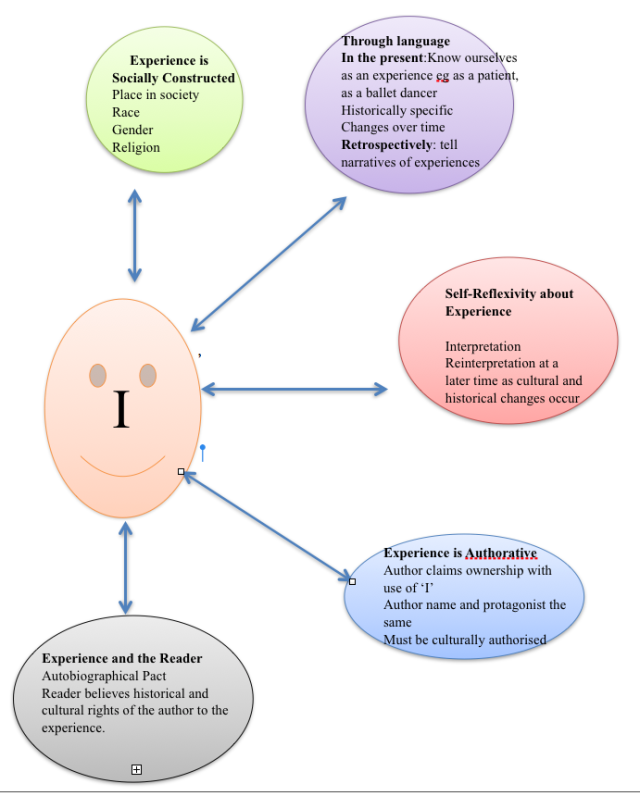
The first is determined socially and historically. Our place in society will have a huge effect on how we view an experience and are part of an experience, both culturally and within the class systems which give us differing tastes and subjective viewpoints. Society will also determine the identity that is given to the ‘I’ character. For example, they will recognise themselves as male or female, Australian aborigine or Jewish, rich or poor, heterosexual or homosexual and, their individual experience will be attached to these social identities.
Secondly language will create an experience as the ‘I’ becomes attached to labels created by institutions and within the course of a day the ‘I’ may have known experience in multiple ways. For example as a scholar, dancer, wife and patient. As language changes over time and is historically specific, these meanings will alter. Language is also necessary in order to retrospectively turn the internal feelings, spirituality, bodily needs and emotions into narrative, so that meaning can be derived from it.
Experience is also self-reflexive. This means that we add our interpretations to it, with the ability to change these interpretations over time as cultural or historical change occurs.
The ‘I’ must also be able to claim ownership of the experience, that is, it must be a truthful account of the memory of the self. There have been examples where experience has been found to be fraudulent such as in the James Frey case where he claimed time in prison that he didn’t have. The ‘I’ must also be culturally authorised to tell the experience so if the memoir is about, for example, an aboriginal woman, the narrating ‘I’ must be an aboriginal woman. An example of this was the memoir written by Chief Buffalo Child Long Lance who wrote as the son of an Cherokee Chief but was eventually exposed, as not being a full blood cherokee but rather an African American. Another fraud by Misha Defonseca tells the unbelievable yet inspiring tale of a Jewish girl searching for her parents, her life with a wolf pack, the long trek from Belgium to the Ukraine and back again. It turned out to be totally untrue and the author was actually of Belgian catholic heritage.
Finally there is the experience and the reader. There is a pact between the reader and the author, coined in 1975 the “autobiographical pact” by Philippe Lejeune. Here the reader on seeing the author and the protagonist having the same name consume the narrative believing that the narrative is the cultural and historical truth of the author and that the author is authorised to relate the experience. The reader has expectations and although they are accepting of the kinds of inconsistencies that we all have without our own memories, intentional fraud is not acceptable. Additionally, readers will bring their own culture, social standing and language to give their own interpretation of the narrated experience.
For more on the creation of experience see Sidonie Smith and Julia Watson explanation in their book “Reading Autobiography”.
Essential to the relating of the self and the experience being told is memory. But is memory infallible? The subject for a later Memoir on Monday, memoir discussion started by Lisa

© irene waters 2016
© irene waters 2016

© irene waters 2016

© irene waters 2016
© irene waters 2016
© irene waters 2016
© irene waters 2016
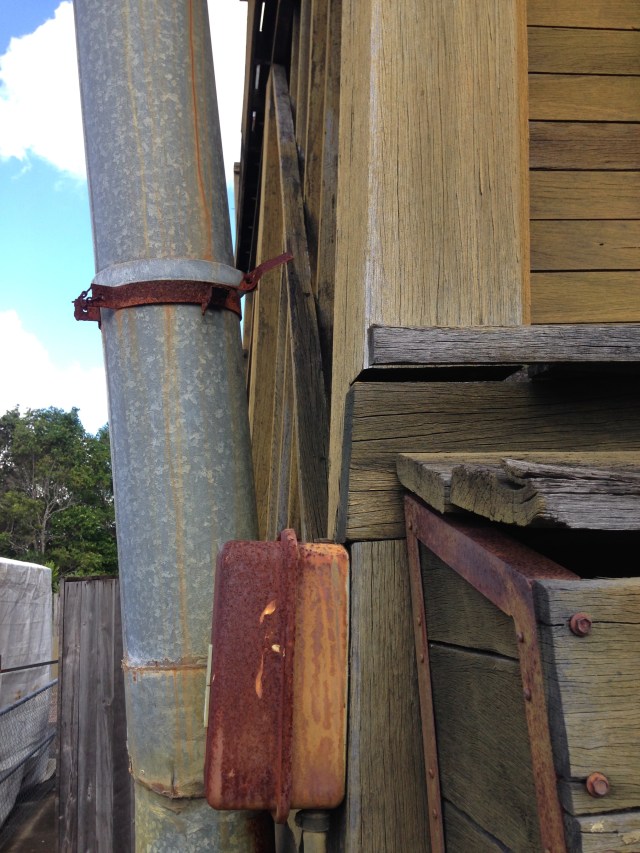
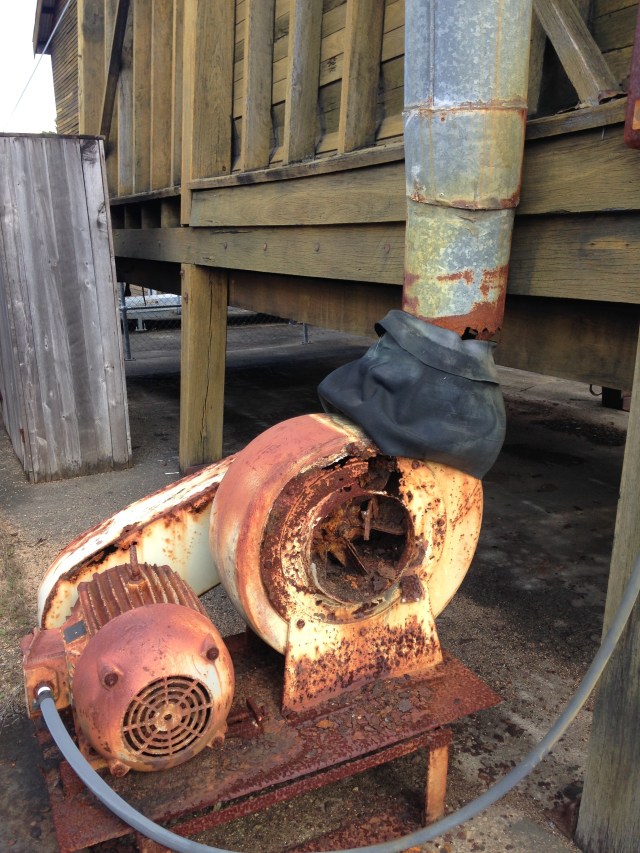
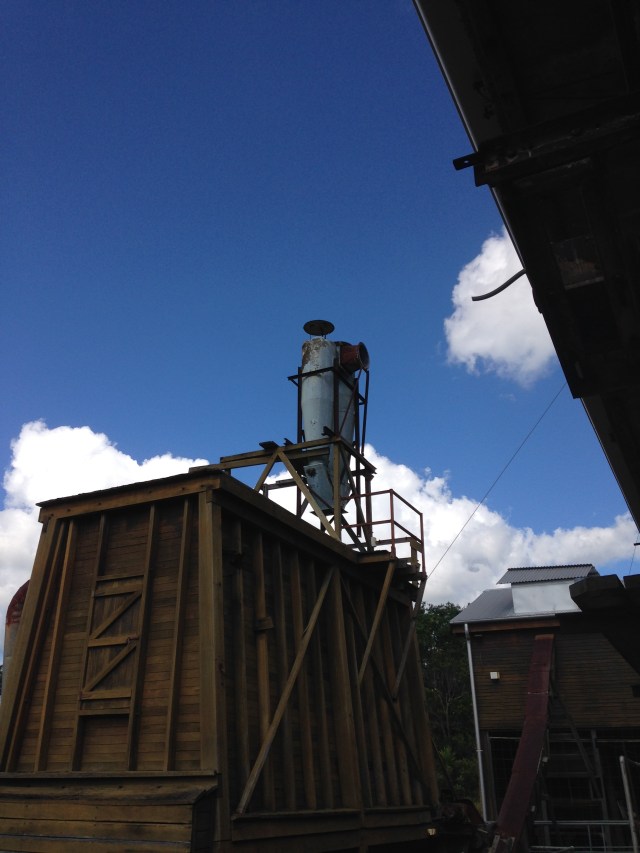
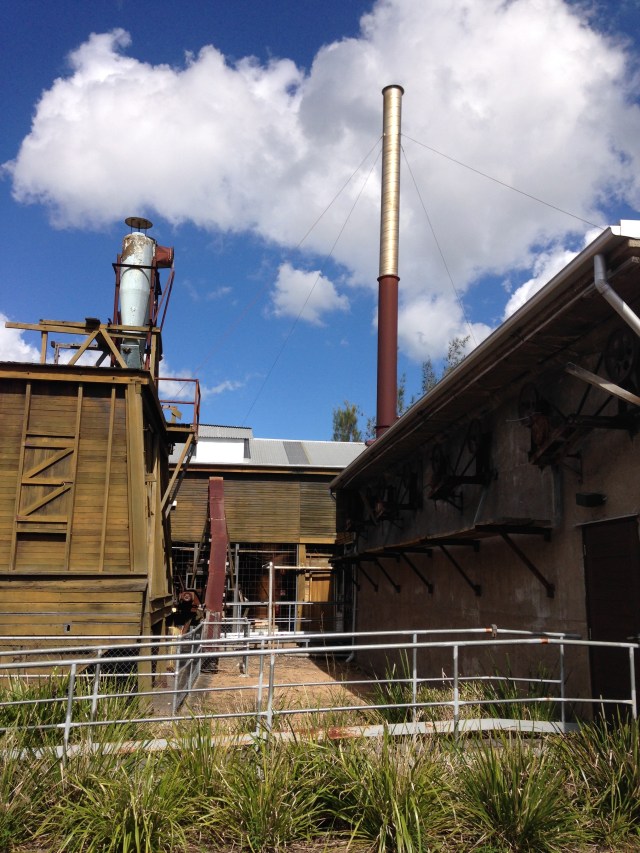
In response to Cee’s Odd Ball Challenge

© irene waters 2016
A week was all it took. Monday they replaced her on the waterways biodiversity committee. Tuesday spilt coffee destroyed the water-table salinity report and her error had deleted the original on her computer. Wednesday her boss had words. Thursday she jammed the printer. Friday she worked whilst her office mates went to lunch. Saturday her fiancé called off the engagement. Sunday it rained but she’d forgotten to bring her files home to work on. Her confidence eroded she drank a bottle of wine.
Monday, rain unrelenting she ordered the opening of the spillway, creating mayhem with flooding and erosion.

© irene waters 2016
In response to Charli’s prompt where she asks:
May 11, 2016 prompt: In 99 words (no more, no less) write a story, using the power of erosion. It can be natural, cultural or something different. Is the force personified or does it add to the overall tone? You can use the word in its variations, or avoid the word and write its action.
Respond by May 17, 2016 to be included in the weekly compilation.Rules are here. All writers are welcome!

© irene waters 2016


 | Big Mouse on Layers |
 | Irene Waters 19 Writ… on Radio Quiz Kid – My… |
 | Kim on Radio Quiz Kid – My… |
 | Friday-Flashback-Pre… on Cee’s Fun Foto Challenge:… |
 | THURSDAY’S SPE… on Over: Thursday’s Special |










SHORTS, NOVELS, AND OTHER THINGS
Traveling Fashion Designers 🌼
My experience of breast cancer diagnosis and playing the shit cancer gameshow
USA Today Bestselling Author
Daily tips for success, business, lifestyles, self-esteem,...
Having fun blogging with friends
A Galaxy of Thoughts and Creativity
Tools, Dials & unexpected Levers
Writing, Publishing, and Marketing Ideas
Writing Fiction and Running Miles! That goes together, right?
Short Stories and Poems - Mostly dark ones!
stories, photographs, adventures...the next chapter
Watch Your Thoughts; They Become Words
Connecting Authors and Readers
Author of The Sound of Water and other books
poetry, prose n pics
Daily Living in the Heart of Dixie
When you choose an alternative lifestyle with no idea what you're doing and make it up as you go.

