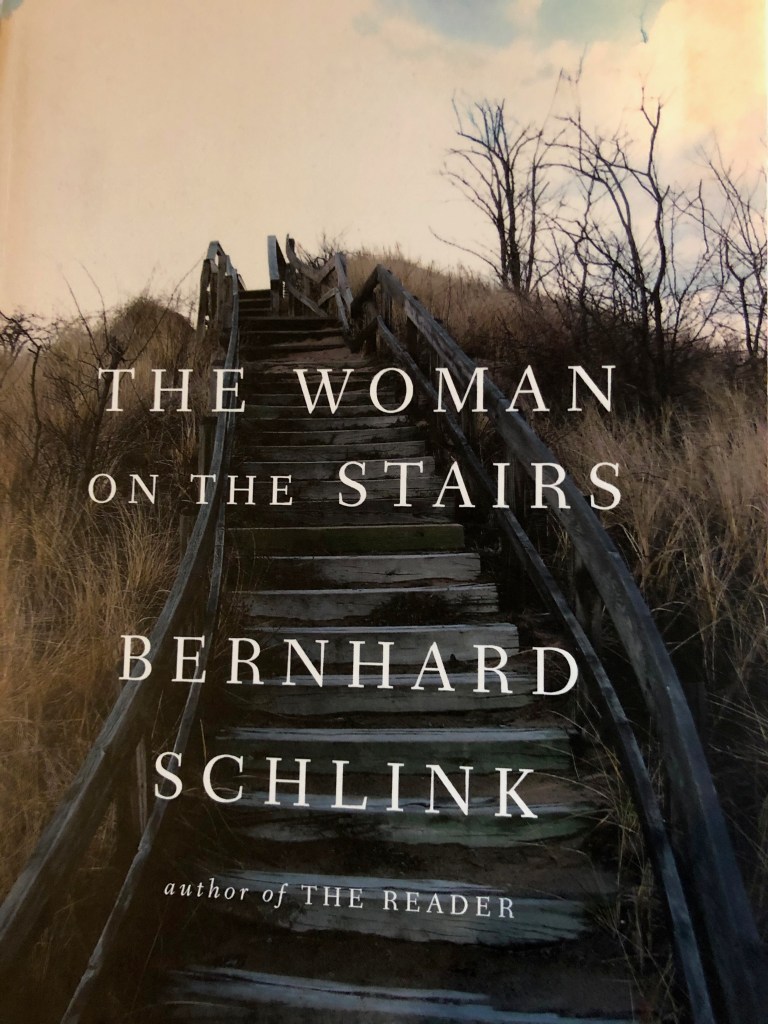
SChlink’s novel The Woman on the Stairs was translated from the German by Joyce Hackett and Bradley Schmidt. The story is about love – obsessive and enduring and creativity.
The story starts in Sydney where a middle aged lawyer comes across a painting which was thought to be lost of “The woman on the Stairs” and it reignites a time at the beginning of his career in Germany. The artist Schwind, commissioned by Gundlach to paint his wife, falls in love with her. The love triangle is complicated when the lawyer, representing Schwind in a disagreement with Gundlach, also falls in love with Irene, the woman on the Stairs.
Irene leaves Gundlach for Schwind and again the lawyer becomes involved in the deal to return Irene to her husband. Schwind wants the painting back Gundlach wants Irene. The lawyer alerts Irene and persuades her to go with him, taking the painting with her. Irene leaves them all and isn’t heard of again until the painting resurfaces.
The unnamed narrator delays his return to Germany in order to find the annonymous donor of the painting whom he assumes is Irene. He finds her in an isolated place on the coast north of Sydney. Lured by the painting Gundlach and Schwind also arrive. You’ll have to read it for the outcome and I won’t spoil it for you.
The lawyer – the narrator is a workaholic, disconnected from the world and we remain disconnected from him although we see the world through his eyes as he describes the landscape to us but in a way that doesn’t give us a sense of place yet we know exactly where we are for example on a ferry trip on the harbour he says:
The ferry went past a small island, fortified long ago for an imaginary war with some imaginary enemy, past rusty, gray, bobbing warships, past waterfront houses where life was cheerful and light, past woods, a swimming beach here and there, and a marina.
This leaves us with no doubt as to where we are and knowing Sydney Harbour I know that the small island is Fort Dennison but the lack of detail and emotion serves to demonstrate how disconnected the lawyer is from the world. When his wife died he continued to work. The only impetuous moment in his life was his dealing with Irene.
Unlike the lawyer the other characters are well drawn and I would say it is a character driven work. There are a number of questions that the reader ponders such as what is the crime that Irene committed. Some of these questions are answered at the end whilst others linger.
Would I recommend this book – I think it would make a great film and I enjoyed reading it so yes – I would say it is worth a read although I don’t know how much enjoyment I got from knowing the setting.
The author is a lawyer who works between Germany and the USA. The inspiration for the painting is Ema – Nude on a Staircase painted by Gerhard Richter which is held in the NSW Art Gallery.
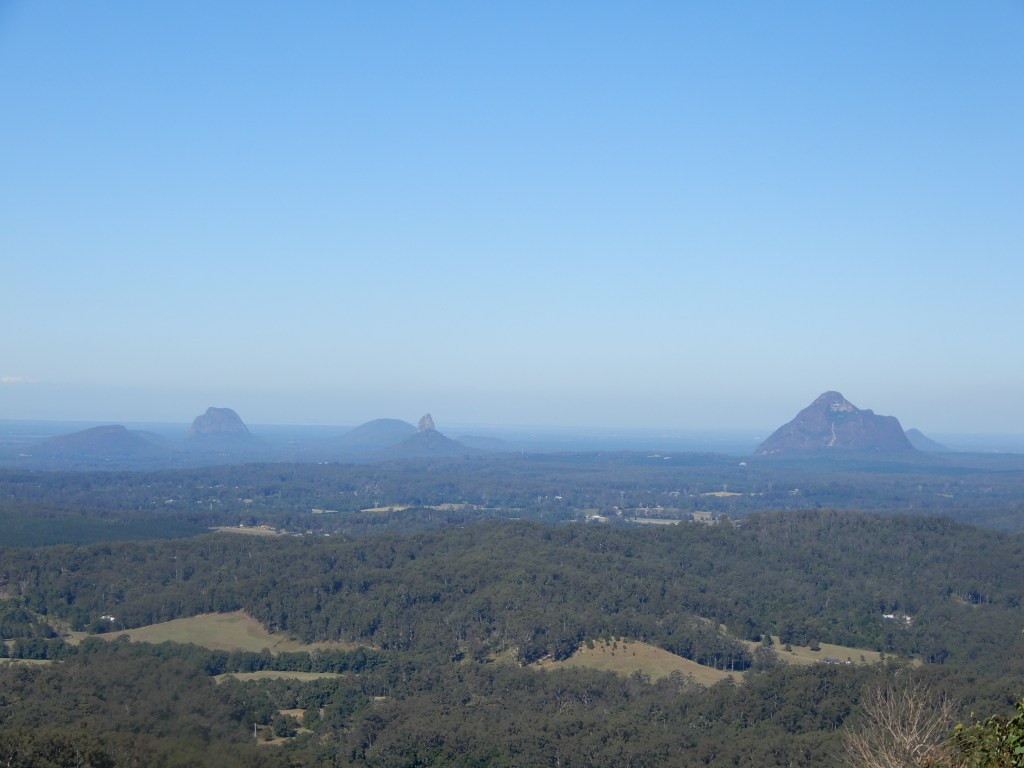
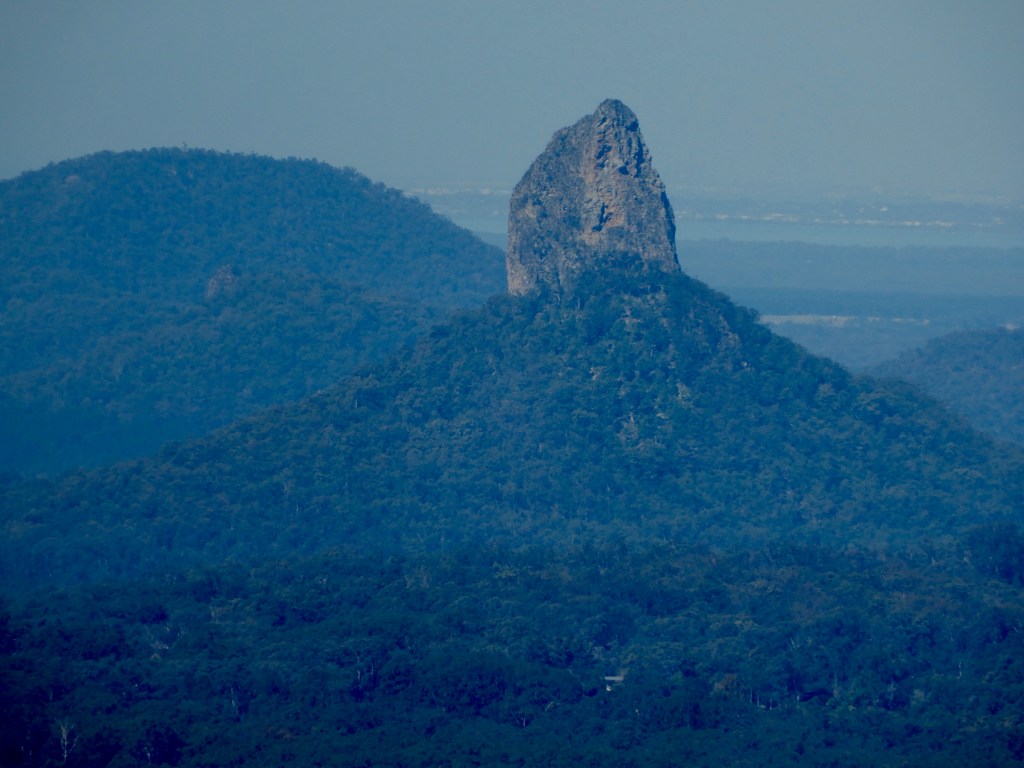
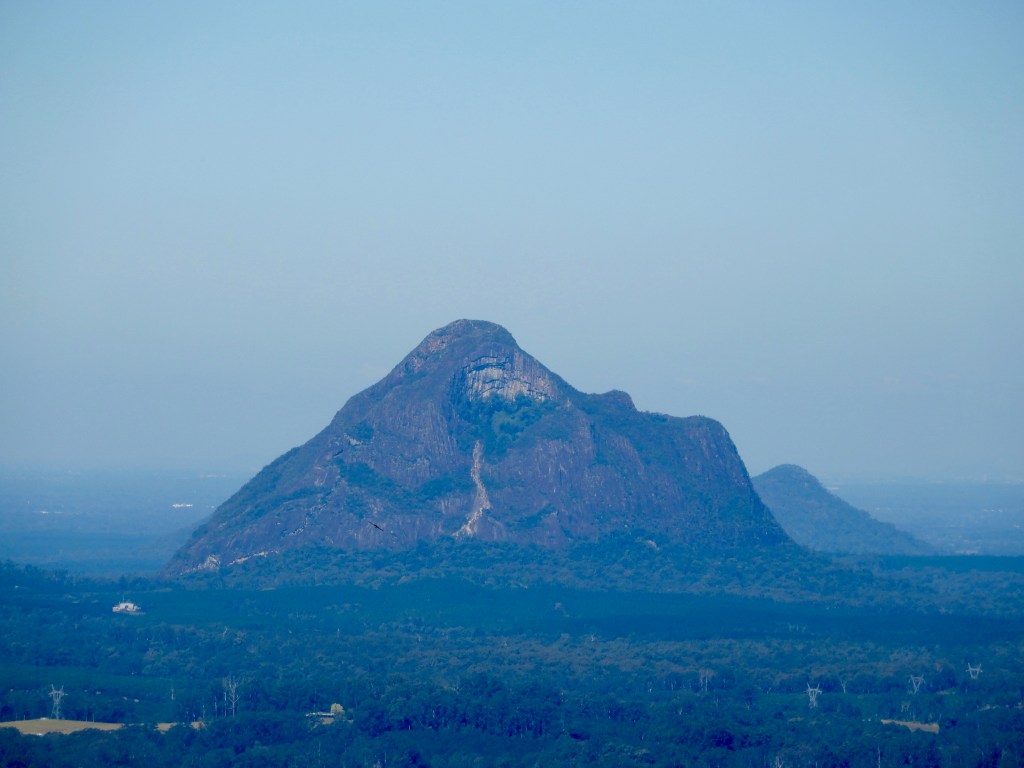
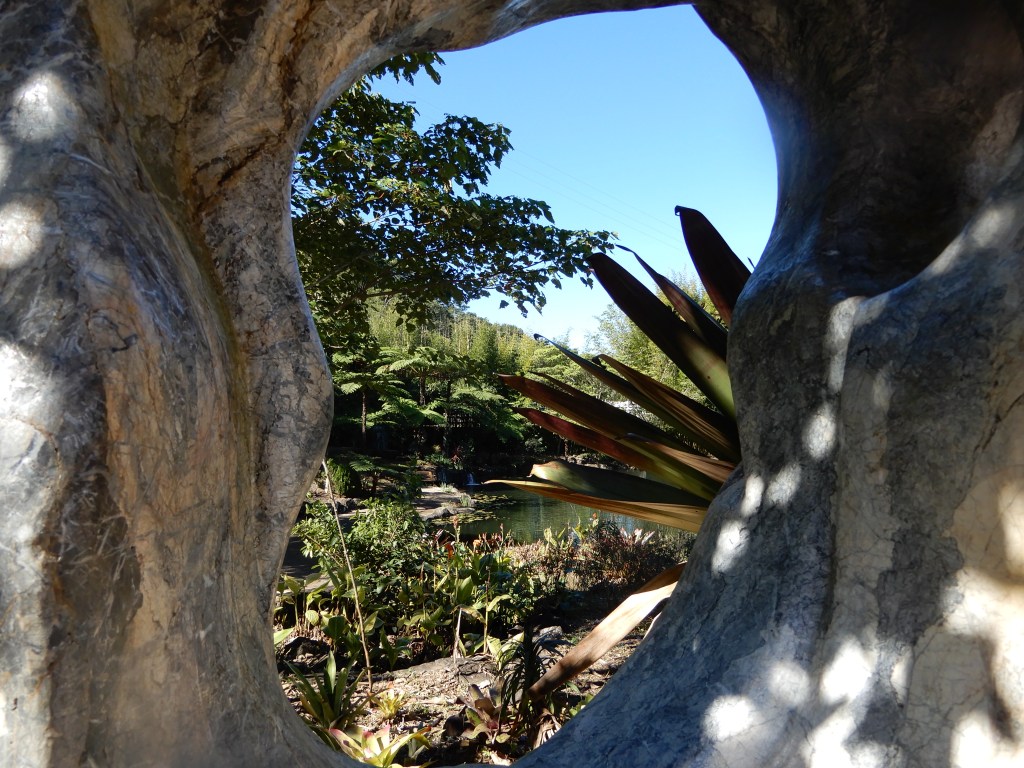
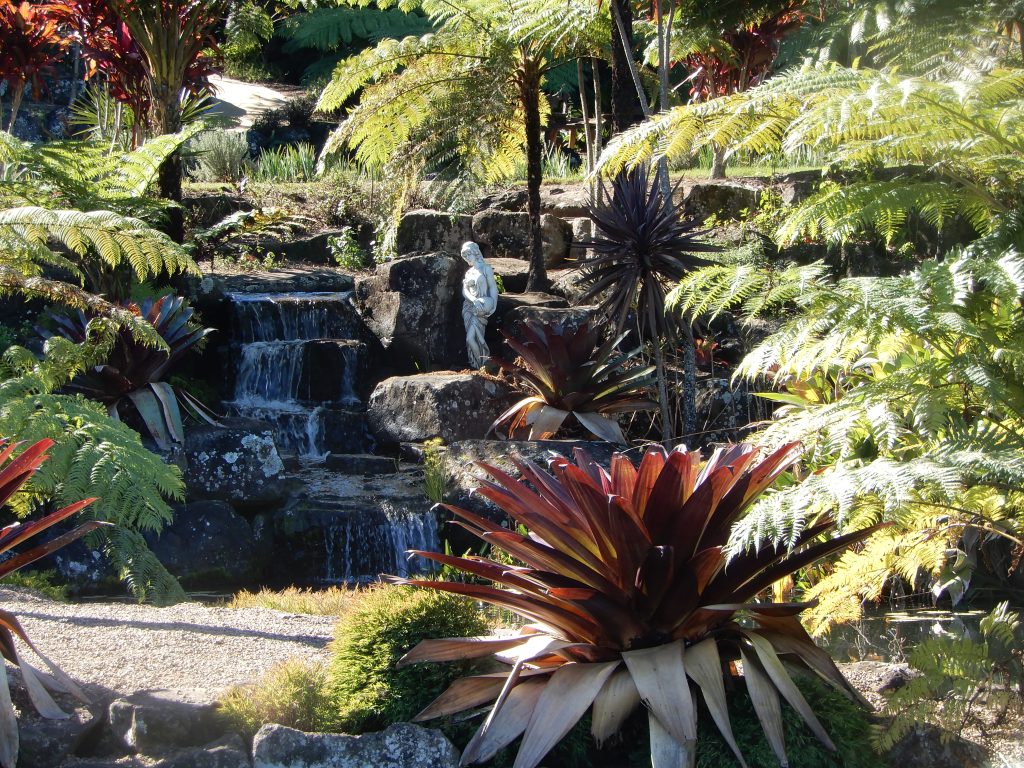
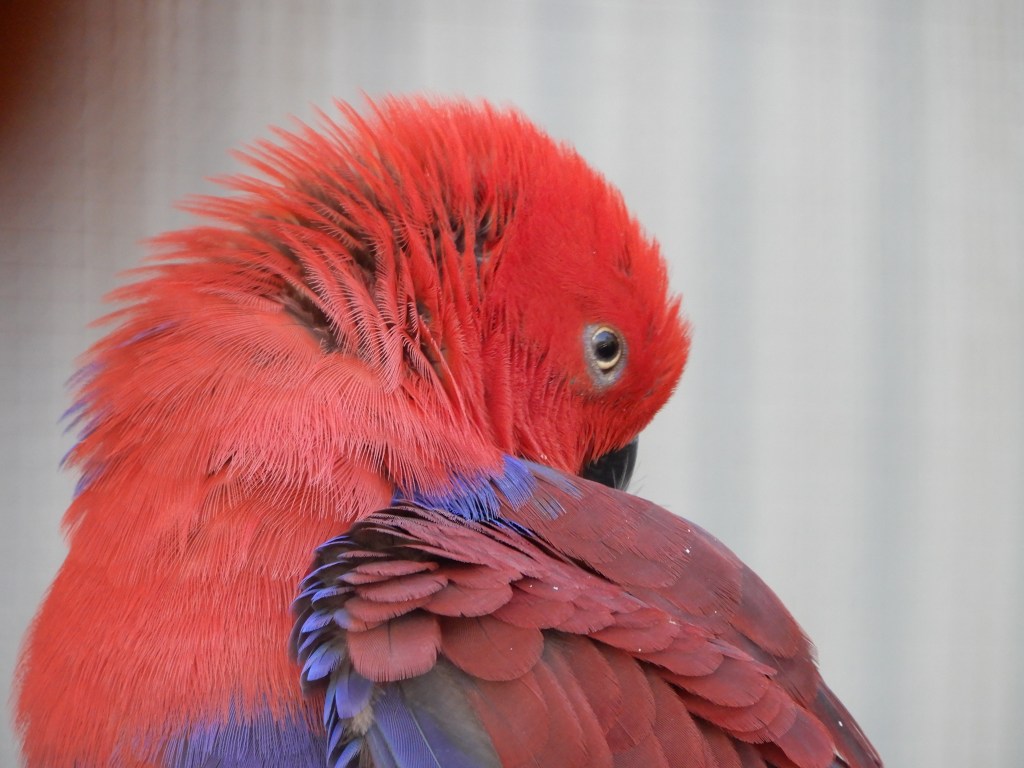
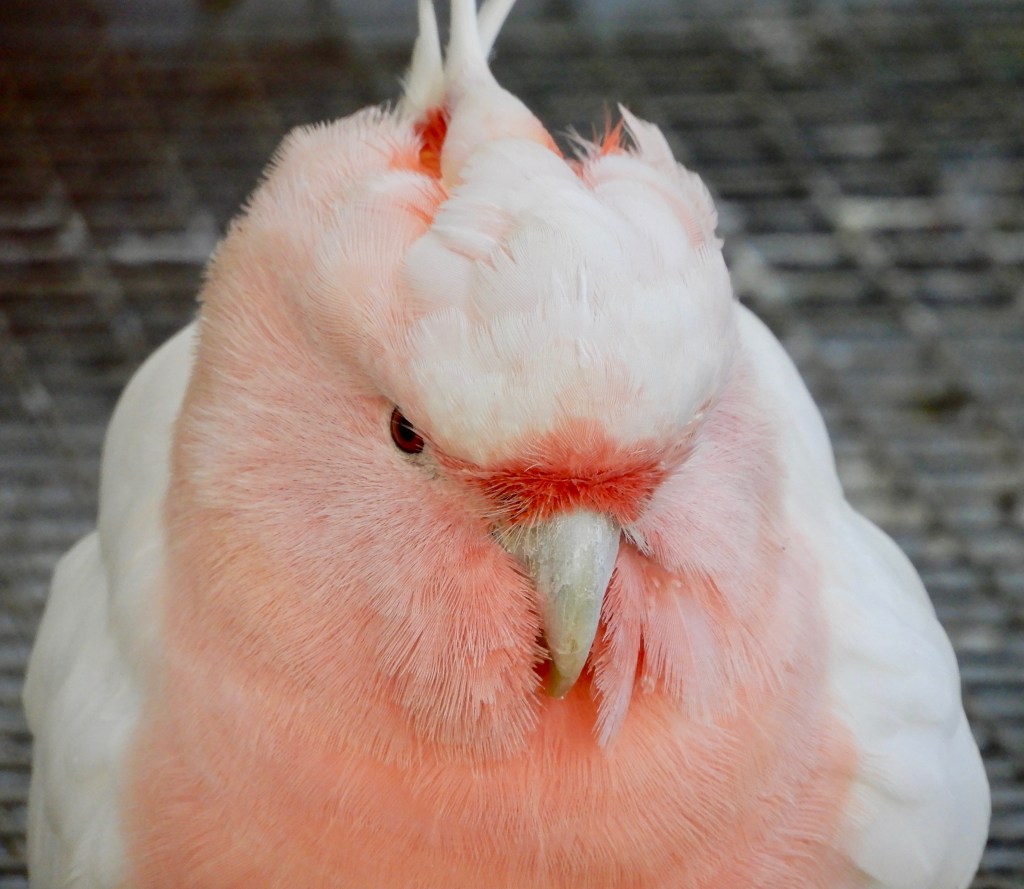
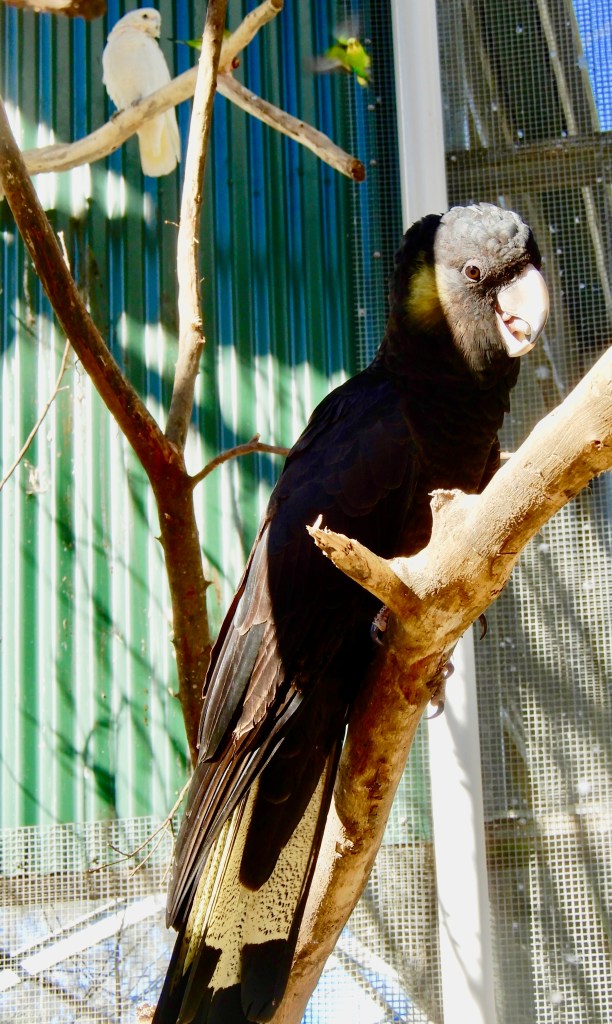
Maleny Botanical Gardens and Bird World is a wonderful place to visit. Superb views of the Glass House Mountains are to be had from within the gardens. The mountains are so named because Captain Cook was reminded of glasshouses back in England when he first saw them.
The last time we visited it was with Roger’s family from Germany, this time with mine from Switzerland. Although the gardens are beautiful it is the birds that stay in your memory – this time for devastating (at least for me) reasons.
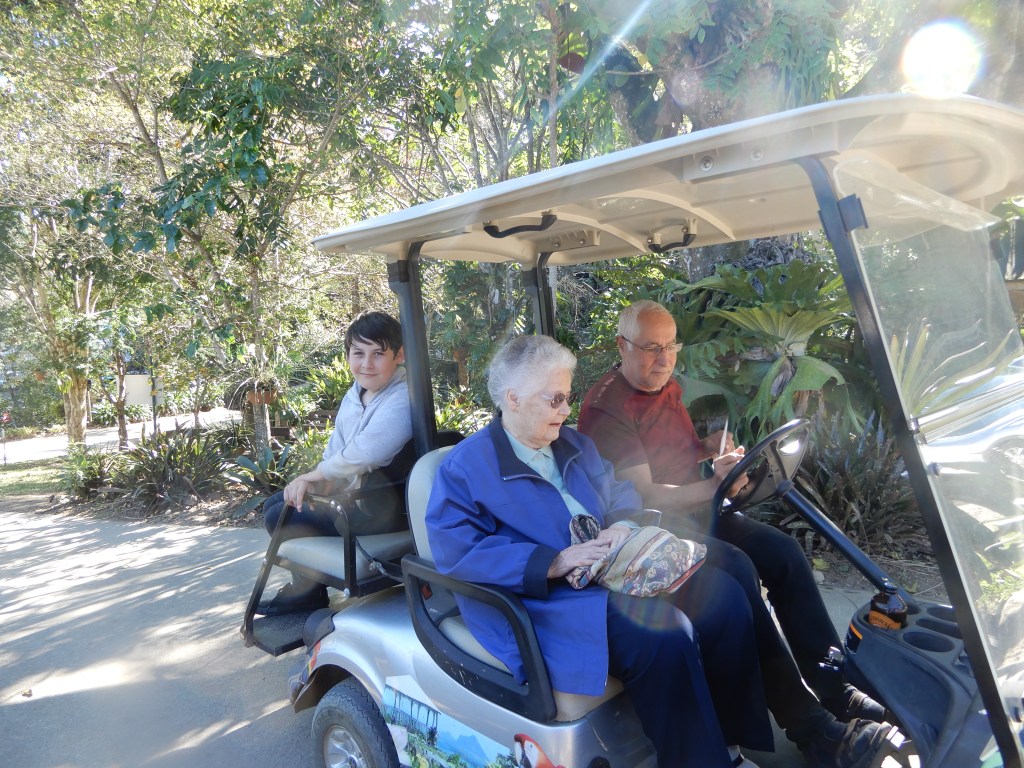
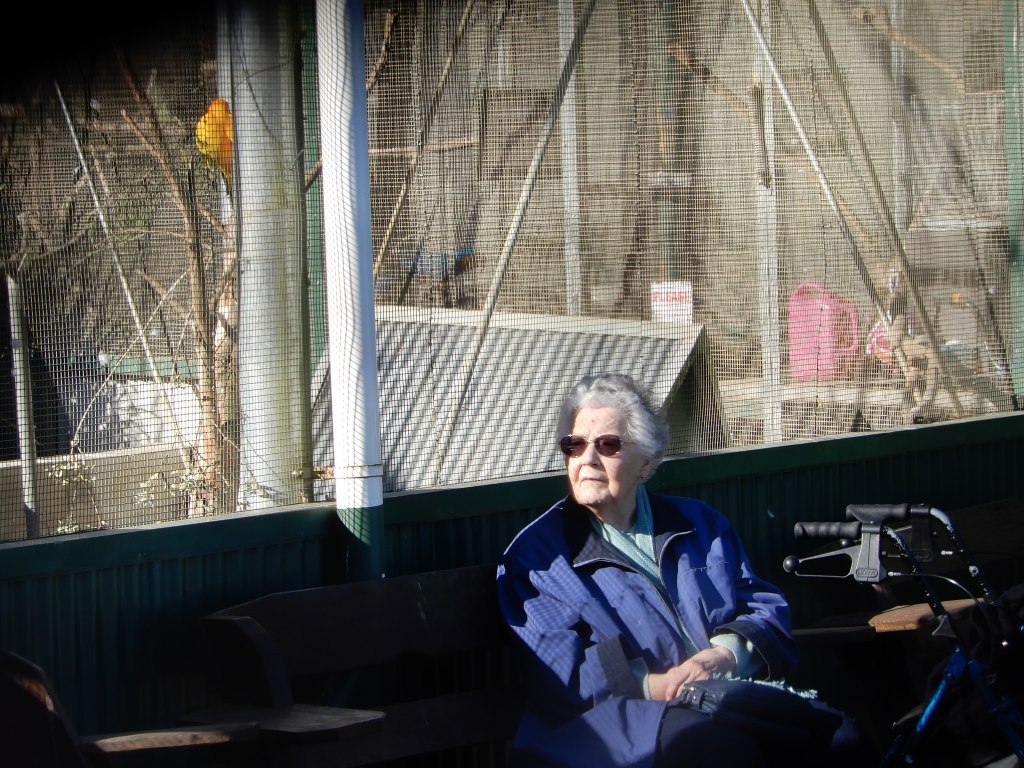
We hired a cart as we had my 93 year old mother with us for the day and as her mobility was limited it was the only way she was going to enjoy the gardens.
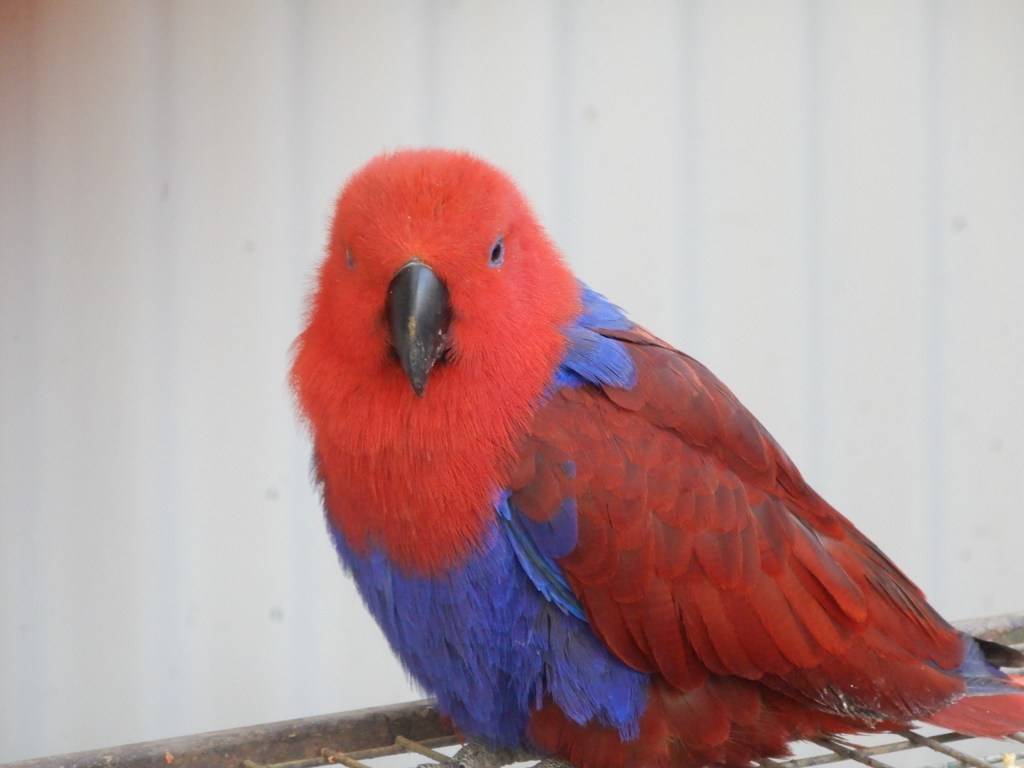
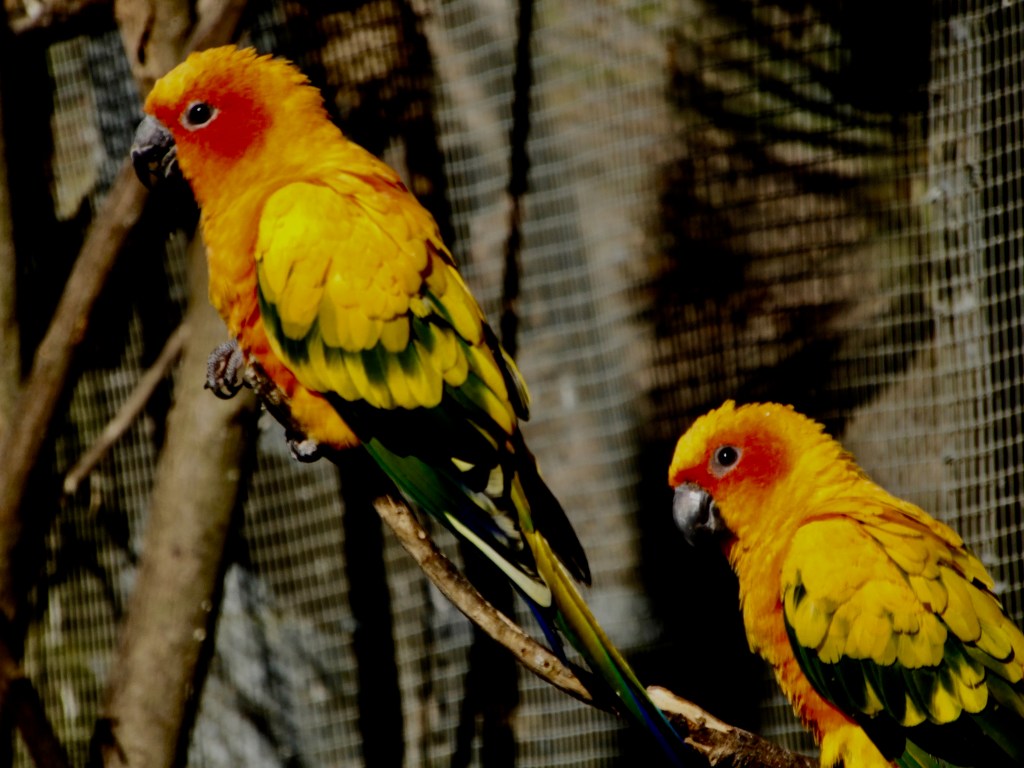
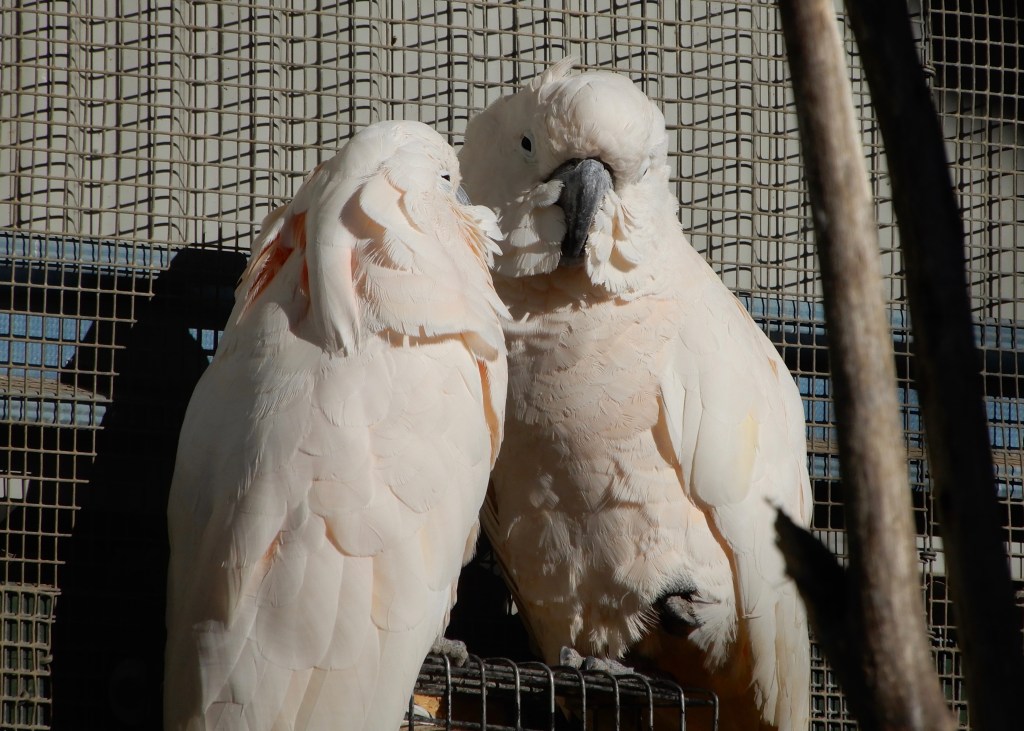
While we visited the bird world Mum waited outside – in safety. The birds were predominantly rescue birds whether from the wild or captivity. Some would not have survived in the wild.
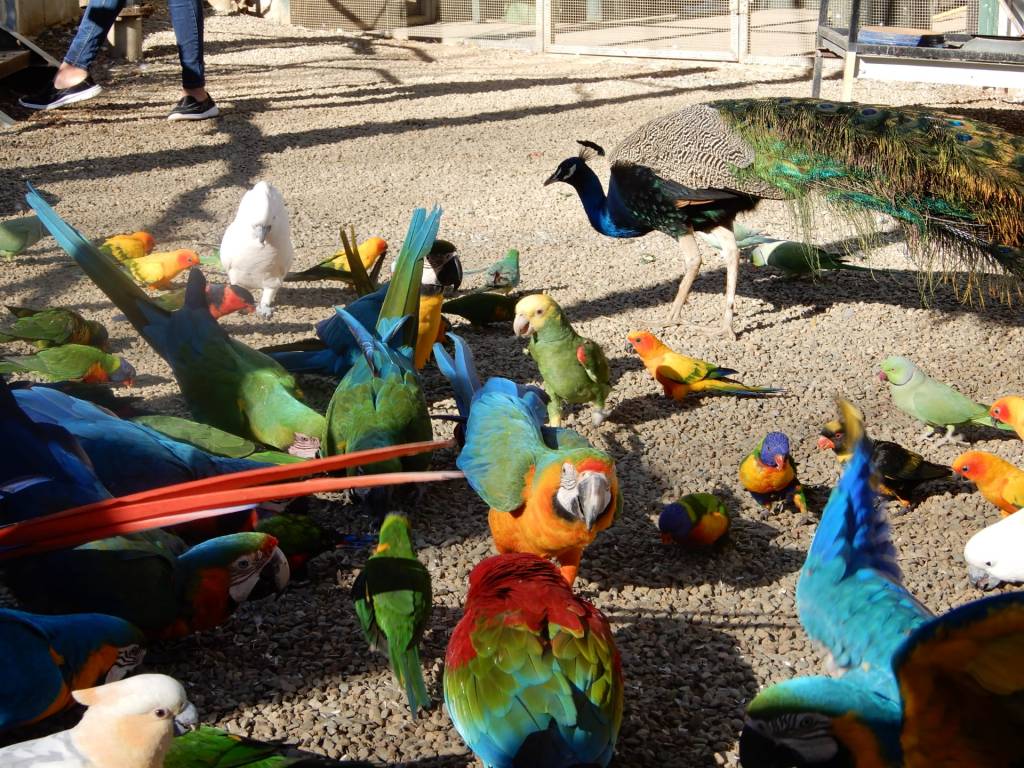
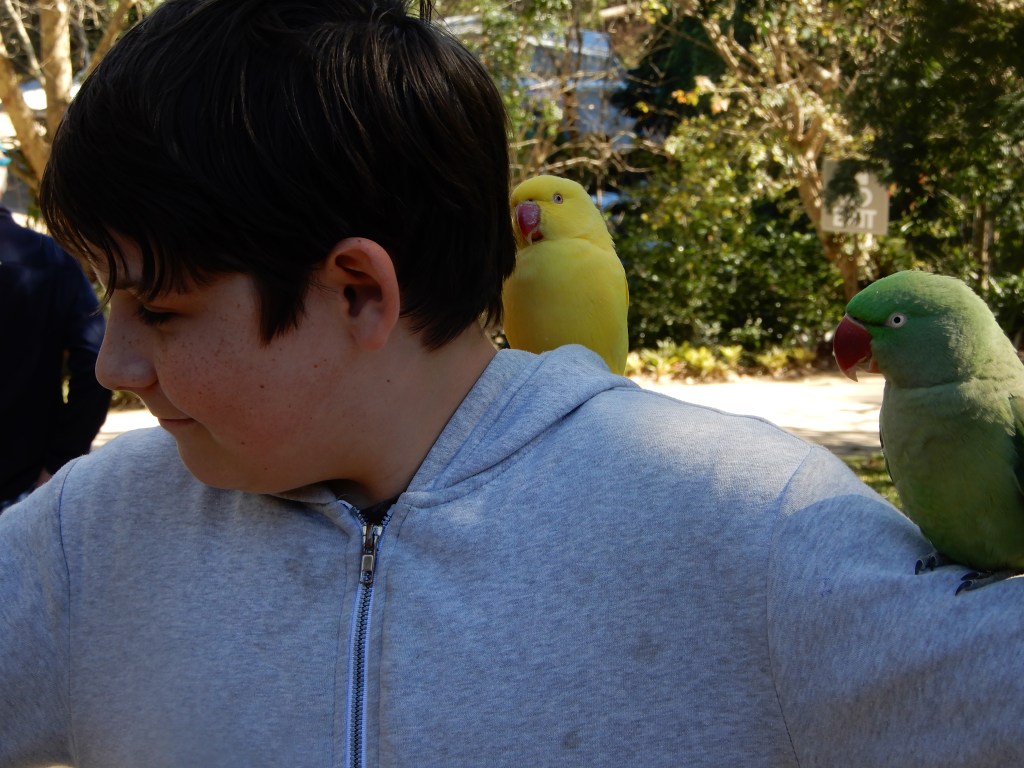
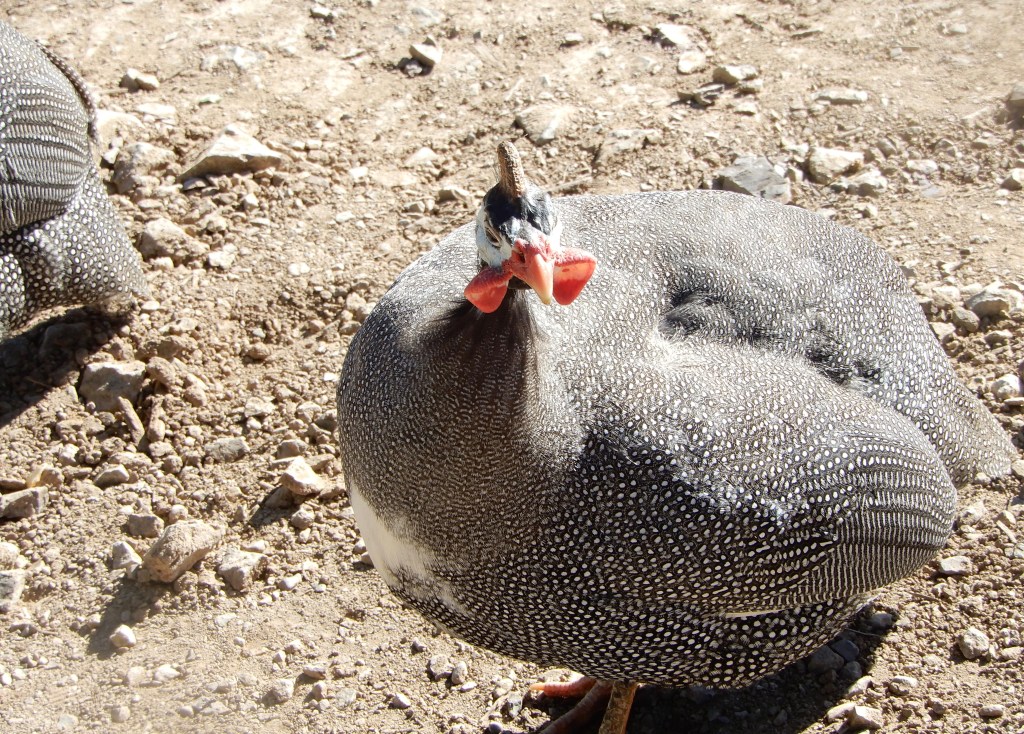
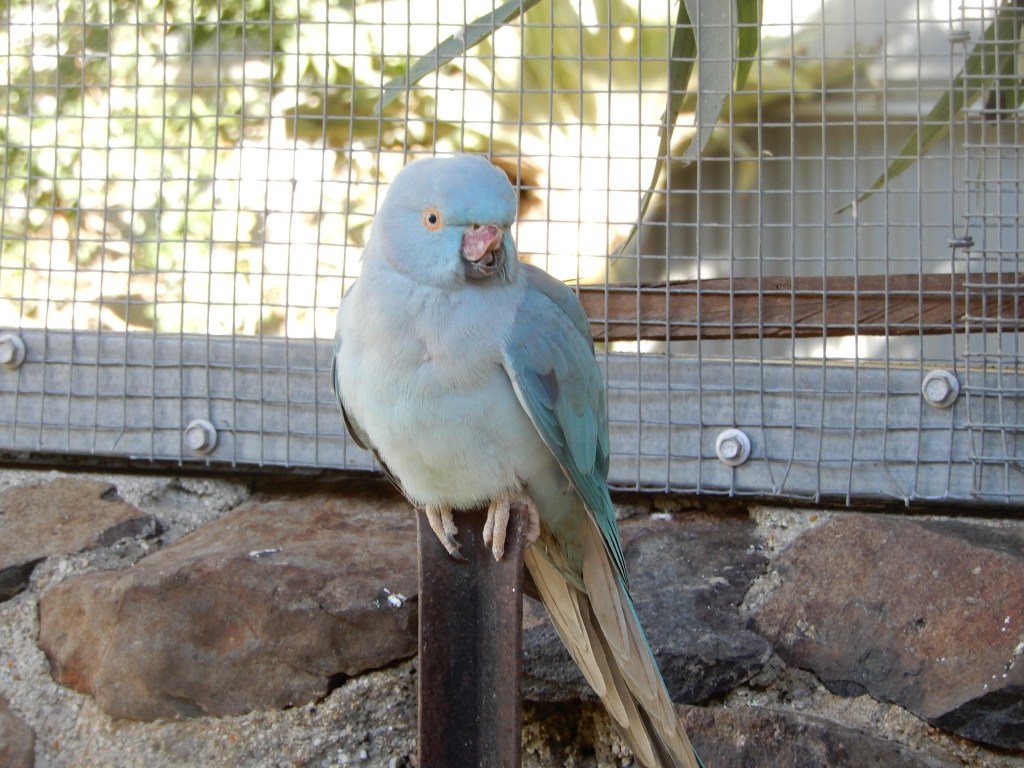
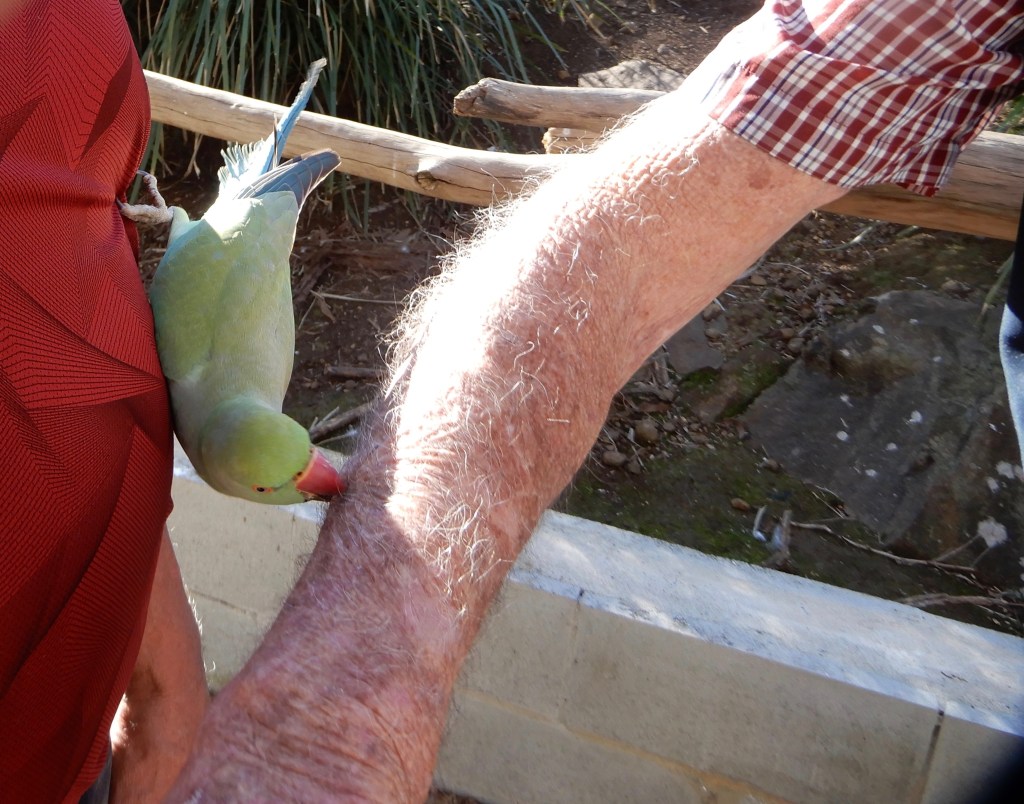
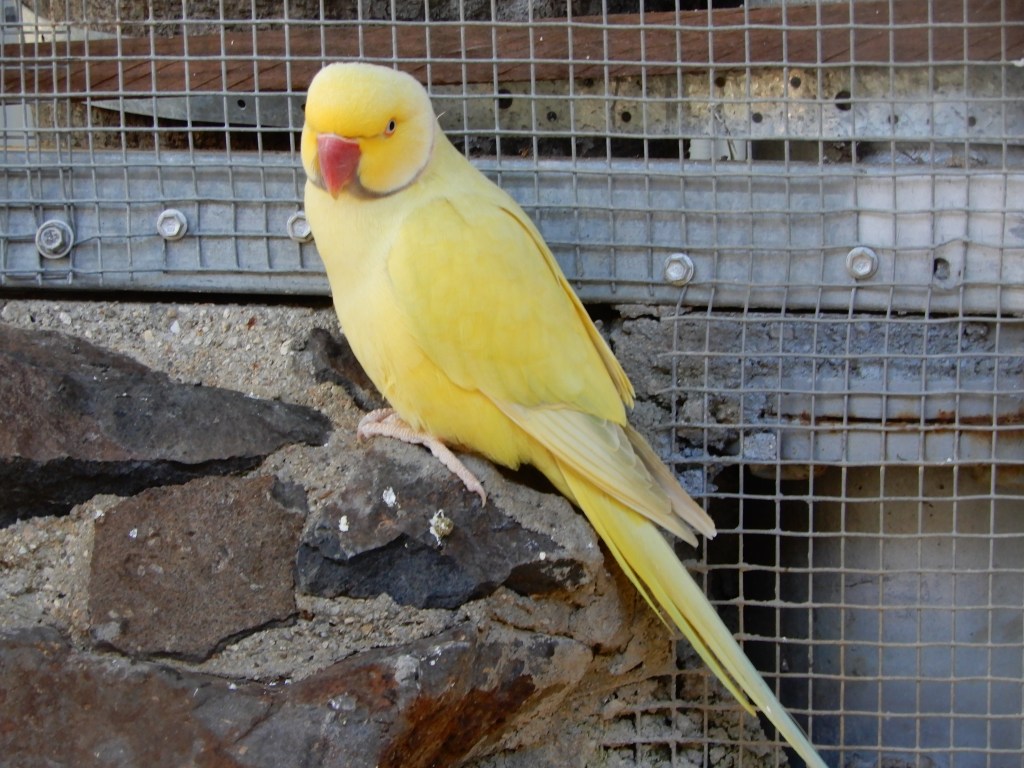
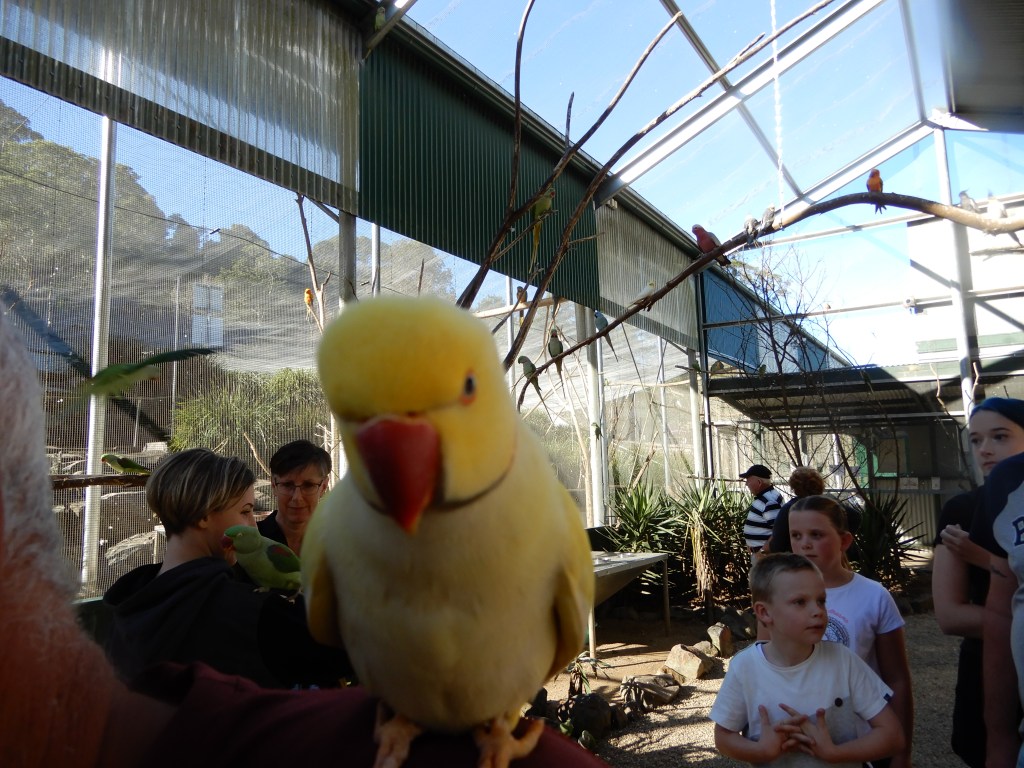
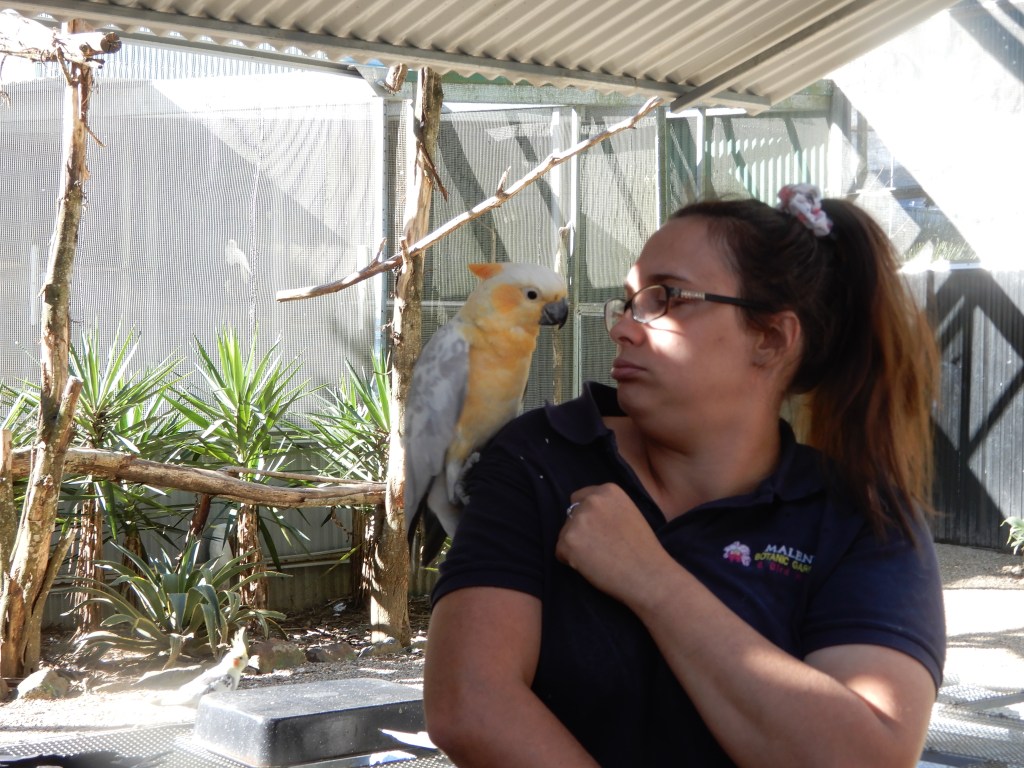
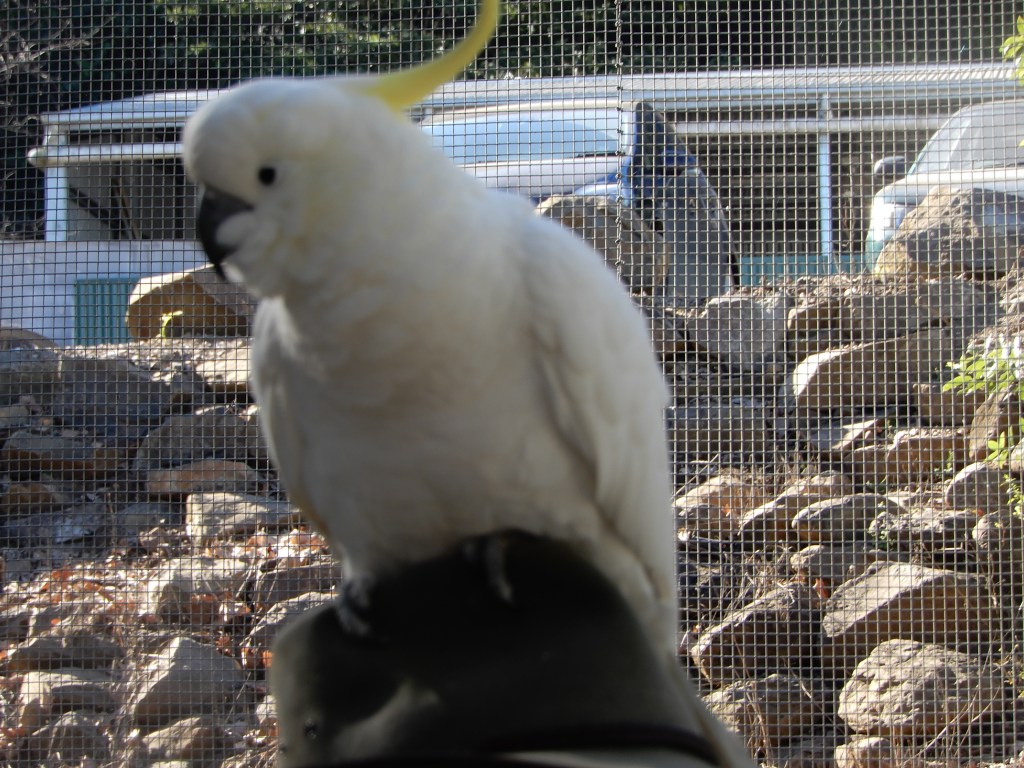
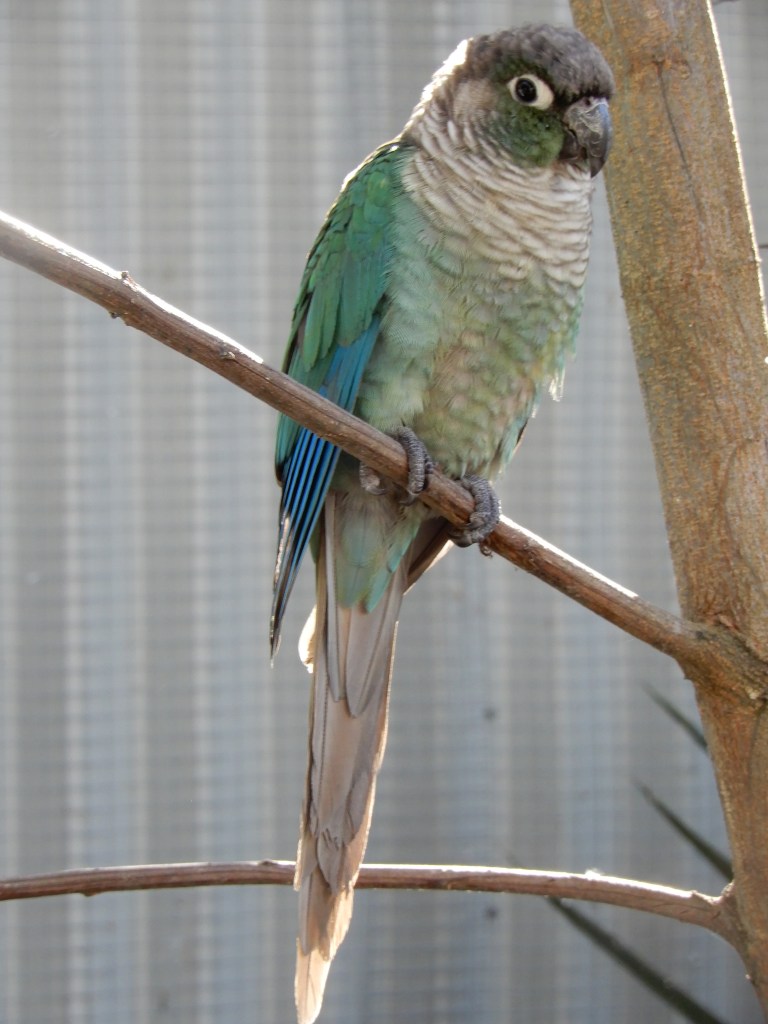
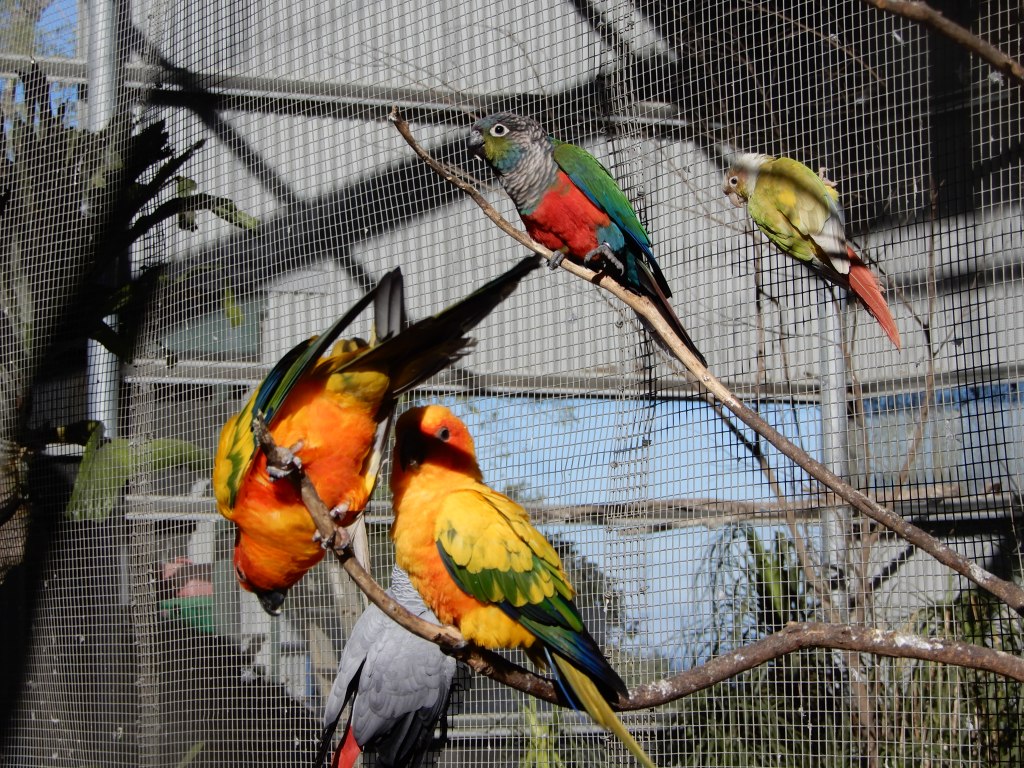
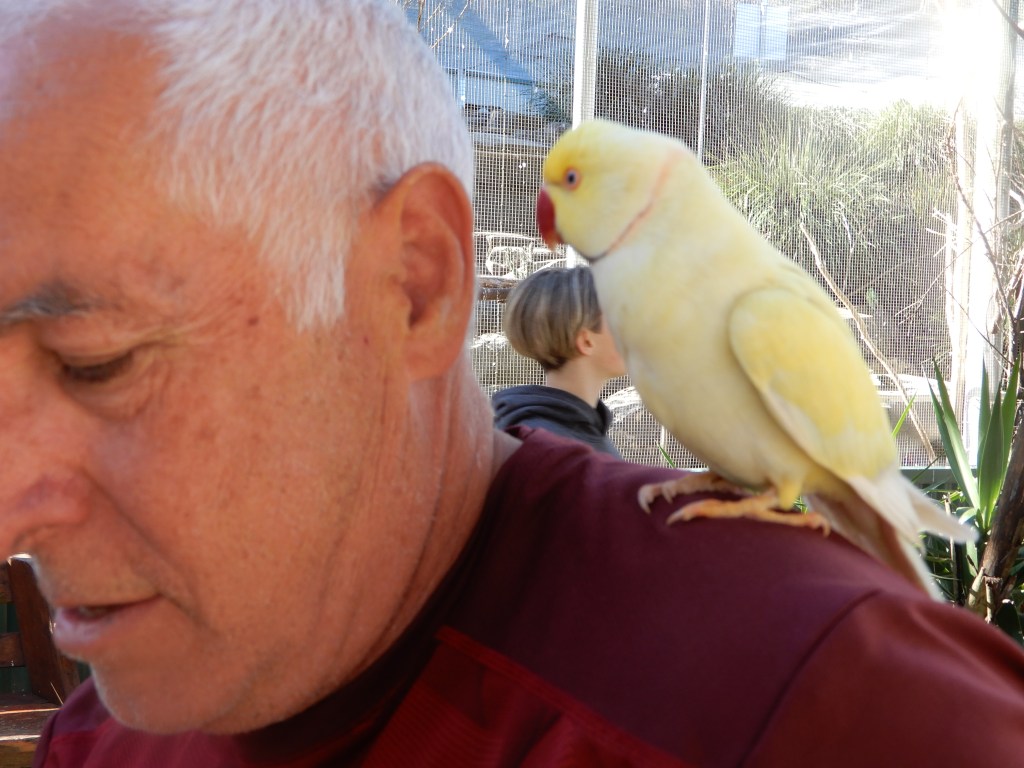
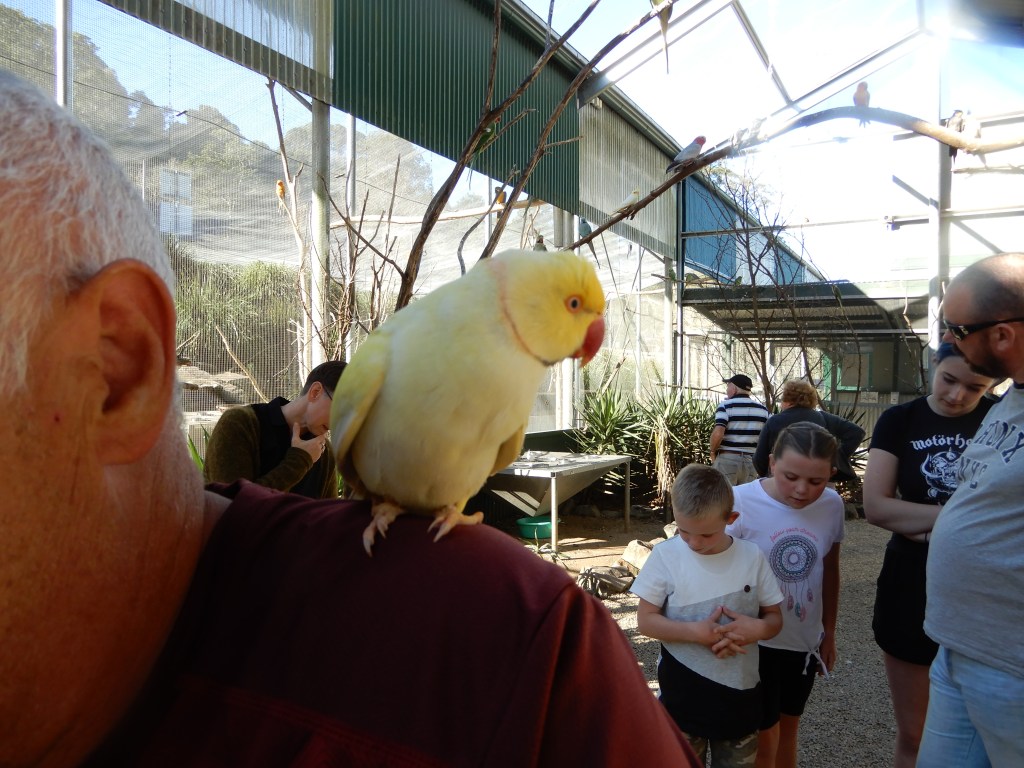
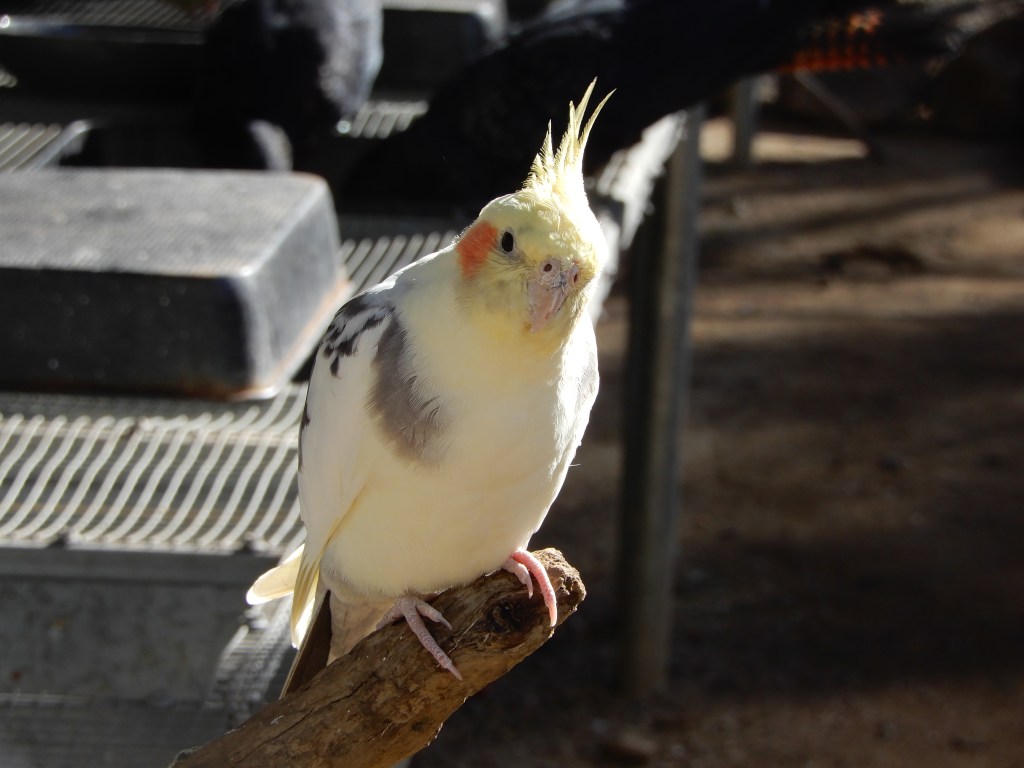
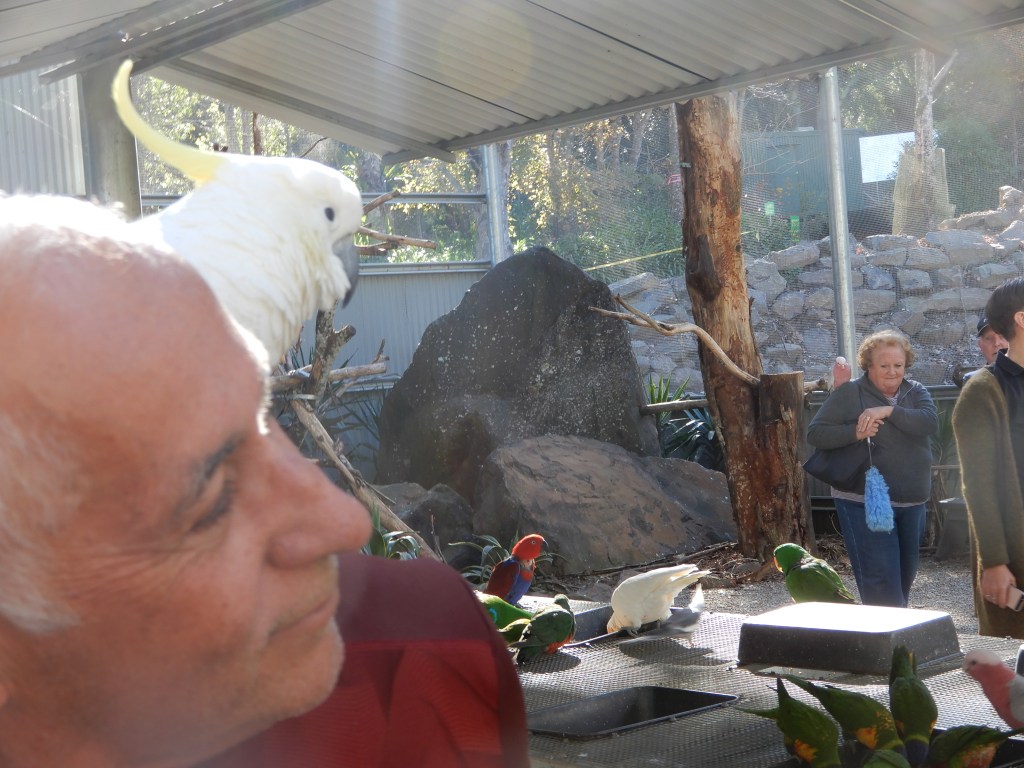
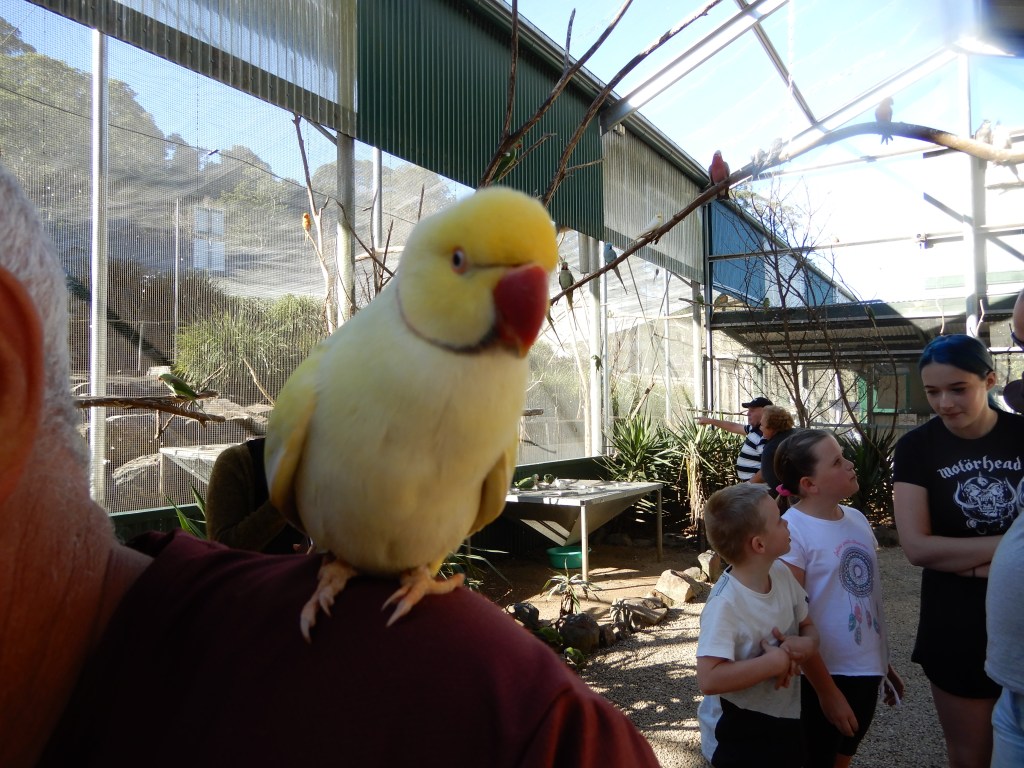
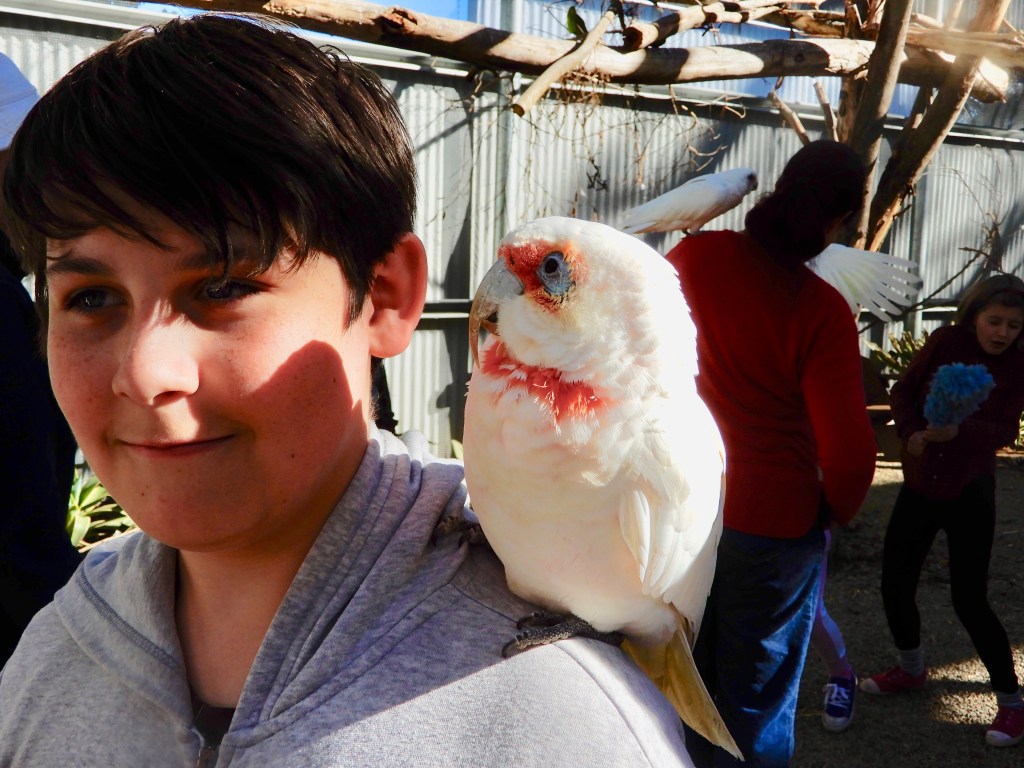
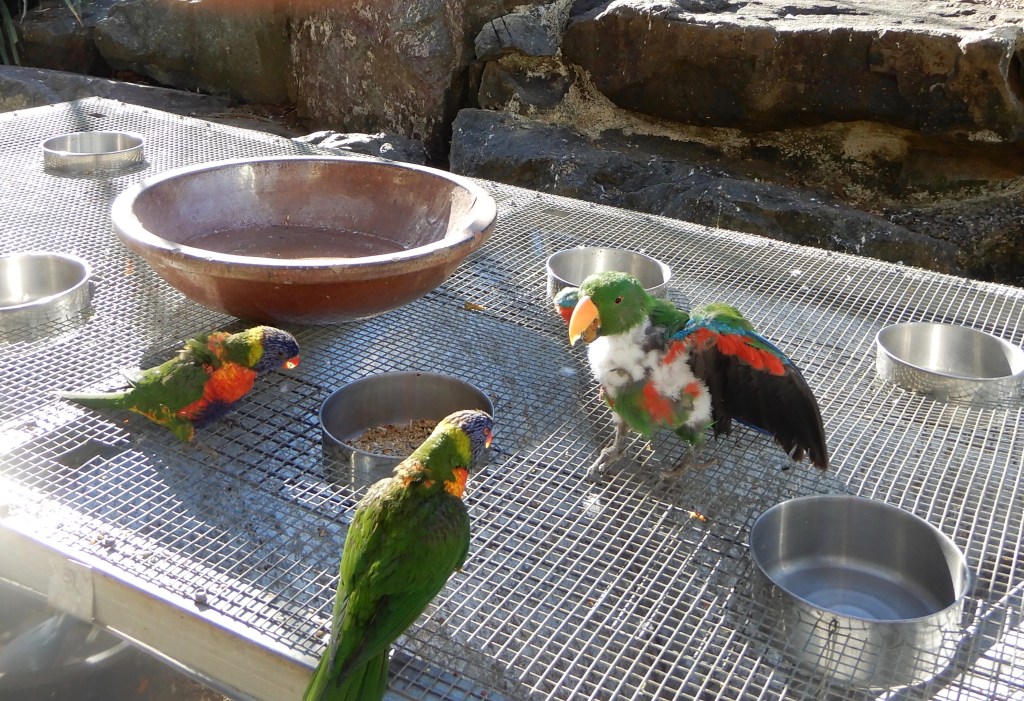
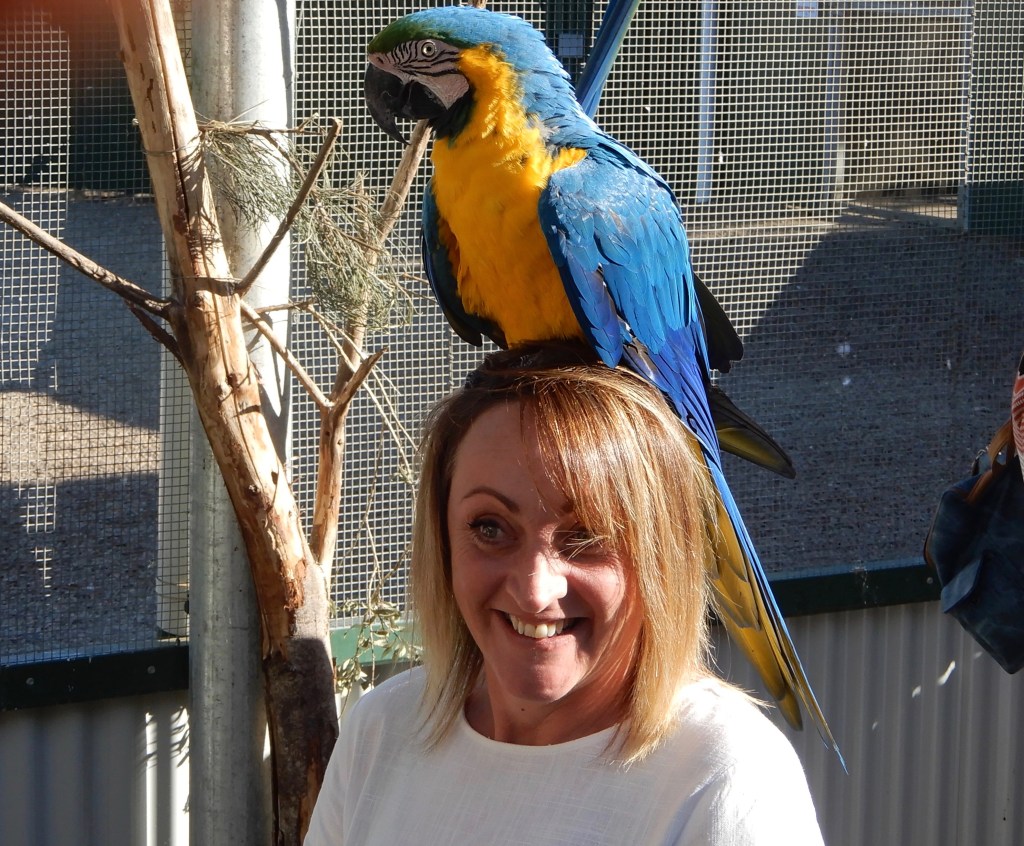
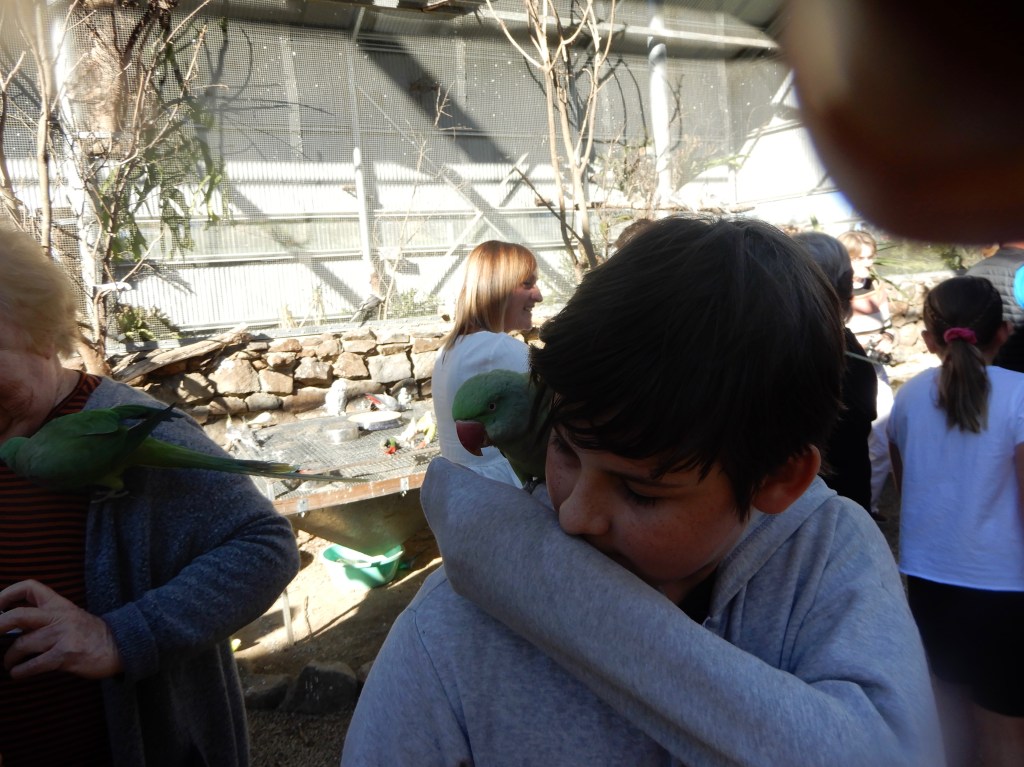
All were beautiful. There are four massive walk in aviaries. The first is for the smaller and more fragile birds. The second is the ones who need help. The third is for the smaller parrots and the fourth for the big parrots such as the macaws and other bully birds. The birds were not frightened and happily landed on anyone they choose. Everyone was warned to remove hearing aids, earrings, jewellery, and remove caps if you didn’t want to lose the button from it. The birds loved stealing things. Feather dusters were available to take with you in case you wanted to remove a bird from your head or other part of your body. They could be quite painful.
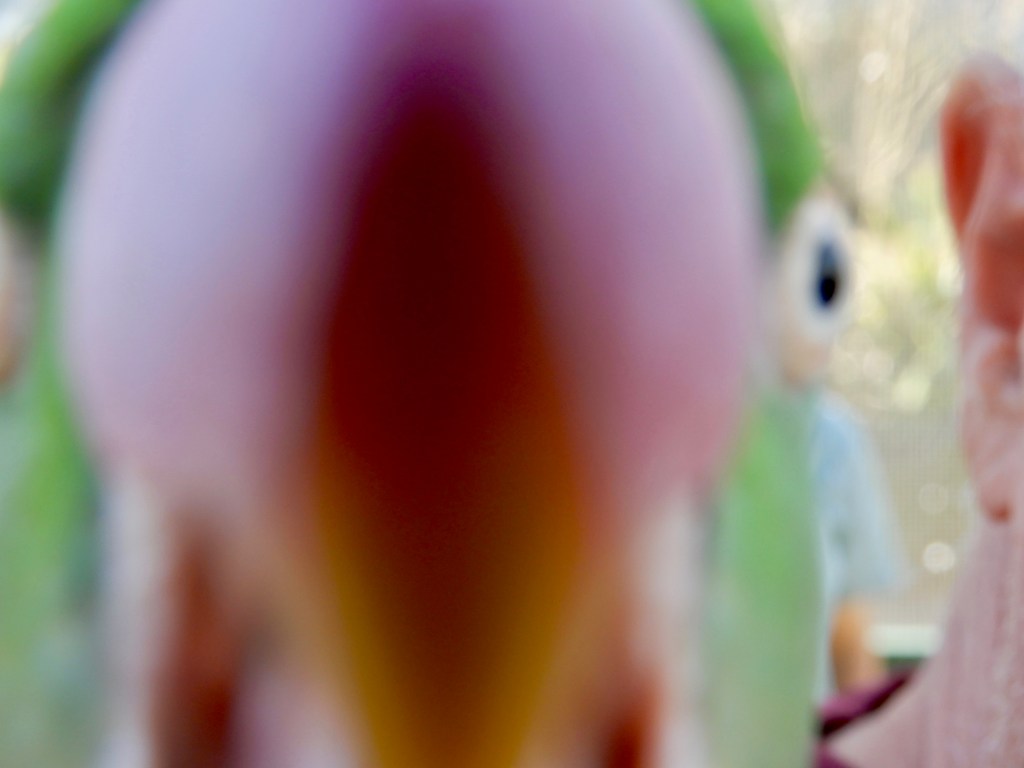
The parrot came forward and ate my lens shutter to a point it no longer operated as it should and hung down over the lens preventing any further photography. I could have shot myself.
The next day I went to the camera shop only to find that to replace the malfunctioning apparatus the entire lens had to be replaced at a cost greater than we had paid for the camera. I declined and started researching new cameras. Roger delicately removed the offending piece and it didn’t appear that the lens had been damaged. I decided I would use it until I could decide on a replacement. I am still using it over a year later.
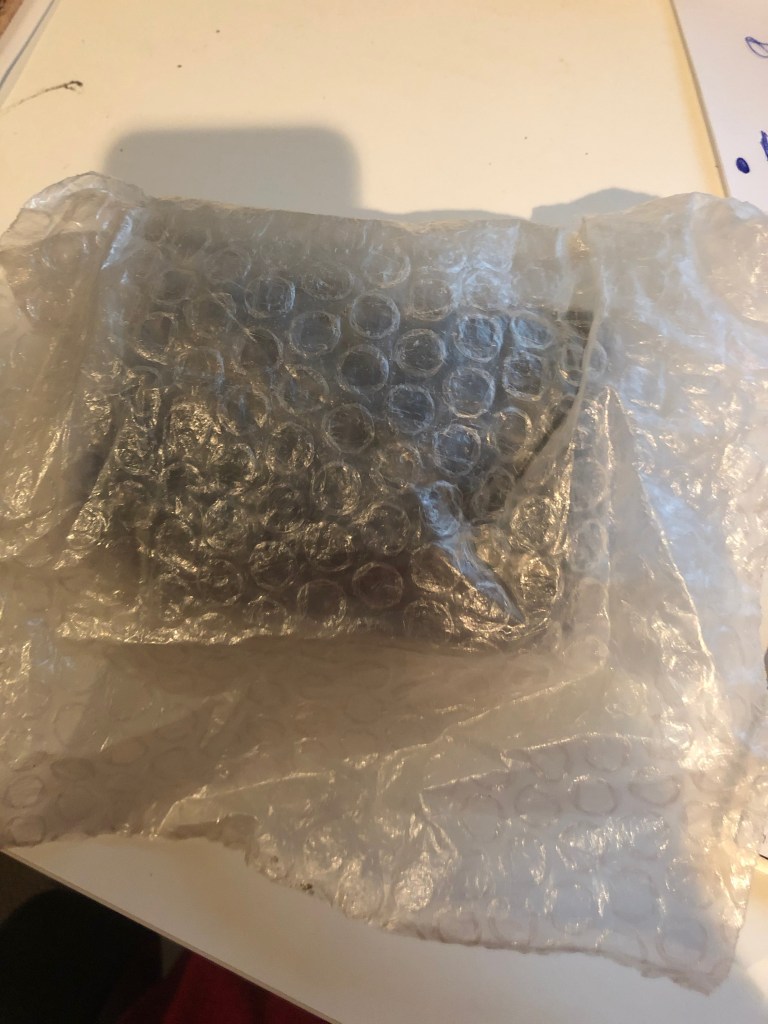
It’s lens is covered by a spectacle cloth and then it lives in a bubble wrap bag. Not great for quick photos but so far it works.
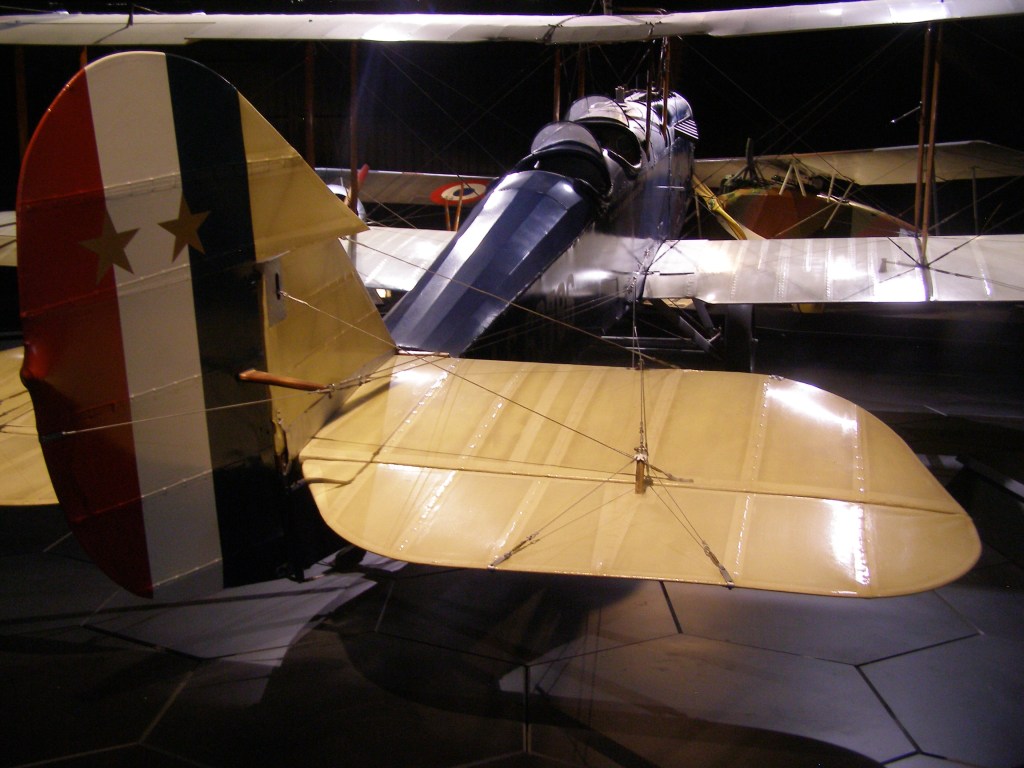
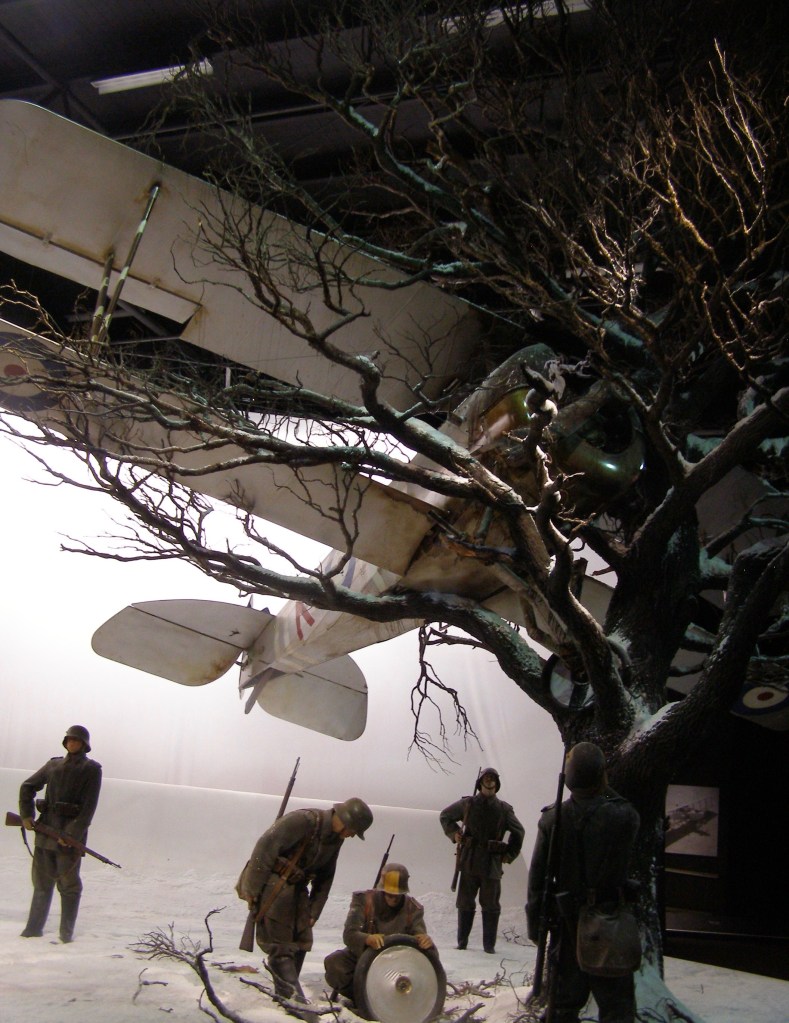
The Aircraft Museum near Blenheim on the South Island of New Zealand is well worth a visit. We only had time to do one war and we chose to do World War 1. It was well set out and displayed planes that looked so ancient it brought home just how brave these pilots were.
The displays included scenes from the day and inside the workshops that repaired the damaged planes that had managed to limp home. In WWI, unlike the German pilots, British pilots weren’t issued with parachutes. The rationale of the British Government was that the pilots may not be quite as focused on carrying out the task at hand and might bale earlier, ditching expensive aircraft that potentially could limp home. It took them some time to realise that trained fighter pilots were a more valuable commodity than the plane. Once they realised this parachutes became standard issue.
The US Navy had 22 Curtiss MF Flying Boat delivered before the contract was terminated due to Armistice in 1918. However, it was found to be an excellent trainer so 80 more were ordered. It was later used as a rum running plane during prohibition and in the filming of the Amazon in the Alexander Hamilton Rice Expedition 1919-20. This is one of only four known to exist in the world.
A piece of flash fiction written in 2018 in response to the story that went with this plane.
The night before the mission Squadron 74 threw back their beers and cuddled their girls They knew there would be empty seats and some broken-hearts the following night.
1100 hours the bugle sounded. A quick briefing. No longer carefree, they ran to their planes. Commander Keith ‘Grid’ Caldwell headed out with his men. “On your bikes, chaps” he ordered.
The formation crossed the line at 1330 hrs. Soon they ferreted out some enemy planes. Bratatattat. Bratatattat. Sparks flew from the machine guns. Grid, in his element, attacked, then spiralled, righting his plane to appear from nowhere shooting the German out of the sky. He dipped away. His plane shuddered. He had collided with one of his own at 7000 feet. The plane with it damaged wing spun downward another 2000 feet. Without a parachute Grid had a choice of death. He decided to jump. He leant out over the wing and the plane steadied, flattening out. Holding the right rudder with his left foot he kept his weight on the wing and managed to fly his crippled aircraft to safety.
In the WWI exhibit I learnt about this NZ pilot who had a narrow escape and was one of the few pilots to survive WWI where the average lifespan of these young men was two weeks from commencing flying missions. Grid went on to become a Air Commodore in WWII. He gained the nickname Grid as it is NZ for bicycle and this is what he called the planes.
No record of planes in WW1 would be complete without the Red Baron, Capt Von Richthofen who shot down 80 aircraft in his wood and fabric plane. He was shot down by Capt Brown – an Australian. The looting of the downed plane was immense with people taking trophies back to memorialise the day, with pieces being found in Darwin.
If you are ever in Blenheim, make sure you take a trip out to the Omaka Aviation Heritage Centre – it is well worth a visit.
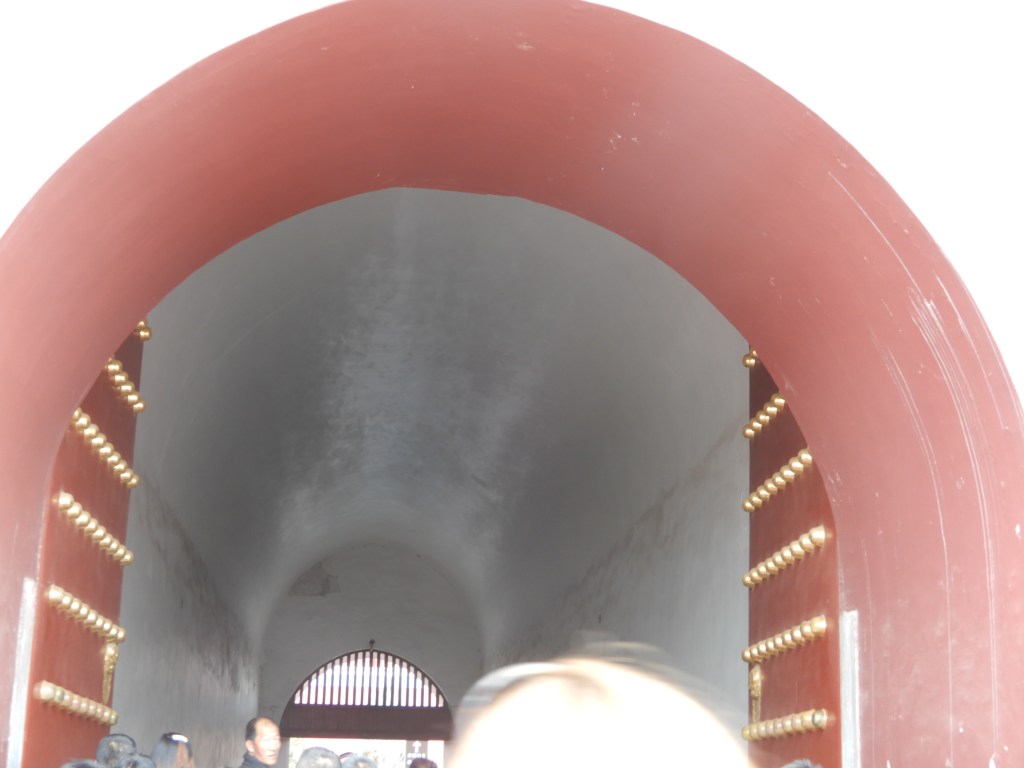
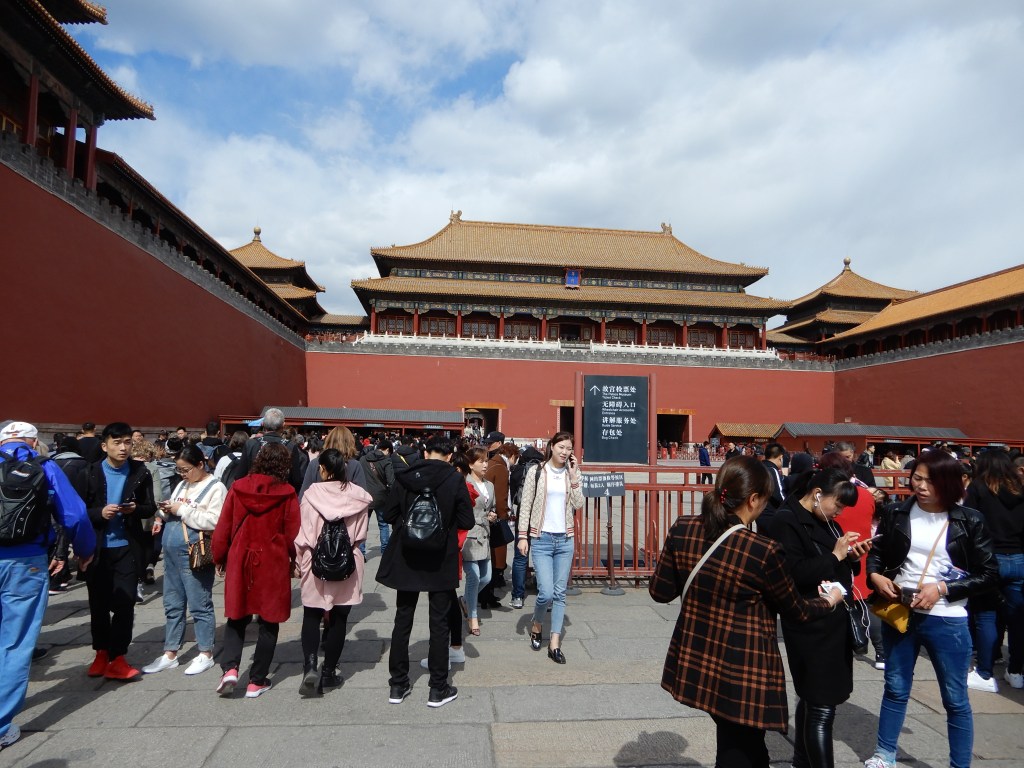
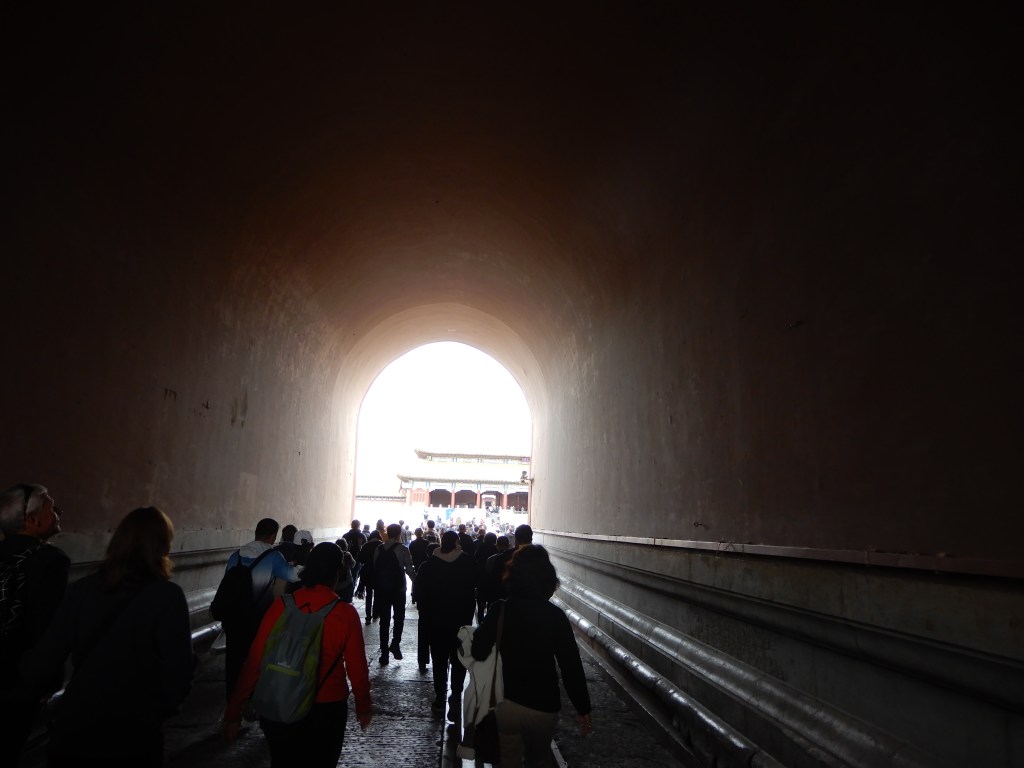
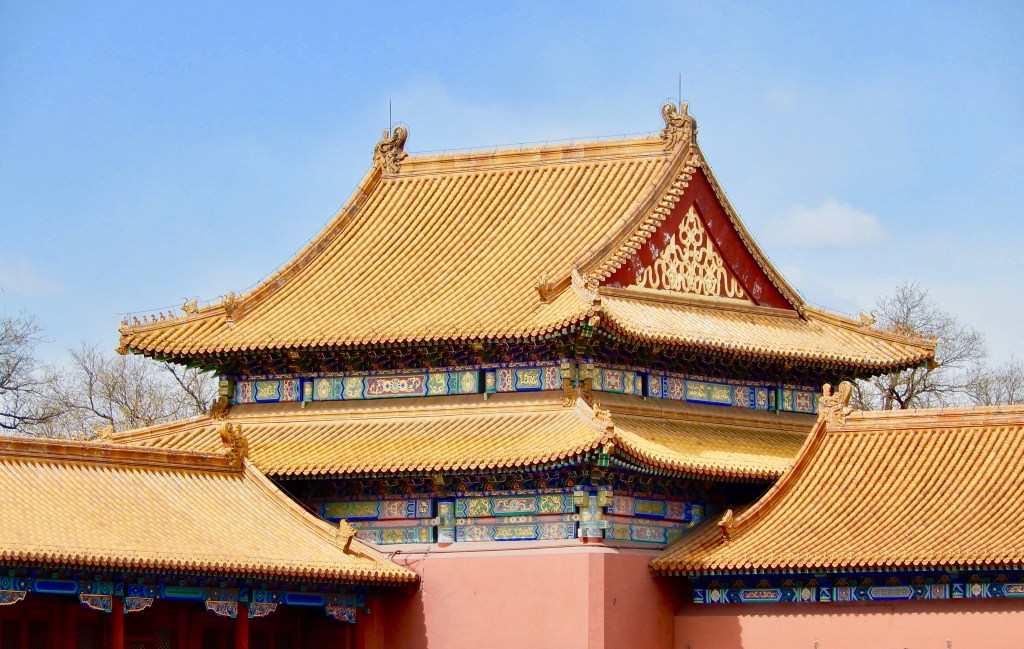
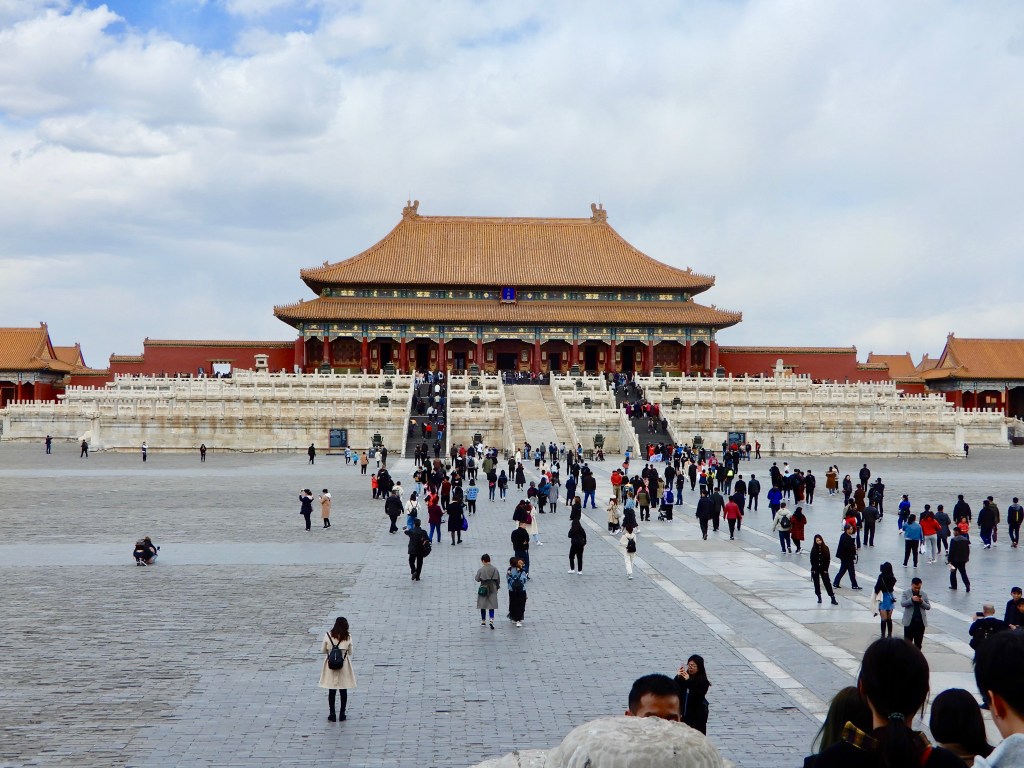
As we entered into the Forbidden City through the wide nail studded doors, walking through an arched entry tunnel that gave access through the thick wall that encloses it – we entered another world.
Gone were the soldiers and police that had populated Tiananmen Square and despite the crowds of visitors there was a sense of peace and calm. The UNESCO listed ForbiddenCity is a huge complex covering 720,000 square metres which is 3 times larger than the Louvre. For comparison the Vatican is 444,000 sq m and the Kremlin 275,000 sq m. It is huge.
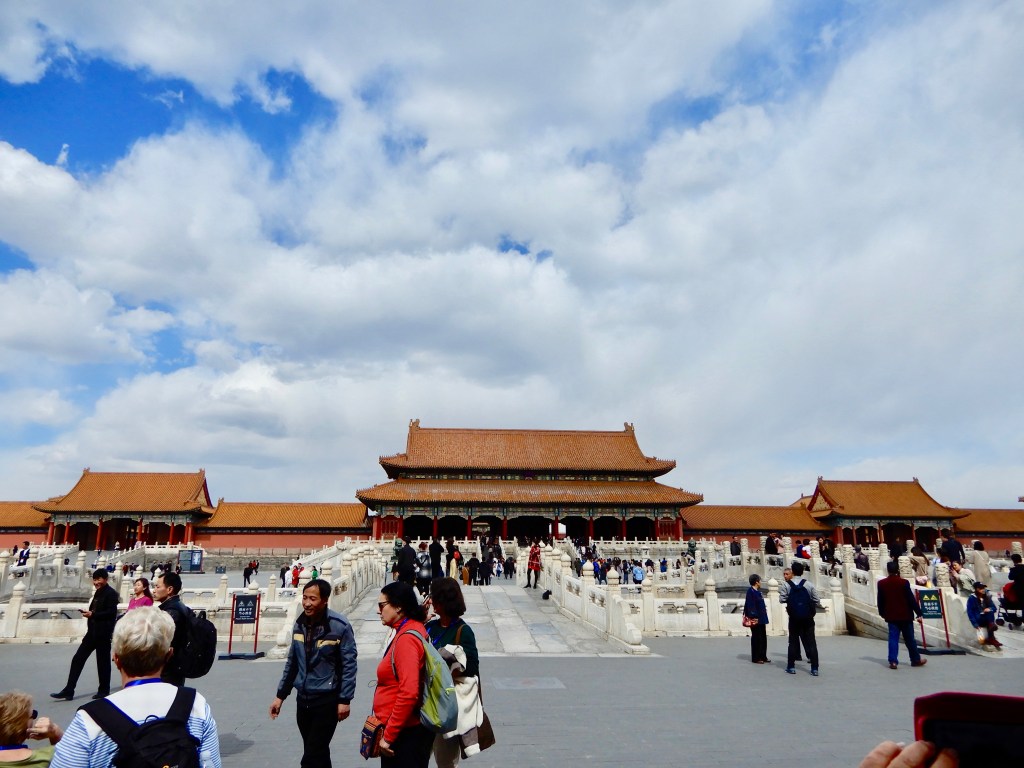
You find yourself in a huge courtyard surrounded by buildings. It wasn’t the buildings that caught my eye however. I was intrigued by the special pants that the toddler wore. It was explained to me that these pants are an aid to toilet training which starts at a very young age.
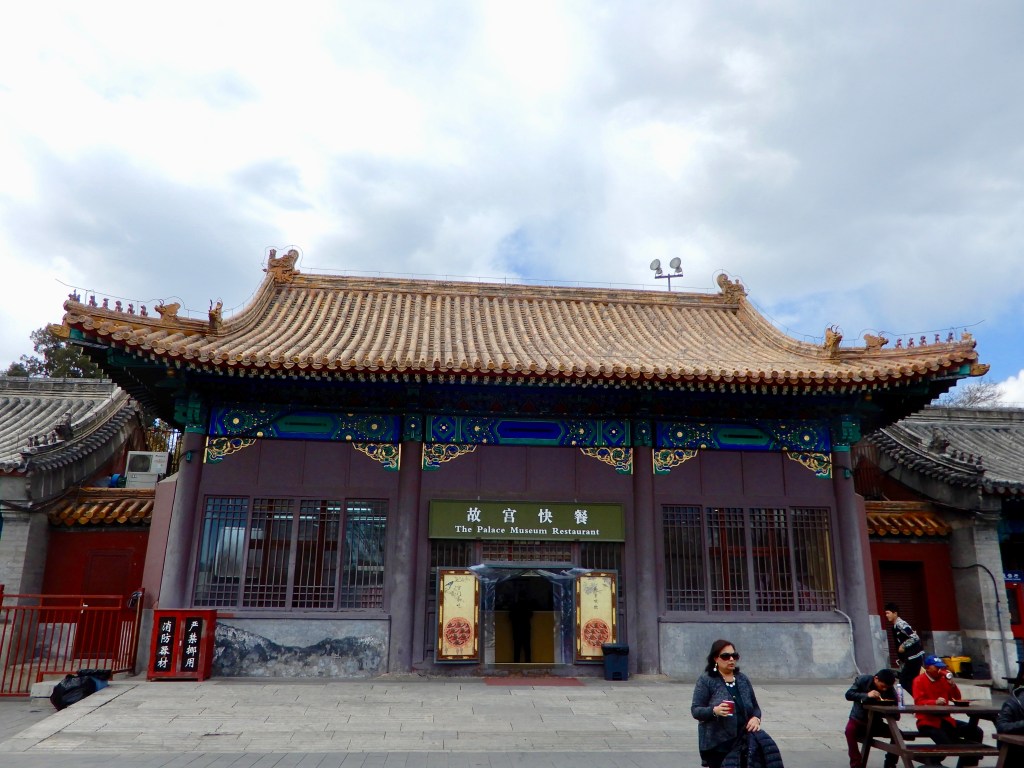
The palace (Forbidden City) is now home to the Palace Museum. It houses Chinese historical artifacts and is considered one of the best museums in the world, despite the fact that some of it is now housed in Taiwan – removed during WW11 to prevent damage from Japanese attack. Apart from looking through a few windows we did not enter any of the rooms. The place was so huge that just walking from one side to the other took most of the afternoon. Certainly you would have to spend a couple of days to see it properly.
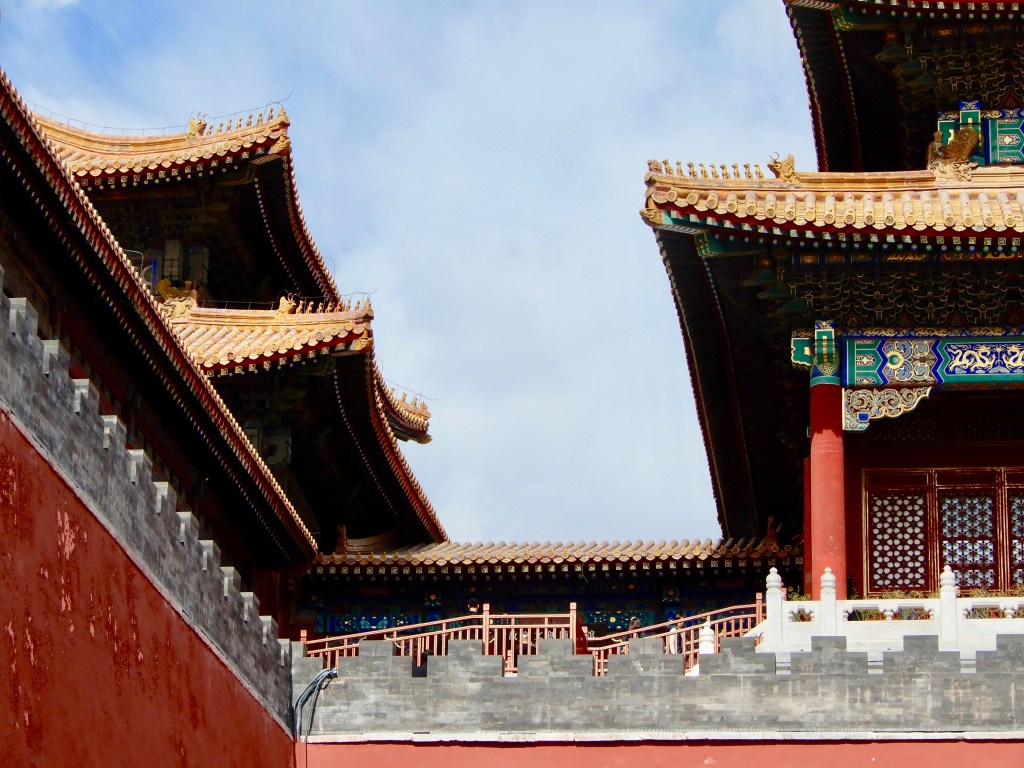
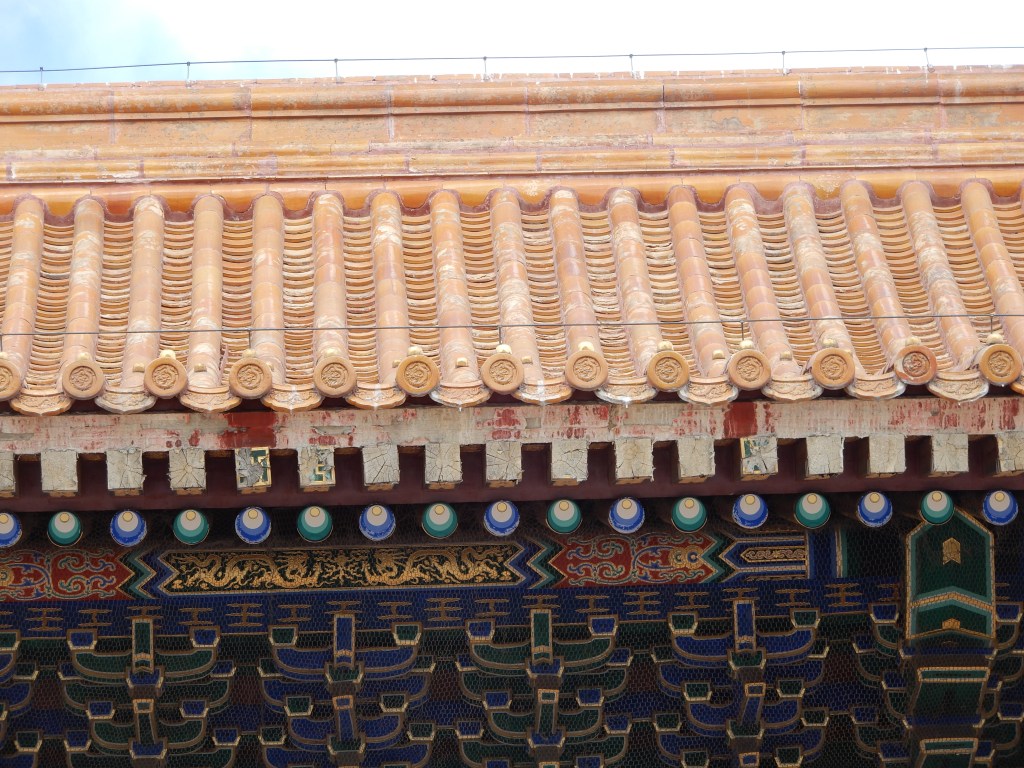
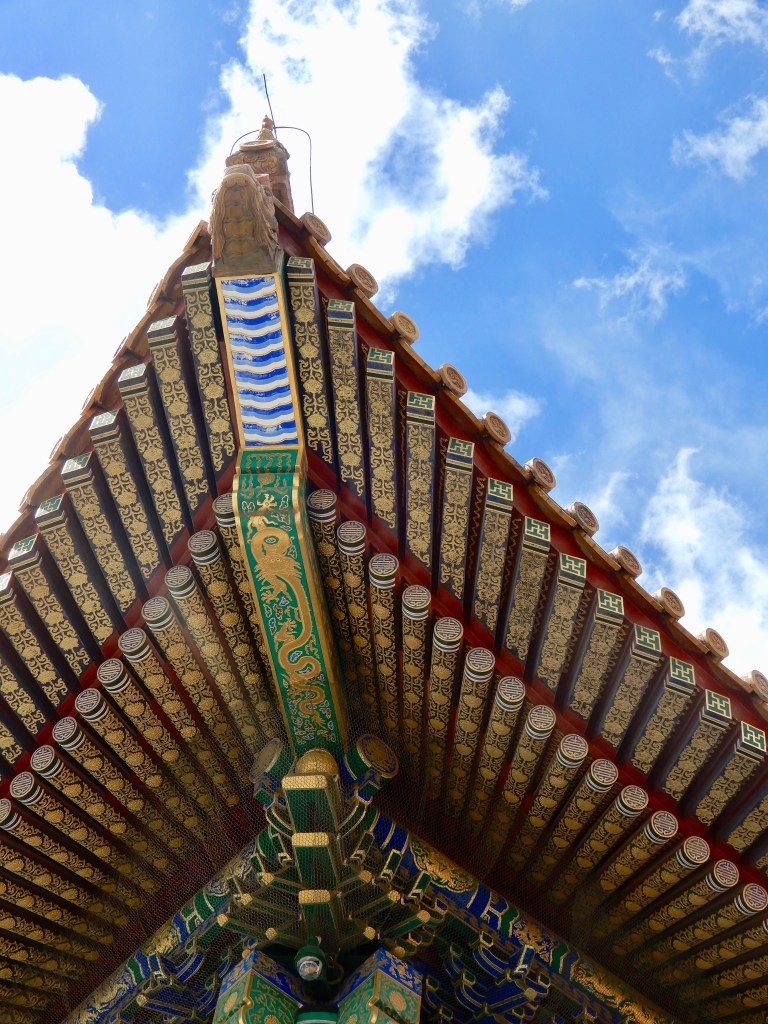
The Forbidden City is also the world’s largest collection of well preserved ancient wooden structures. There are over 980 buildings with around 8,728 rooms. Built between 1406 – 1420 the architecture has influenced cultural and architectural developments all over Asia. The detail demonstrates every aspect of Chinese architecture and culture.
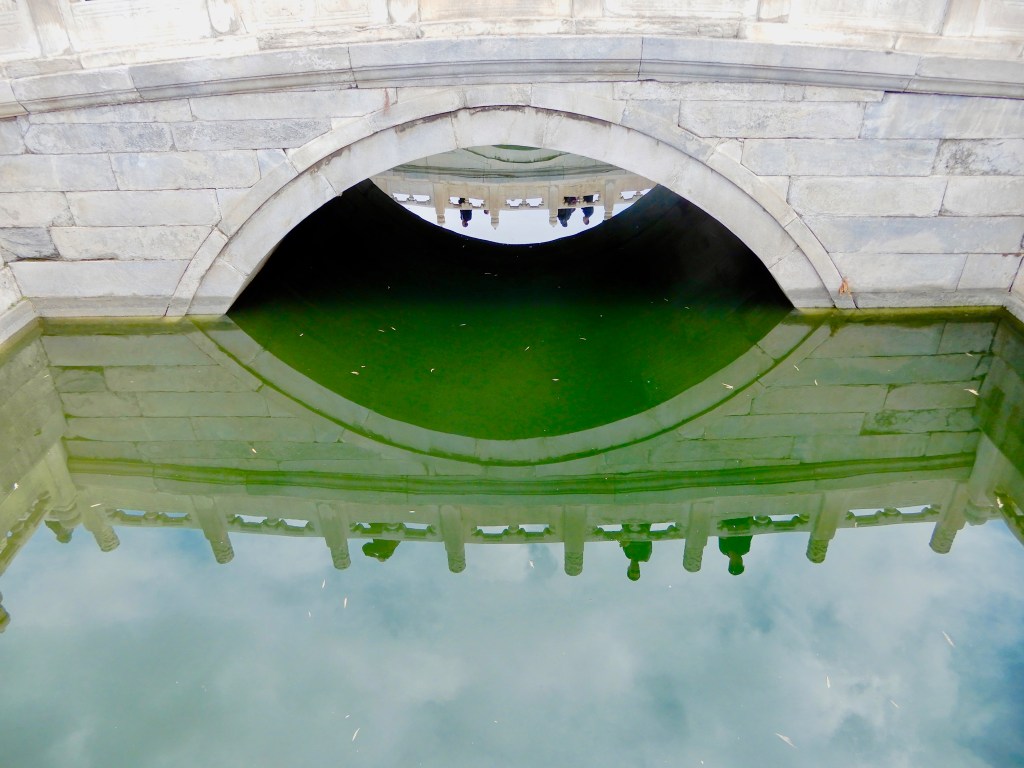
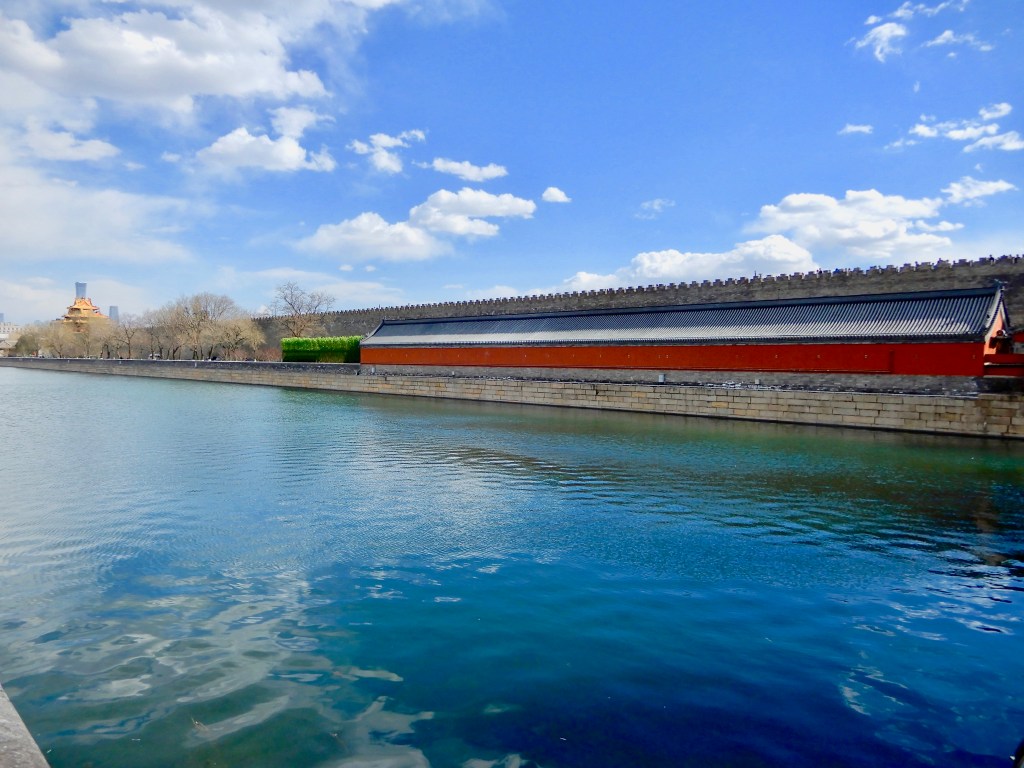
This time with a water filled channel crossed by many curved bridges. The crowds were massive but the grounds even bigger preserving that sense of peace and calm.
We were given a set of headphones enabling our guide to explain the buildings to us as we walked without him having to shout. We were expected to keep our eye on the blue flag. I did most of the time but I was distracted by the reflections in the channel.
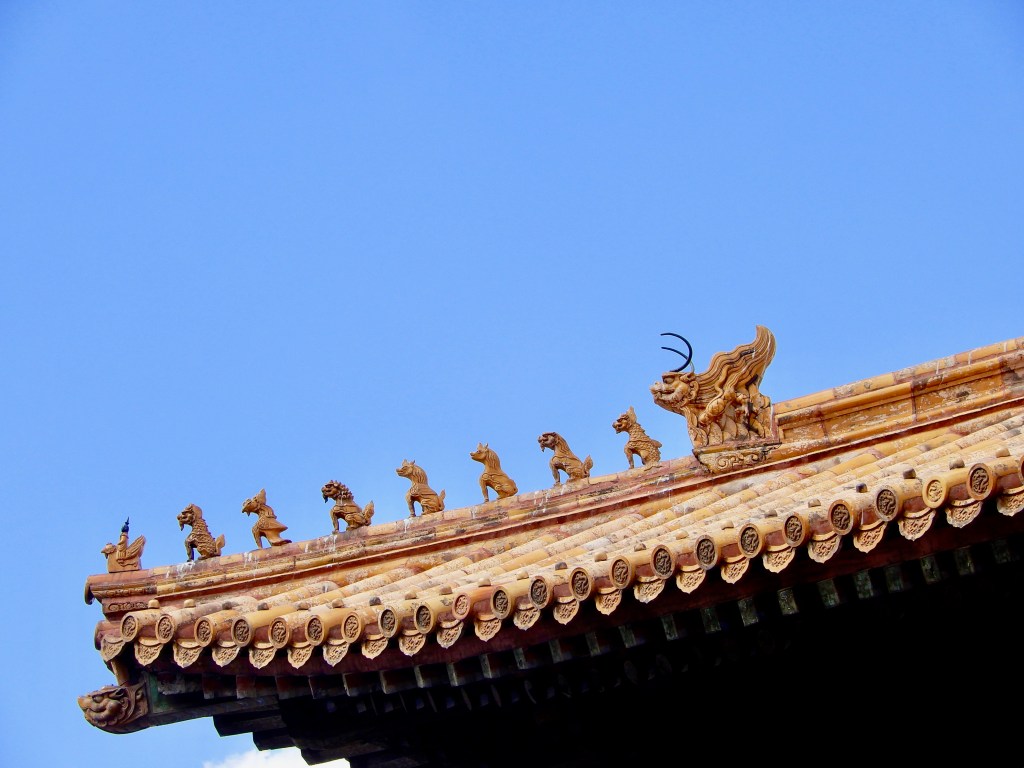
There were few trees and statues because (it is believed) it gives the would be assassins no place to hide but it is also possible that the trees may overshadow the imperial godliness. In the inner sanctums which were predominantly residential a few statues were found. The Chinese Imperial Guardian lions sit on either side of an entrance way and symbolise strength, stability and superiority.
Noticeable by their absence were birds on roofs. This is due to the unique design of the roofs. They made the slope steeper and the roof spine wider than the width between a bird’s claws thus preventing them from landing. The tiles are glazed and are thus very slippery acting as a further preventive.
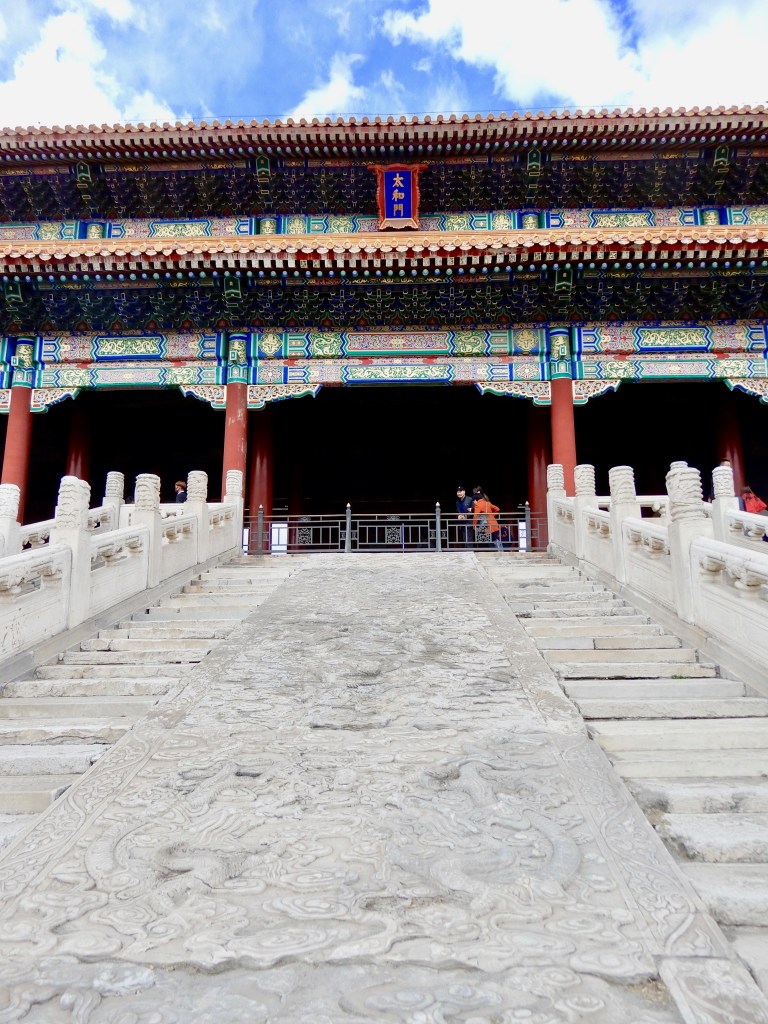
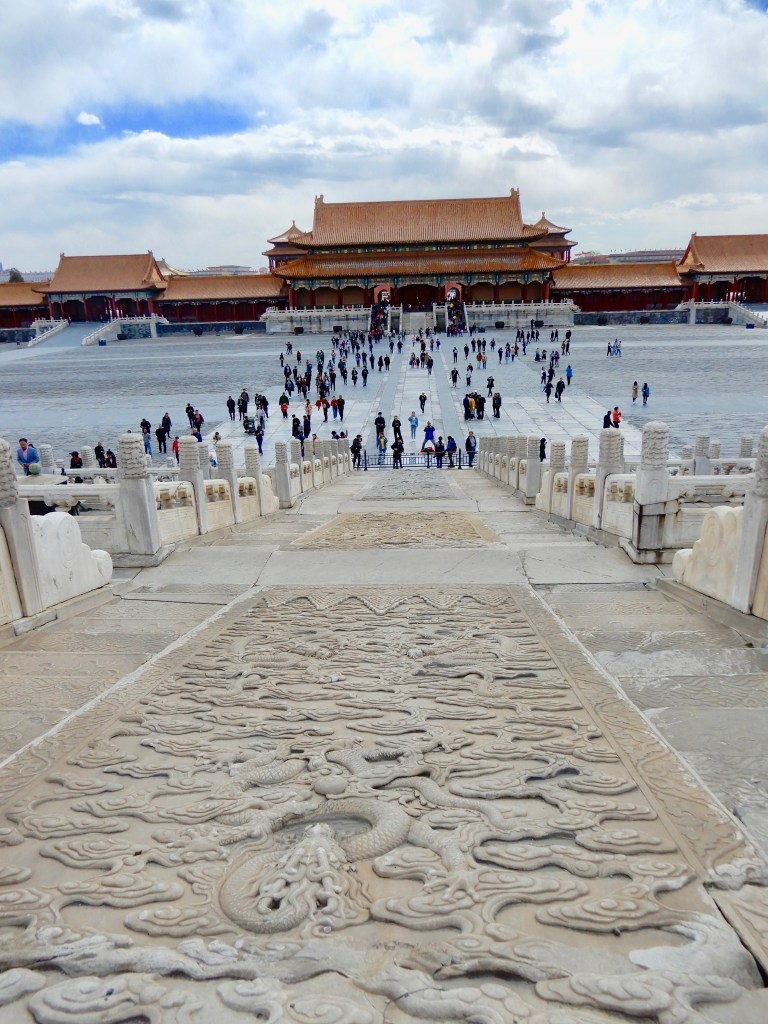
Into yet another courtyard entered from a higher level and leading down into the courtyard was a set of stairs on either side of a ramp, identical to what can be seen on the far side of the courtyard. The ramp was for the litter chair. I can see in times past those seeking an audience with the Emperor would probably crawl from one side to the other and look up to the godly being.
The Forbidden City was the Imperial residence of twenty four Chinese Emperors. Emperor Yongle from the Ming Dynasty commenced construction and 14 Ming Emperors lived there until the Manchurians took possession in 1644 and moved the Capital. When the Qing Dynasty regained control they moved back to the Forbidden City with 10 Qing emperors living there until the last abdicated in 1912 with the creation of the Republic of China.
The place was as clean as a whistle and everywhere people, with what I would call witches brooms, were sweeping and emptying garbage bins. As the biggest tourist attraction in China (greater even than any part of the Great Wall) over 14million visit annually so the rubbish generated must be enormous.
Most of the gates in the palace complex are decorated with nine by nine gilded door nails. Nine symbolises supremacy and eternity in the Chinese Culture.
Only 40% of the palace complex is open to tourists but renovation work is being undertaken that should see up to 65% open by 2021. You’d then need three days to visit and imagine if there was a fire with all these wooden structures. Apparently there are underground hydrants, 4,866 fire extinguishers and a number of fire plans. A daily exercise is performed running along the walls with the fire hoses. Every fireman has to commit to memory the plan of the palace and have orders to run as fast as they can if a fire breaks out. Lets hope one doesn’t.
I walk, away from people on the edge of the park. I need to be alone. I can’t trust myself if I have to speak to someone. The tears I keep well hidden at home are always close to the surface here, where I am by myself with only the dogs for company.
“How’s it going?”
“All good.” I will them to go. Don’t ask me more. The scream inside my heart is shifting. It wants to be let out but I repress it. Not here, not there. For now it has to remain buried. It’s time will come.
Thanks to Charli who asks in this weeks prompt for Carrot Ranch’s 99 word flash fiction:
July 16, 2020, prompt: In 99 words (no more, no less), write a story that expresses the phrase, “scream inside your heart.” Who is involved and why is the scream contained? Go where the prompt leads!
Respond by July 21, 2020. Use the comment section below to share, read, and be social. You may leave a link, pingback, or story in the comments. If you want to be published in the weekly collection, please use the form. Rules & Guidelines.
Bernadine Evaristo’s Girl, Woman, Other is a modern novel telling the stories of twelve women in the United Kingdom. They are predominantly black, female and many are in the LGBTQI community. Evaristo is Professor of Creative Writing at Brunel University in London which shows in the books structure and form. The lack of punctuation annoyed the heck out of me and I struggled with the first quarter of the book for this reason. After that it didn’t seem to worry me so much and I wondered if it lulled me into the headspace of the women whose stories we were told. It was certainly a world that I have had little, if any knowledge of.
To me it appeared as though a number of short stories had been placed together with some tenuous linking. My old brain struggled to remember how the characters fitted together and found myself having to revisit earlier parts of the book to work it out. For me there were too many characters in a book that had little storyline. The characters were well described and we knew their background, thoughts and sexual predilections but they were there for such a short time that it was hard for the reader to form a relationship with them. However, it did educate me and the difficulties of being black in a white society came through strongly and I think that is a good thing.
The book won the 2019 Booker Prize and in 2020 the British Book Award’s Author of the Year and the Indie Book Award for fiction. It is also currently nominated for awards in Australia and USA. It is No 1 on the UK top selling list and has been there for 23 weeks – a first for an author who is a woman of colour. Obviously it is worth reading.
I have often asked the question ” what is more important – the writing or the story?” For me this book answers that question – Most definitely the story. However, this book did keep me reading, the writing was good (minus punctuation) and I don’t regret having read it.
Would I recommend it: Probably but not with as much enthusiasm as with some of the other books I have reviewed. I did get a feel for a style of life outside my own and as we know – my thoughts are subjective – many others have loved this book. Nicola Sturgeon on twitter says of it “Beautifully interwoven stories of identity, race, womanhood, and the realities of modern Britain. The characters are so vivid, the writing is beautiful and it brims with humanity.”
I’d love to know your thoughts if you read it or have already read it.
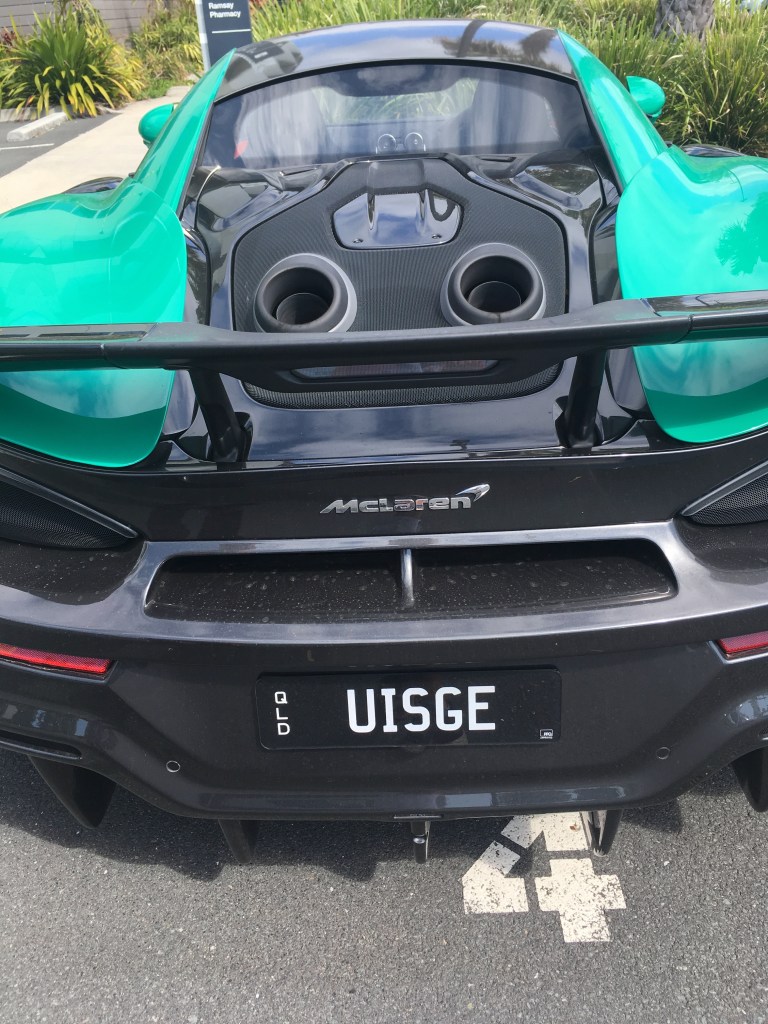
These two vehicles are two worlds apart, mismatched…incongruous. The truck we saw in Vietnam – a three wheeler that probably cost its owner a huge fortune but he had no choice as he needed it to earn the paltry salary that possibly fed not only his own family but his extended one. We would call it a rusted, worn out rattletrap that we wouldn’t give you tuppence for yet I’m sure it gives his owner status in his society.
The owner of this car already has status. He is a specialist at Sunshine Coast University Hospital and all I can say is there must be money in hearts because at a minimum this car sells for over $500,000. By percentage of salary it probably is the same as the truck owner in Vietnam – the only difference being one is essential and one is for fun.
We also have a new car which doesn’t give us any status but is an essential. We sold our two cars to buy this small SUV and feel justified as we got it for a very good price – half of what they are now selling for. You just have to be lucky and get in at the right moment. MG hasn’t had a presence in Australia so to introduce the car they made them a very good price, gave 7 years warranty and roadside service. At first we were lucky to see another one a week (not counting Doc Martin where the taxi is an MG) but now we see one at least every couple of days. It was essential for us as Roger was finding it difficult to get into either of our other cars having to throw himself in sideways and hoping for the best. This car has good height and is easy to get in and out of plus the dogs are in the back so we always have room for passengers without them having to sit on sand, and the wetness the dogs bring from the river.
Thanks Cee for Cee’s Fun Foto where you asked us to show anything about cars and trucks.
I began my working career as a reluctant potato peeler whilst waiting to commence my training as a student nurse. On completion I worked mainly in intensive care/coronary care; finishing my hospital career as clinical nurse educator in intensive care. A life changing period as a resort owner/manager on the island of Tanna in Vanuatu was followed by recovery time as a farmer at Bucca Wauka. Having discovered I was no farmer and vowing never again to own an animal bigger than myself I took on the Barrington General Store. Here we also ran a five star restaurant. Working the shop of a day 7am - 6pm followed by the restaurant until late was surprisingly more stressful than Tanna. On the sale we decided to retire and renovate our house with the help of a builder friend. Now believing we knew everything about building we set to constructing our own house. Just finished a coal mine decided to set up in our backyard. Definitely time to retire we moved to Queensland. I had been writing a manuscript for some time. In the desire to complete this I enrolled in a post grad certificate in creative Industries which I completed 2013. I followed this by doing a Master of Arts by research graduating in 2017. Now I live to write and write to live.


























 Reflections and Nightmares- Irene A Waters (writer and memoirist)