

Whaling became Australia’s first export business in the 1800s, initially catching southern white and sperm whales. When these became scarce, humpbacks became the target. The hunt was initially conducted from small boats, resembling large row boats, putting both man and whale at equal risk of injury. Steam-driven boats and harpoons replaced the small boats and spears, putting the whale at a great disadvantage. When whaling ceased on the Eastern seaboard whale numbers had decreased with estimates claiming numbers had dropped to approximately 100 humpback whales remaining. Thankfully their numbers have increased by around 10% per year and now whale numbers are around 8,000.
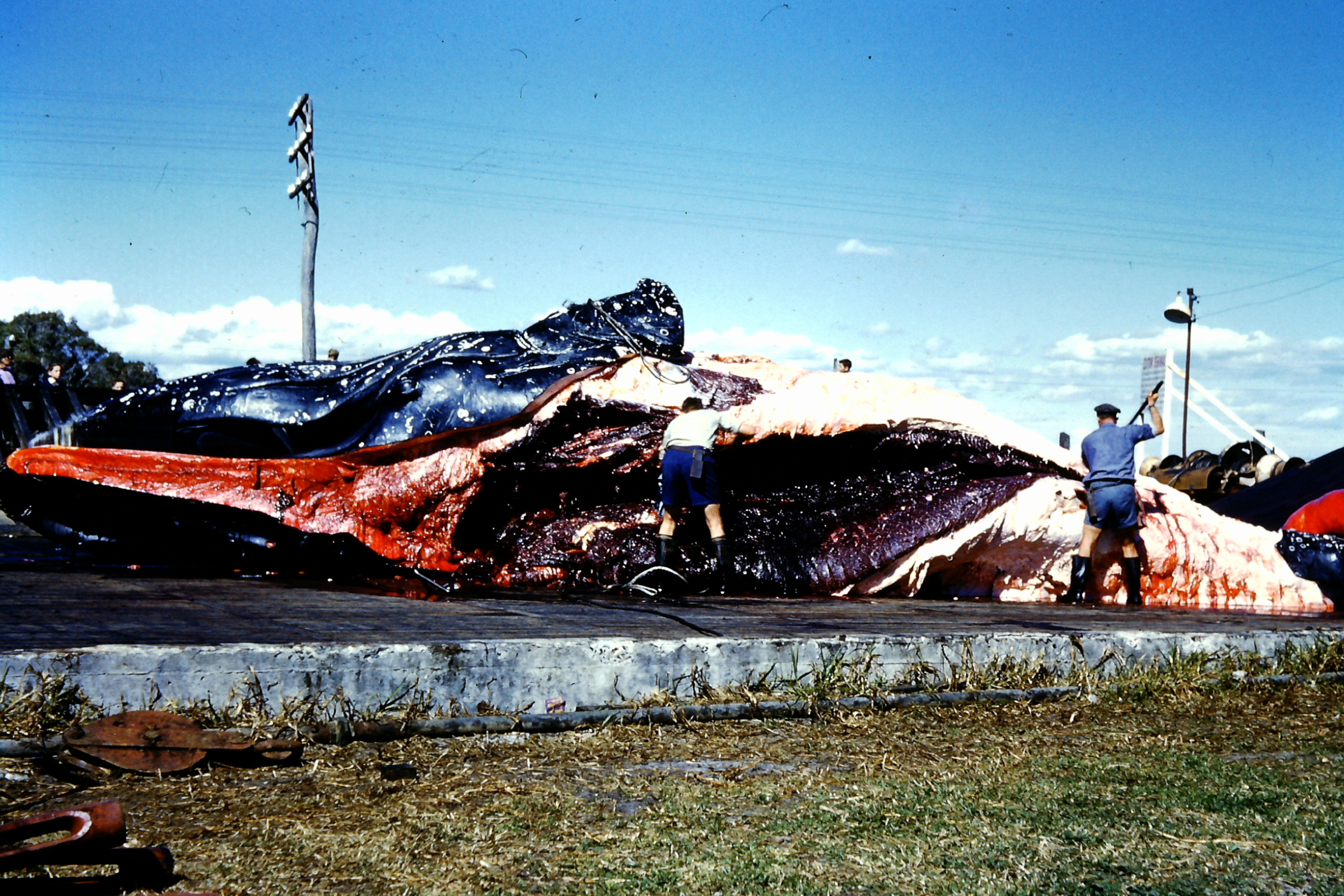
The whaling station at Byron Bay opened in 1954 and closed in 1962. During its time in operation the slaughter of 1,146 whales occurred, collecting around 10,000 tons of oil.

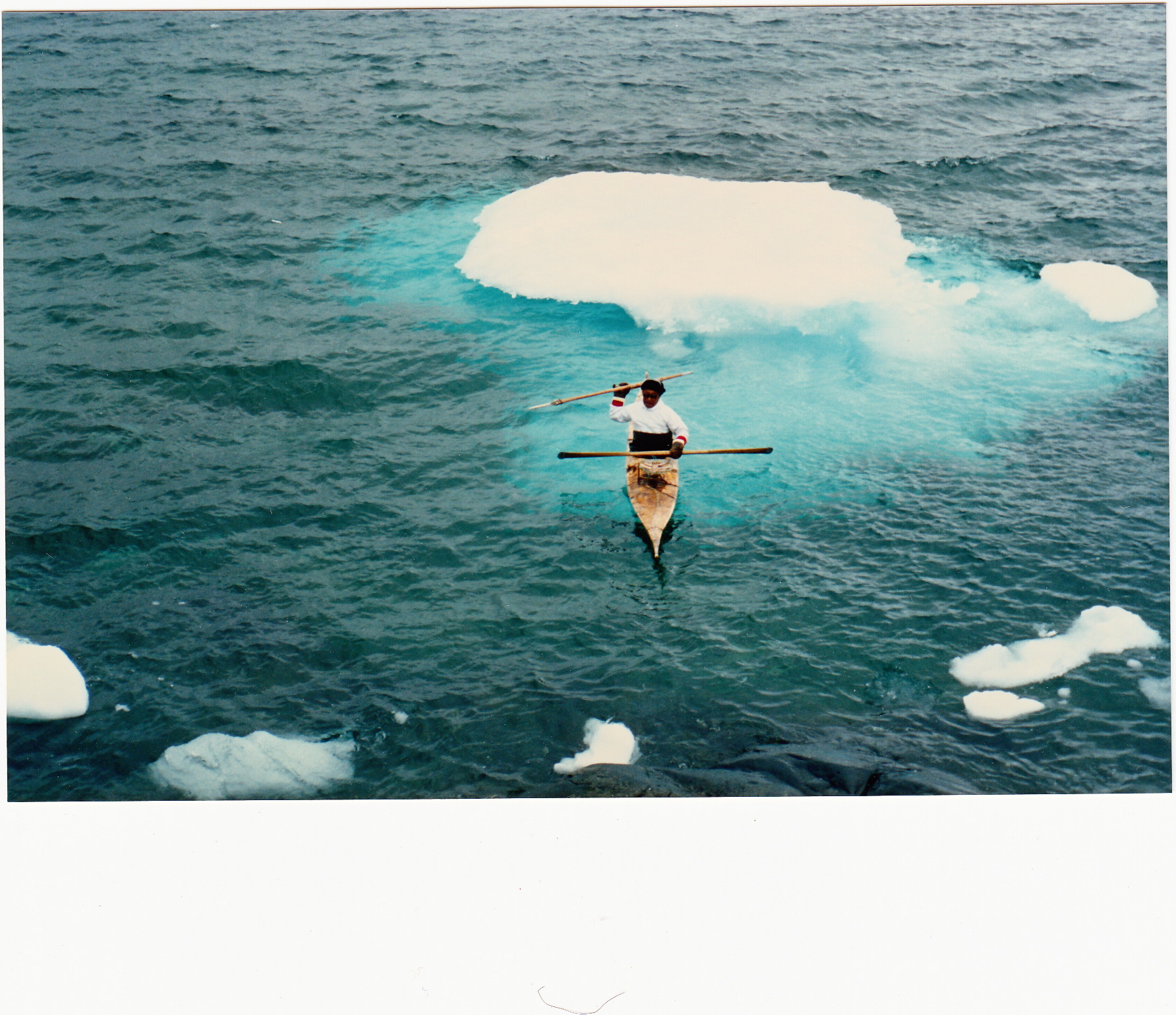

In Kulusuk, Greenland the Inuit catch whales as a source of food. Small boats are still used although I have no doubt that harpoons are available. The only fishing I observed whilst I was visiting was in small kayaks using a spear. Arriving in the small town of Kulusuk it was fascinating to see a carcass of a whale in the town square (village centre). It was lying on a macintosh with only a small amount of meat left. It had apparently been caught three days before and the village had feasted on it for three nights and the remains would be now fed to the dogs.
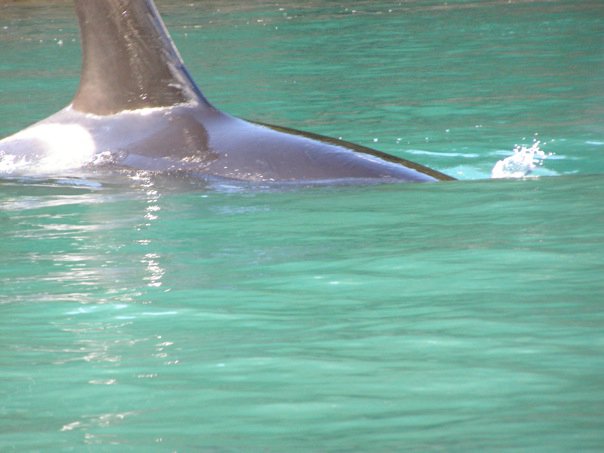
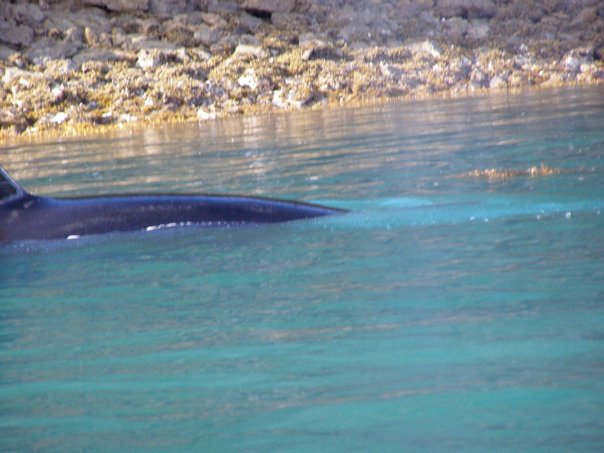
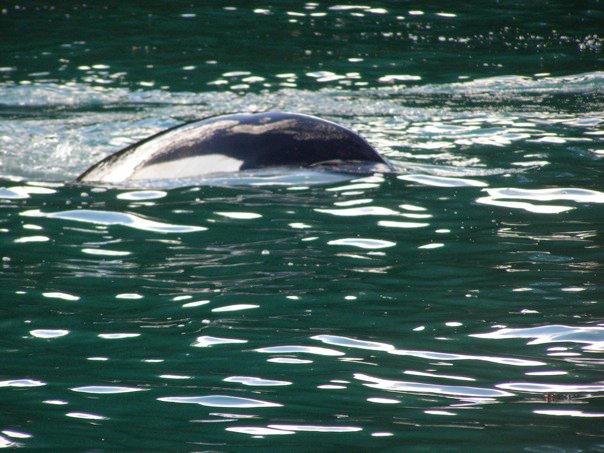
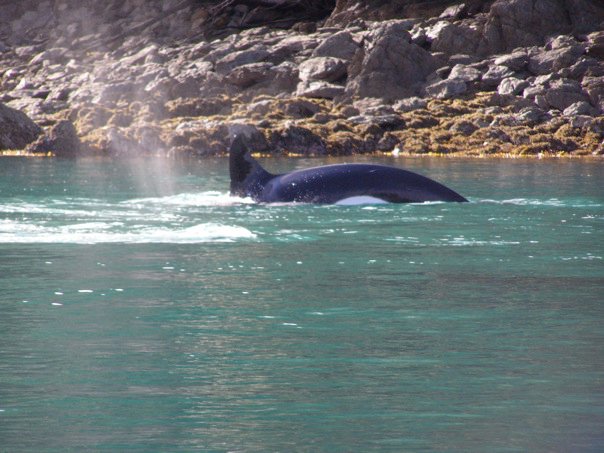
In thePelorous Sound, on our way to NW Bay in a small, old wooden-hulled diesel-fuelled fishing boat, the Penguin, we saw water spouts close-by. The killer whale family were more inquisitive about us and swam under and around the boat, delighting us with their antics. They were so close that I could reach over the side of the boat and touch them (if I’d wanted to). We stayed an hour watching them before we continued on our journey, thankful that Australia, at least, no longer harvests these fantastic creatures.