Throwback Thursday I return to the post that I made in August 2013 following the post of the six year old visiting the whaling station at Byron Bay. Here I look at a couple of other experiences of whales and also a brief history of the whaling station of my youth. For a real feel of whale hunting in the Southern Waters I would highly recommend Chasing the Light by Jessie Blackadder. About three women who are the first to travel to Antarctica in the 1930’s. Her descriptions of the landscape are superb and the factory ships for the whales are described so well you truly believe that you are there.

Whaling became Australia’s first export business in the 1800s, initially catching southern white and sperm whales. When these became scarce, humpbacks became the target. The hunt was initially conducted from small boats, resembling large row boats, putting both man and whale at equal risk of injury. Steam-driven boats and harpoons replaced the small boats and spears, putting the whale at a great disadvantage. When whaling ceased on the Eastern seaboard whale numbers had decreased with estimates claiming numbers had dropped to approximately 100 humpback whales remaining. Thankfully their numbers have increased by around 10% per year and now whale numbers are around 8,000.
The whaling station at Byron Bay opened in 1954 and closed in 1962. During its time in operation the slaughter of 1,146 whales occurred, collecting around 10,000 tons of oil.
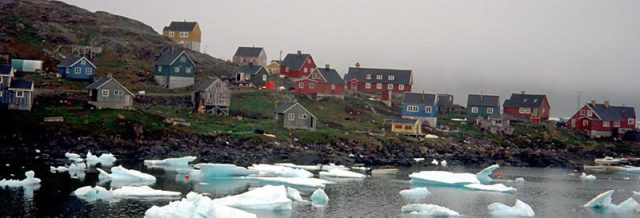
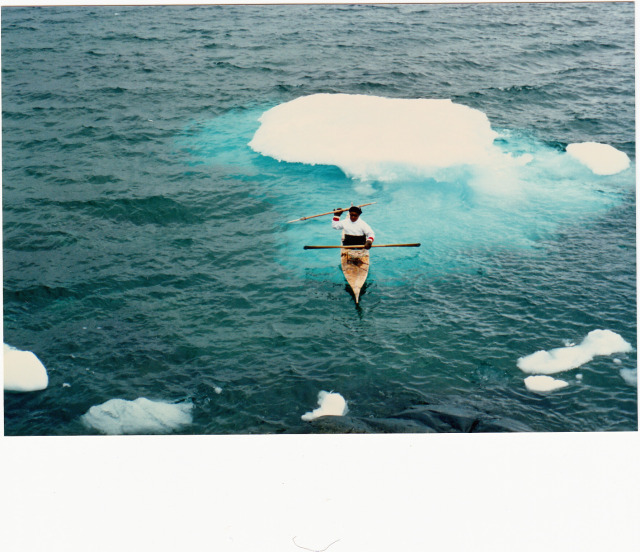

In Kulusuk, Greenland the Inuit catch whales as a source of food. Small boats are still used although I have no…
View original post 175 more words










 Reflections and Nightmares- Irene A Waters (writer and memoirist)